

Albufera Natural Park
In Valencia, Spain .
More places to visit in Valencia
Discover more attractions and things to do in Valencia.
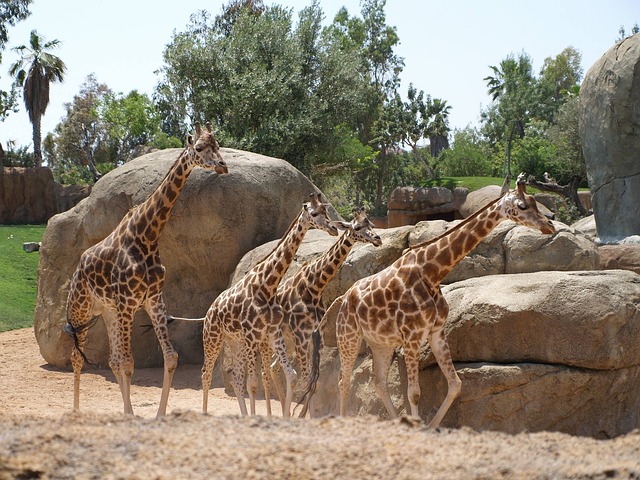
Bioparc Valencia
More than just a zoo, Bioparc Valencia is a revolutionary wildlife park that immerses visitors in the natural habitats of Africa. Unlike traditional zoos, there are no visible barriers between visitors and the animals. Instead, cleverly designed landscapes use rivers, rocks, and hidden ditches to create the illusion that animals roam freely. One of the park's highlights is the Baobab Forest, home to a large family of elephants, as well as the unique lemur island, where you can walk among playful lemurs. Bioparc is also dedicated to conservation and breeding programs for endangered species, making it a must-visit for nature lovers.
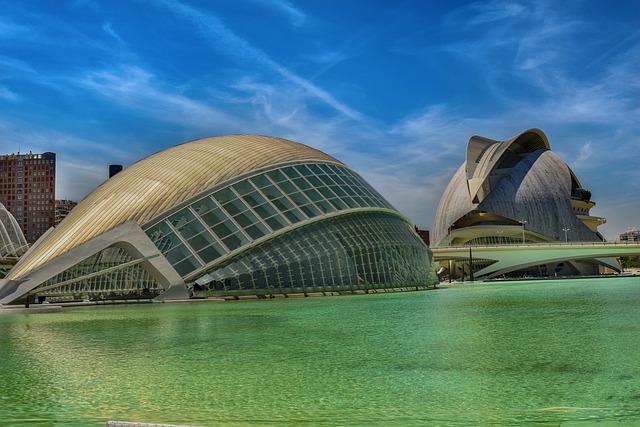
City of Arts and Sciences
The City of Arts and Sciences is one of the most iconic landmarks in Valencia, offering a stunning combination of futuristic architecture and cultural attractions. Designed by the renowned architect Santiago Calatrava , this massive complex is home to several incredible attractions, including the Hemisfèric , which features a state-of-the-art IMAX cinema and planetarium, and the Oceanogràfic , the largest aquarium in Europe. Visitors can also explore the Science Museum , where interactive exhibits make learning about science and technology an exciting experience for all ages. The breathtaking architecture, with its sleek white structures and reflecting pools, makes it a paradise for photographers and architecture enthusiasts. Whether you're fascinated by marine life, eager to experience immersive scientific exhibits, or simply want to admire one of Valencia's most beautiful sites, the City of Arts and Sciences is a must-visit destination.
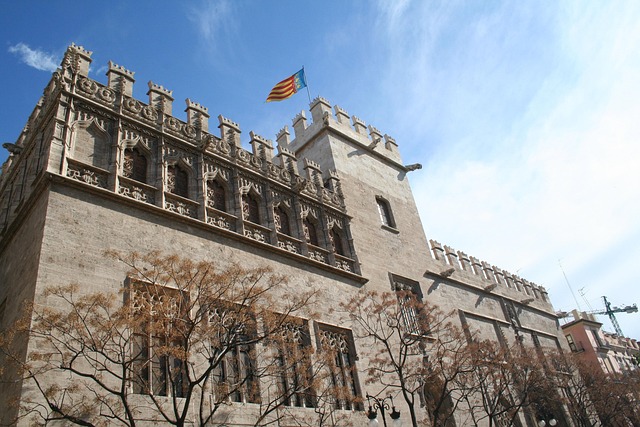
Lonja de la Seda
The Lonja de la Seda (Silk Exchange) is one of Valencia's most remarkable buildings, showcasing the city's golden era as a major trade hub in the 15th century. This UNESCO World Heritage Site was where merchants from all over Europe came to buy and sell silk, which was once Valencia's most prized export. The Gothic-style structure is famous for its twisting columns, which almost seem like they're growing out of the floor. One fascinating feature is the ceiling carvings —if you look closely, you'll see strange medieval symbols and hidden messages, some of which remain unsolved mysteries to this day. It's said that the floor in the main hall was deliberately designed with an optical illusion, making it look uneven to discourage dishonest traders from doing business. Visiting Lonja de la Seda is like stepping into a secret world of Valencia's rich commercial past.
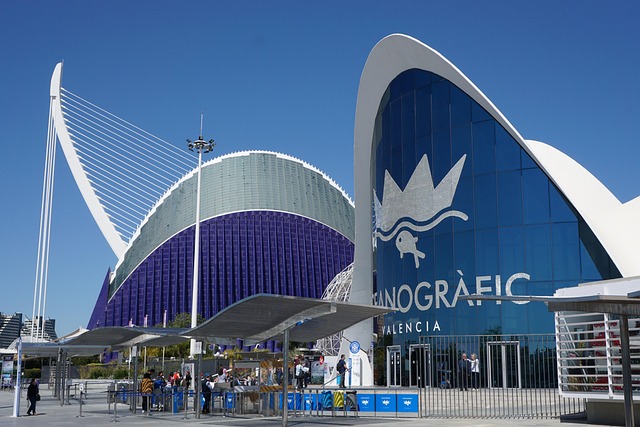
Oceanografic
The Oceanografic in Valencia is Europe's largest aquarium, home to more than 45,000 marine creatures from around the world. Designed by the renowned architect Félix Candela, its futuristic white structures are inspired by the shapes of the ocean. This aquarium is special because it houses species rarely found in other marine parks, including beluga whales and sunfish. One of the most fascinating sections is the Arctic dome, where you can observe a stunning underwater world beneath a frozen landscape. Oceanografic is also known for its largest underwater tunnel in Europe, where sharks and rays swim right above you. It's an unmissable experience for families, nature lovers, and anyone fascinated by the mysteries of the deep sea.
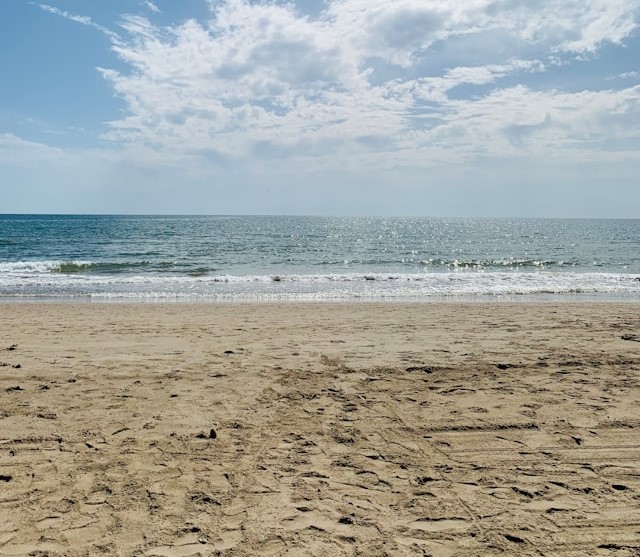
Playa de la Malvarrosa
The Playa de la Malvarrosa is Valencia's most famous urban beach, offering golden sand and clear Mediterranean waters. This beach is not just a place to sunbathe—it has a fascinating history. In the 19th century, it was a favorite retreat for artists and writers, including the famous Spanish novelist Vicente Blasco Ibáñez , who lived here and wrote many of his works while gazing at the sea. Today, visitors can explore his former home, now a museum. Malvarrosa Beach is also known for its lively promenade, lined with seafood restaurants serving the legendary paella , which originated in Valencia. Unlike many crowded Spanish beaches, Malvarrosa retains a local charm, making it a perfect spot to experience Valencia's coastal lifestyle.
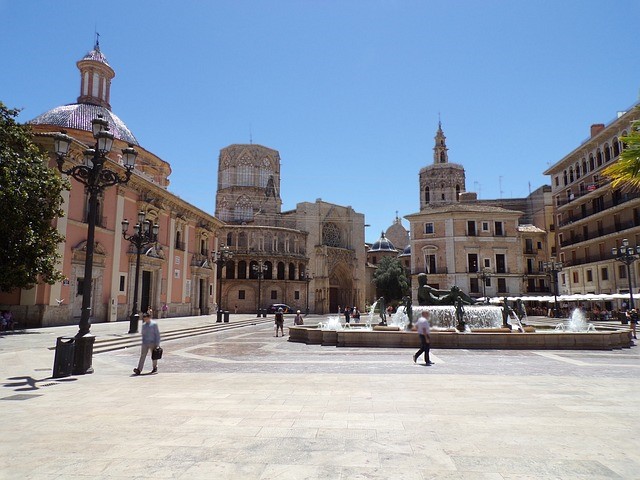
Plaza de la Virgen
The heart of Valencia's old town, Plaza de la Virgen , is a stunning square surrounded by some of the city's most important landmarks. What makes it special is its deep connection to history—it has been a central gathering place for over 2,000 years, dating back to the Roman Empire. The square is home to the Turia Fountain, symbolizing the old river that once flowed through Valencia. A little-known fact: If you visit during the annual Fallas Festival, you'll see locals placing thousands of flowers at the Basilica of the Virgin of the Forsaken in a breathtaking tribute. The plaza is also one of the best places to experience authentic Valencian horchata , a traditional tiger nut drink that has been enjoyed here for centuries.
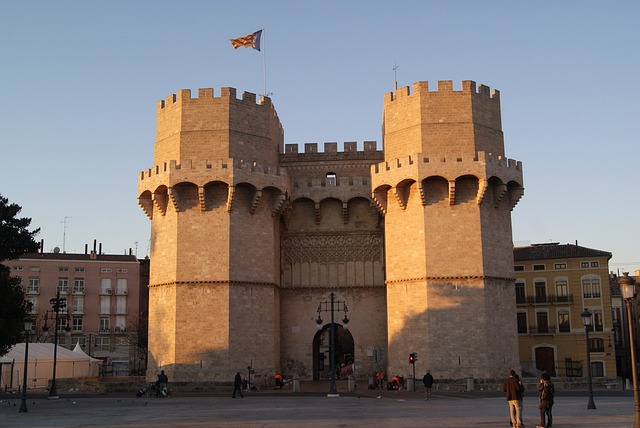
Torres de Serranos
The Torres de Serranos is one of Valencia's most iconic landmarks, standing as a majestic gateway to the old city. These 14th-century towers were originally built as part of Valencia's medieval defensive walls. A surprising fact: During the Spanish Civil War, these towers were used as a shelter for the national art treasures, including masterpieces from the Prado Museum in Madrid, to protect them from bombings. Climbing to the top rewards visitors with panoramic views of Valencia, offering a glimpse of both the historic and modern sides of the city. Today, the towers play a significant role in Valencia's famous Las Fallas Festival, where the city's annual celebrations officially begin with the symbolic handing over of the city keys at the Serranos Gate.
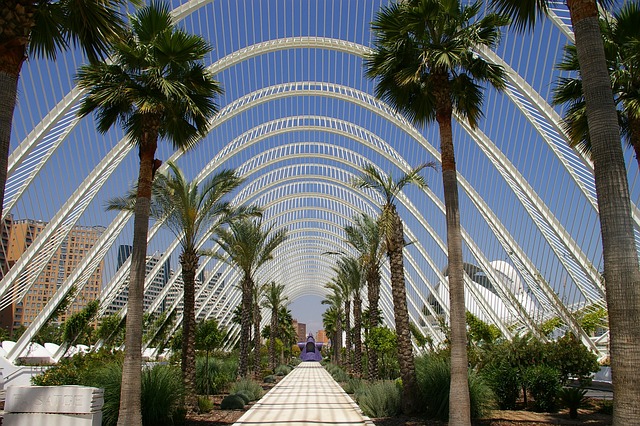
Turia Gardens
The Turia Gardens (Jardín del Turia) is one of the most extraordinary urban parks in Europe. What makes it so unique? It was once a river! After the Turia River caused a catastrophic flood in 1957, the government diverted its waters, leaving behind a dry riverbed. Instead of turning it into a highway, Valencia transformed it into a stunning 9-kilometer green space filled with bike trails, fountains, and lush gardens. Locals use the park daily for jogging, yoga, and cycling, making it a vital part of the city's lifestyle. One of its most iconic spots is the Gulliver Park , a playground where children can climb on a massive sculpture of Gulliver from Gulliver's Travels. It's a park where history, nature, and recreation come together in a truly magical way.
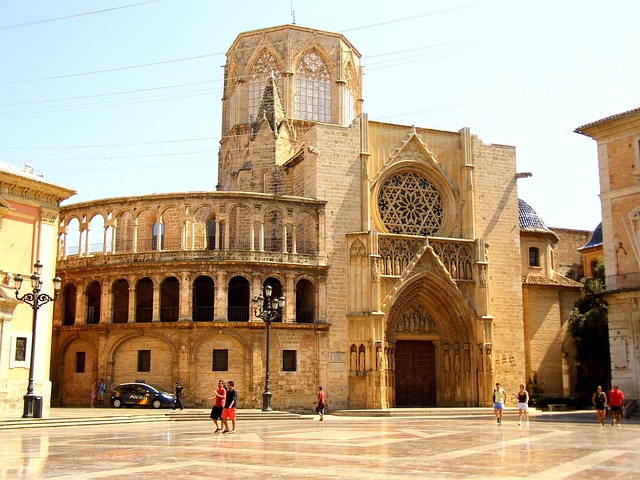
Valencia Cathedral
The magnificent Valencia Cathedral , also known as Catedral de Santa María , is a historical and architectural gem in the heart of the city. This stunning structure blends Gothic, Baroque, and Romanesque styles, reflecting the city's rich and diverse history. Inside, visitors can admire exquisite chapels, beautiful frescoes, and one of Spain's most treasured religious artifacts—the Holy Chalice , believed by some to be the actual Holy Grail . The cathedral's bell tower, known as El Miguelete , is one of its most famous features. Climbing the 207 steps to the top rewards visitors with breathtaking panoramic views of Valencia's historic center. Whether you're fascinated by history, architecture, or religious heritage, the Valencia Cathedral is an unmissable attraction that showcases the city's deep-rooted cultural legacy.