
City view of Valjevo, Serbia

Valjevo

Valjevo keeps its stories near the Gradac, a clear river that turns citizens into part-time naturalists every summer. The Tesnjar quarter curves in cobbles and low roofs where merchants once balanced ledgers and now balance coffee cups and almond pastries. The regional museum showcases minerals that glitter with unapologetic theater, collected from mountains that also supply veal baked slowly under iron bells. Trails lead to pools cold enough to rearrange priorities. A house museum remembers a doctor who refused to leave during epidemic years, a moral compass that still points steady. Wine bars pour small-production bottles while discussing weather patterns and oak barrels like relatives. An odd delight is the annual race of tiny homemade boats, serious only in the best way. Valjevo teaches a quiet formula: clear water, patient kitchens, good boots, and time measured in conversations that do not check their phones.

Top attractions & things to do in Valjevo

If you’re searching for the best things to do in Valjevo, this guide brings together the top attractions and must-see places to visit in Valjevo. The top picks below highlight the most visited sights for first-time visitors, plus a few local favorites worth adding.

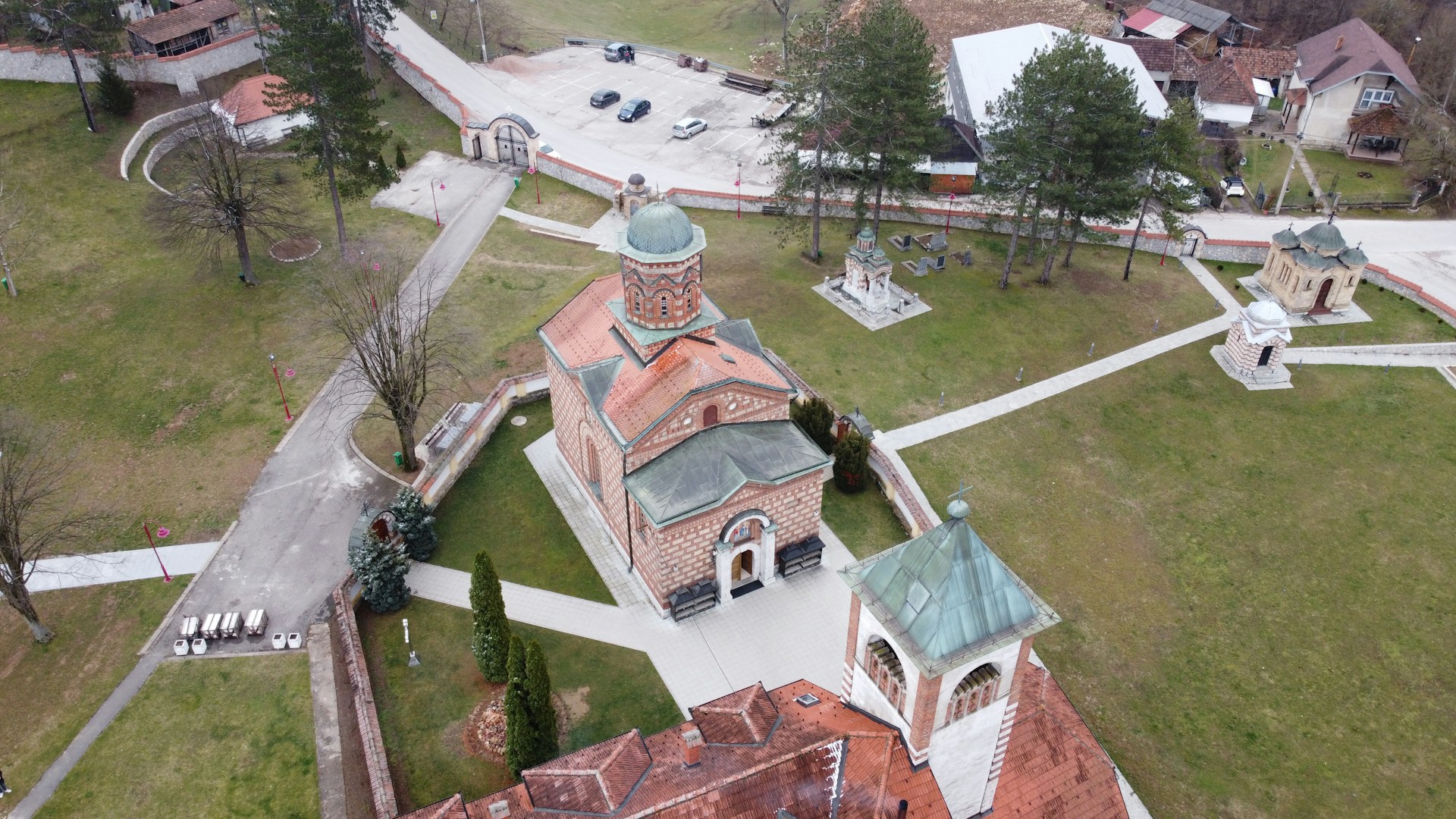
Brankovina Heritage Complex in Valjevo, Serbia

Brankovina Heritage Complex

A lane of lindens ushers you into meadows where wooden porches face orchards and history arrives at a human pace. This is the ancestral ground of the Nenadovic family and the church of the Holy Archangels completed in 1830 gathers the village into a clear focal point. In the school built around 1833 benches and primers still wait for visitors who want to imagine lessons under winter light. The voice of poet Desanka Maksimovic seems to hover over the grass because her childhood and verses made Brankovina an address in national memory. Exhibits connect Prota Mateja Nenadovic to letters and charters that mapped new institutions and the cemetery speaks quietly through carved crosses softened by time. Nothing here is grand and that is the virtue the place argues for dignity measured in care not in scale. You leave with the sense that heritage can be a household kept open to thoughtful guests.
Ads place
Ads place
Ads place
Ads place
Ads place
Gradac River Canyon in Valjevo, Serbia

Gradac River Canyon

A clear river slips through limestone and the city forgets its noise within a few bends while willows mark the path like gentle signposts. Footbridges hop across pools and trout hold their place where the current wrinkles over pale stone. The gorge explains karst logic in practical terms caves above springs below and a mosaic of habitats that guard biodiversity. Old mills from the 19th century stand beside ruined weirs and the sound of water keeps steady time. Upstream the presence of Celije Monastery adds a contemplative note and hikers pace past chapels with the respectful quiet that outdoors often teaches. Rangers favor light touch management and the river answers with limestone clarity after rain. Families swim in summer and in autumn the banks turn copper and gold then the canyon practices a slower voice that suits long thoughts. The lesson is simple patient walking makes the landscape speak.
Ads place
Ads place
Ads place
Ads place
Ads place
National Museum of Valjevo in Valjevo, Serbia

National Museum of Valjevo

Galleries move from prehistoric tools to modern documents with the confidence of a careful editor who likes evidence more than ornament. The institution dates to 1951 and its anchors include collections on the Kolubara front of 1914 where maps letters and rifles sketch the early war with unblinking honesty. Earlier rooms unfold Roman traces and medieval trade then pivot to city growth under crafts and printing when households learned new rhythms. Curators pair ethnography with portraits so fabrics talk to faces and policy finds a human scale. Temporary shows invite contemporary artists to challenge the archive which keeps the building alert rather than reverent. Labels are concise and the light falls where it should making even small objects carry generous weight. You step outside with dates arranged and a refreshed sense that a museum works best when it treats memory as a shared civic task.
Ads place
Ads place
Ads place
Ads place
Ads place
Nenadovic Tower in Valjevo, Serbia

Nenadovic Tower

A steep path rises to a compact tower of rough stone that once guarded the town and its restless ambitions. Built in the turbulent years around the First Serbian Uprising the structure is linked to Jakov Nenadovic and the wider circle of Aleksa Nenadovic whose fate set tempers for revolt. Inside rooms stored weapons and grain and the walls learned to listen for messengers more than for prayer. Guides frame the politics of 1804 with clarity and the name of Karadjordje surfaces as naturally as the river below. Later patrols under the Ottoman administration left tool marks that sit beside rebel repairs so the masonry reads like a truce written in stone. From the parapet you follow roofs toward fields and understand why a small tower could influence a wide map. The building survives as a school in perspective a reminder that courage is logistics first and legend second.
Ads place
Ads place
Ads place
Ads place
Ads place
Tesnjar Old Bazaar in Valjevo, Serbia

Tesnjar Old Bazaar

Cobblestones narrow into a ribbon of porches and timber balconies where the city still negotiates between work and leisure with easy manners. Houses lean close as if to keep secrets from river wind and shop signs remember an era when a pictogram sold more reliably than a slogan. The quarter took its present shape in the 19th century while habits from the Ottoman market town lingered in courtyards and arcades. You can still read the presence of craft guilds in door widths and storage lofts and the nearby Kolubara set the tempo for deliveries. Later facades borrowed Secession flourishes yet the scale remained domestic and kind so bakeries and bookshops feel inevitable rather than curated. Old photographs after World War I show repairs carried out with steady hands which explains why the street looks practiced more than preserved. Evening adds music and the stones keep a low warm memory of footsteps that never quite hurry.
Ads place
Ads place
Ads place
Ads place
Ads place