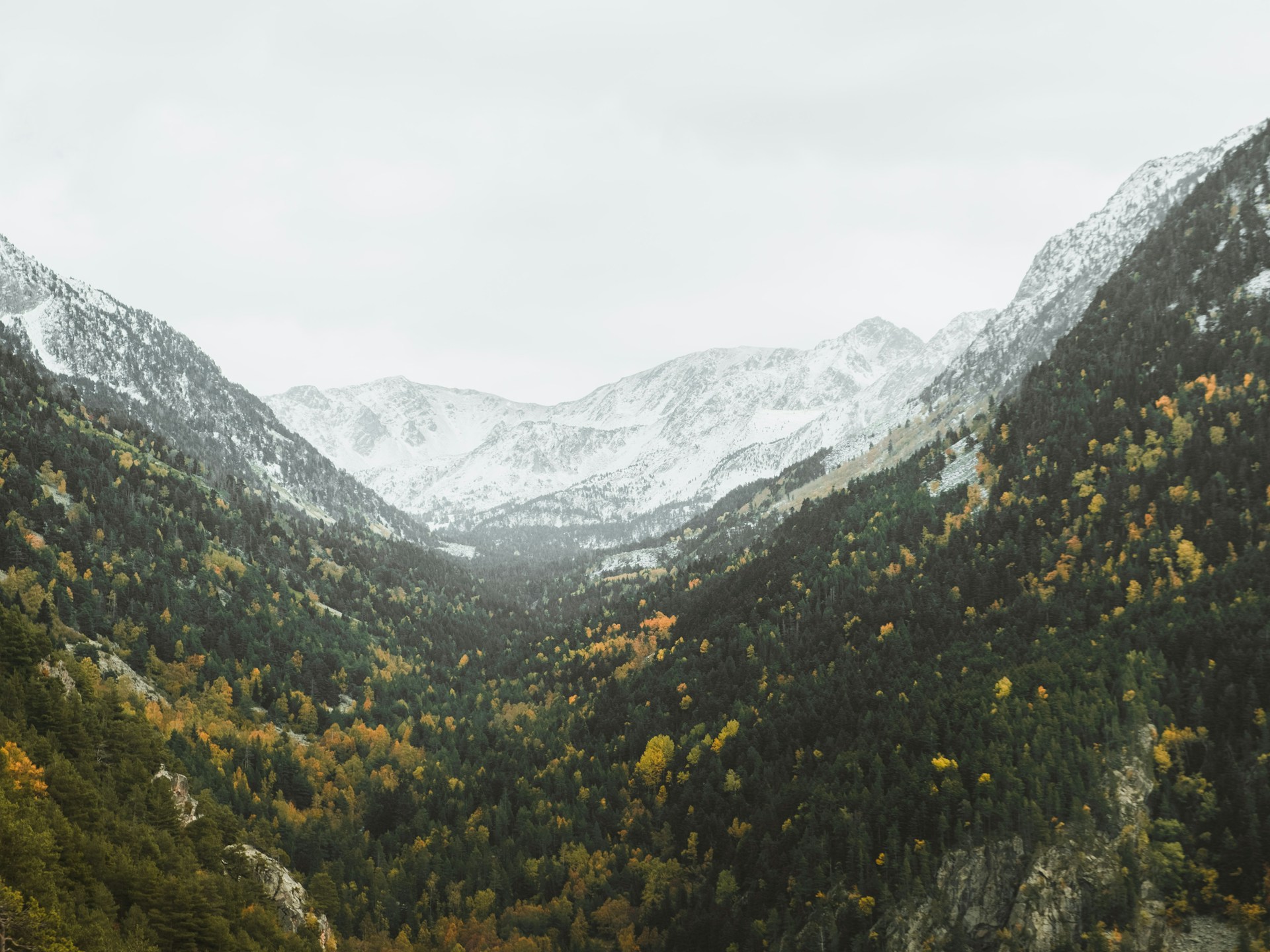

City view of Vall del Madriu-Perafita-Claror, Andorra

Vall del Madriu-Perafita-Claror

The Vall del Madriu-Perafita-Claror is a stunning glacial valley located in the southeastern part of Andorra, recognized as a UNESCO World Heritage Site for its cultural landscape. Covering approximately 4,247 hectares, this remote and pristine area represents 9% of the country's total surface and is often referred to as Andorra's "spiritual heart." The valley is a treasure trove of natural beauty, featuring rugged mountains, glacial cirques, high-altitude meadows, and dense forests. It also has a rich cultural heritage, with centuries-old shepherds' huts, dry stone walls, and ancient iron mines that speak to the traditional pastoral way of life.

Top attractions & things to do in Vall del Madriu-Perafita-Claror

If you’re searching for the best things to do in Vall del Madriu-Perafita-Claror, this guide brings together the top attractions and must-see places to visit in Vall del Madriu-Perafita-Claror. The top picks below highlight the most visited sights for first-time visitors, plus a few local favorites worth adding.

Estany de la Nou Lake in Vall del Madriu-Perafita-Claror, Andorra

Estany de la Nou Lake

Estany de la Nou is a stunning glacial lake located in the Vall del Madriu-Perafita-Claror, surrounded by rugged peaks and alpine meadows. The lake is a popular destination for hikers and nature lovers, offering a peaceful spot to relax and enjoy the natural beauty of the valley. The hike to the lake is moderately challenging, but the crystal-clear waters and serene environment make it well worth the effort. Estany de la Nou is also a great spot for picnicking, photography, and wildlife observation, as the surrounding area is home to a variety of bird species and other wildlife. The lake's pristine condition and remote location make it a true hidden gem in the Andorran Pyrenees. Ecological wonder: The lake waters remain at 4°C year-round, creating unique microhabitats for cold-adapted algae. Ice core samples revealed 17th-century pollen preserved in lake sediments, showing historical forest composition.
Ads place
Ads place
Ads place
Ads place
Ads place
Exploring Historical Cabins in Vall del Madriu-Perafita-Claror, Andorra

Exploring Historical Cabins

The Vall del Madriu-Perafita-Claror is dotted with traditional stone cabins, known as "bordes", which were historically used by shepherds and farmers. These cabins offer a glimpse into the traditional way of life in the Pyrenees and are an integral part of the valley's cultural heritage. Some of the cabins have been restored and are still used by shepherds during the summer grazing season, while others serve as rustic shelters for hikers. Exploring these cabins provides insight into the valley's past, where agriculture and pastoralism were central to the local economy. Visitors can also learn about the traditional methods of building and maintaining these structures, which are designed to withstand the harsh mountain environment. Construction secret: The dry-stone walls use interlocking quartzite slabs without mortar. Several bories contain medieval bread ovens with unique smoke channels carved into bedrock.
Ads place
Ads place
Ads place
Ads place
Ads place
Hiking in the Madriu Valley in Vall del Madriu-Perafita-Claror, Andorra

Hiking in the Madriu Valley

Hiking is the most popular activity in the Vall del Madriu-Perafita-Claror, with the valley offering a network of well-marked trails that wind through some of the most beautiful landscapes in Andorra. The trails vary in difficulty, making them accessible to both casual walkers and experienced hikers. One of the most popular routes is the GR11, a long-distance trail that traverses the Pyrenees, passing through the valley's high-altitude meadows, dense forests, and rocky outcrops. Along the way, hikers can enjoy panoramic views of the surrounding mountains and encounter a variety of wildlife, including chamois, marmots, and golden eagles. The valley's unspoiled nature and tranquil atmosphere make it a perfect destination for those seeking to connect with the natural world. Hidden fact: The valley contains 26 glacial cirques - more than any other Pyrenean region. Ancient Roman paving stones were discovered beneath a section of the GR11 trail, evidence of a forgotten trade route.
Ads place
Ads place
Ads place
Ads place
Ads place
Pic de Perafita in Vall del Madriu-Perafita-Claror, Andorra

Pic de Perafita

Pic de Perafita is one of the highest peaks in the Vall del Madriu-Perafita-Claror, standing at 2,752 meters. Climbing this peak is a challenging but rewarding experience, offering breathtaking views of the entire valley and beyond. The ascent is steep and requires a good level of fitness, but the effort is well worth it for the stunning scenery at the summit. On clear days, hikers can see as far as the Mediterranean Sea. The route to the summit passes through alpine meadows, past glacial lakes, and over rocky ridges, showcasing the valley's diverse landscapes. Pic de Perafita is a must-do for experienced hikers looking for an adventurous and memorable climb. Geological marvel: The peak's distinctive serpentine rock contains 400-million-year-old marine fossils. Summit explorers often find remnants of a WWII weather station used by Allied forces to monitor Pyrenean conditions.
Ads place
Ads place
Ads place
Ads place
Ads place
Ramio Village Ruins in Vall del Madriu-Perafita-Claror, Andorra

Ramio Village Ruins

The ruins of Ramio Village, located within the Vall del Madriu-Perafita-Claror, offer a fascinating glimpse into Andorra's rural past. The village was once a thriving agricultural community, but it was gradually abandoned as people moved to more accessible areas. Today, visitors can explore the remains of stone houses, barns, and terraced fields that once supported the village's residents. The ruins are a poignant reminder of the challenges faced by those who lived and worked in this remote valley. Interpretive signs provide information about the history and daily life of the villagers, making it an educational and thought-provoking stop for hikers exploring the valley. Archaeological discovery: Excavations uncovered iron-age ploughshares beneath later medieval tools. The last resident, a 92-year-old shepherdess, left in 1963 - her restored cottage now serves as an interpretive center.
Ads place
Ads place
Ads place
Ads place
Ads place