
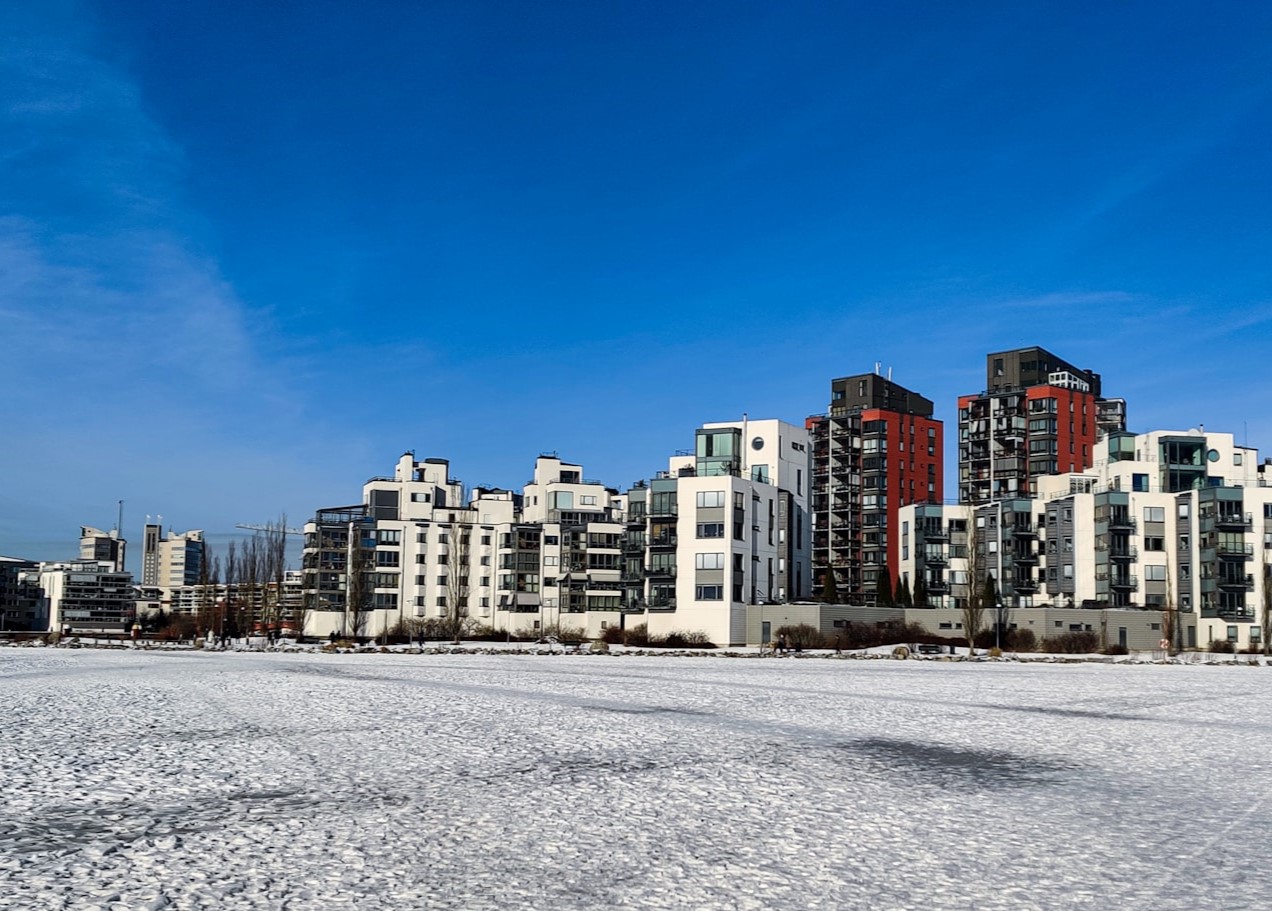
City view of Vasteras, Sweden

Vasteras

Vasteras blends lakefront paths with deep layers of history, including the 1527 parliament where Sweden pivoted toward the Reformation. Anundshog's great burial mound rises on the edge of town, paired with stone settings shaped like ships. Downtown, a converted steam power plant hosts Kokpunkten, a water park whose slides twist above brick arches. Try cucumber pickles, a local pride, then order perch with browned butter at a harbor bistro. The ASEA and later ABB legacy appears in handsome brick offices and tidy housing blocks. Boats nose from the marina toward islands on Lake Malaren. The Steam Hotel, a refitted power station by the harbor, adds rooftop views and retro gauges everywhere. Local guides whisper about a small experimental sub once tested on Malaren, with fragments said to survive in a harbor workshop.

Top attractions & things to do in Vasteras

If you’re searching for the best things to do in Vasteras, this guide brings together the top attractions and must-see places to visit in Vasteras. The top picks below highlight the most visited sights for first-time visitors, plus a few local favorites worth adding.

Anundshog Burial Mound in Vasteras, Sweden

Anundshog Burial Mound

Just east of the city, the landscape opens into low fields and a single great mound at Anundshog that quietly outranks the modern skyline. The burial mound itself is about 9 meters high and roughly 64 meters across at the base, often described as one of Sweden's largest. Around it stand ship settings of upright stones, some arranged in pairs that point toward the old road and the line of the rising sun. A famous granite block carries runestones from the Viking Age linked to the ruler Anund, whose name still echoes in the site. Information boards sketch out how funeral rites, assembly meetings, and travel routes may all have overlapped on this ridge above the river. On a quiet evening you mostly hear wind in the grass and the soft hum of distant traffic. Anundshog rewards simple rituals such as walking the ring, counting stones, and noticing how the mound changes color as clouds pass over the open sky.
Ads place
Ads place
Ads place
Ads place
Ads place
Kokpunkten Actionbad in Vasteras, Sweden

Kokpunkten Actionbad

On the lakeshore beside the old harbour, Kokpunkten turns a decommissioned brick power station into an indoor adventure that still respects its industrial bones. The former steam power plant from 1917 kept its tall chimney and heavy steel beams, and today water slides thread through the old turbine hall under moody lighting. Branding calls it Kokpunkten, a nod to the boiling point, and the park climbs through about 8 floors of pools, chutes, and lookout decks facing Lake Malaren. Digital projections and timed light effects make night sessions feel almost like a concert where the main act is gravity and warm water. From certain corners you can still see original gauges and brick details that quietly explain what the building once did for Vasteras. Families drift toward the wave pool while others test the high speed capsule drop that counts down in your ear. After a few hours you step back outside past the preserved facade and the power station reads as a clever reminder that heavy infrastructure can find a second life.
Ads place
Ads place
Ads place
Ads place
Ads place
Kyrkbacken Old Quarter and River Walk in Vasteras, Sweden

Kyrkbacken Old Quarter and River Walk

Steps from the cathedral, the lanes of Kyrkbacken show a different Vasteras, one built in timber and time rather than brick towers and shopping malls. This hillside quarter of wooden houses survived the city fire of 1714 better than many other districts, and most facades you see today stem from the 18th century with their painted panels, tiny yards, and lean to sheds. The name Kyrkbacken literally means the church hill and you feel the slope under your feet as alleys twist between ocher and red walls. Some homes still carry discreet signs noting former residents such as craftspeople and small traders, a reminder that this was once a tight working neighborhood. From the lower edge you can slip onto the riverside path along Svartan, where benches and footbridges give calm views back toward the castle island. Evening walks are especially pleasant when windows light up and the quarter feels like a film set that has forgotten about cameras. Take it slowly and let the creak of steps and the smell of wood smoke do the storytelling.
Ads place
Ads place
Ads place
Ads place
Ads place
Vallby Open Air Museum in Vasteras, Sweden

Vallby Open Air Museum

Just north of the center, Vallby Open Air Museum gathers farmhouses, workshops, and town buildings from across Vastmanland so you can walk a whole region in an afternoon. The museum was founded in 1921 and now includes more than 50 historic structures, from timber cottages with sod roofs to a handsome small town square lined with wooden shops. Costumed staff bake crispbread, forge iron, and tend heritage breeds such as Gotland sheep and old Swedish Red cattle, explaining how farming and trade shaped everyday life long before logistics hubs and motorways. Children usually head first to the petting pens and the hillside playground while adults linger over details like painted wall stencils and beehives made of straw. Seasonal events introduce midsummer poles, harvest markets, and Christmas fairs without turning the site into a theme park. On a quiet weekday you might share the lanes mainly with roosters and local dog walkers. Vallby shows how Vasteras grew out of its countryside, and how those rural skills still pulse gently under a modern industrial city.
Ads place
Ads place
Ads place
Ads place
Ads place
Vasteras Cathedral in Vasteras, Sweden

Vasteras Cathedral

Step into the heart of the city and you soon see how the tall brick tower of Vasteras Cathedral has acted as a landmark for traders, pilgrims, and students. The church grew from a simple stone nave in the 1270s into a spacious Gothic interior shaped by merchants who funded side chapels when Lake Malaren traffic was booming. Inside, the painted wooden ceiling above the choir and the carved pulpit associated with Bishop Johannes Rudbeckius give the space an almost academic confidence. The tower rises to around 93 meters and its bells still measure the day for the surrounding streets. Look for the brass memorial of humanist Olaus Rudbeck, whose work on Swedish history once stirred bold national myths. Stained glass windows from the early twentieth century add softer color without drowning the older stone in decoration. Outside, the churchyard trees and low walls turn this part of Vasteras into a calm room in the open air, a place locals naturally choose when they need a quiet pause between errands.
Ads place
Ads place
Ads place
Ads place
Ads place