
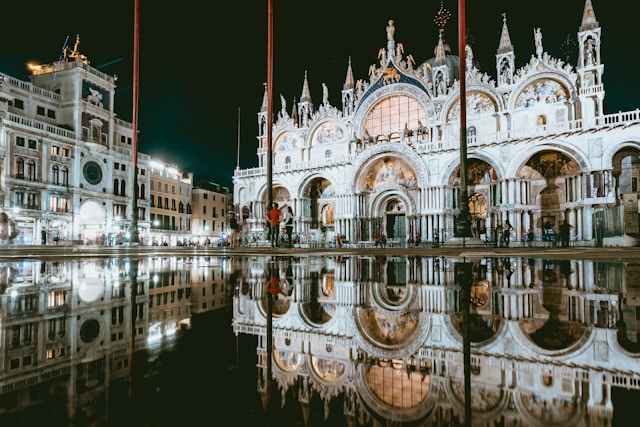
St. Mark's Basilica
In Venice, Italy .
More places to visit in Venice
Discover more attractions and things to do in Venice.
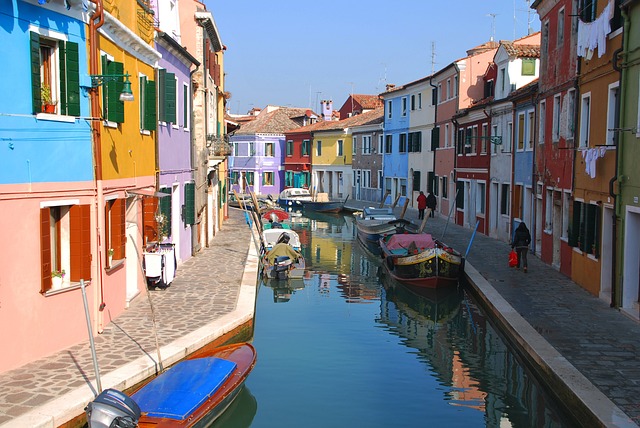
Burano Island
Burano Island, famous for its brightly colored houses and lace-making tradition , is a charming destination in the Venetian Lagoon. Each house on the island is painted in vivid hues, creating a picturesque setting that delights photographers and visitors. Burano is also known for its artisanal lace, a craft that has been practiced on the island for centuries. Visitors can learn about this tradition at the Museo del Merletto , or Lace Museum, and browse local shops for handmade lace items. The island's tranquil atmosphere, combined with its vibrant scenery and cultural heritage, makes Burano a delightful escape from the bustling streets of Venice. An interesting tidbit: the colorful house tradition began so fishermen could identify their homes through the fog. The island's leaning bell tower (noticeably more tilted than Pisa's) was deliberately built this way as a precaution against earthquakes.
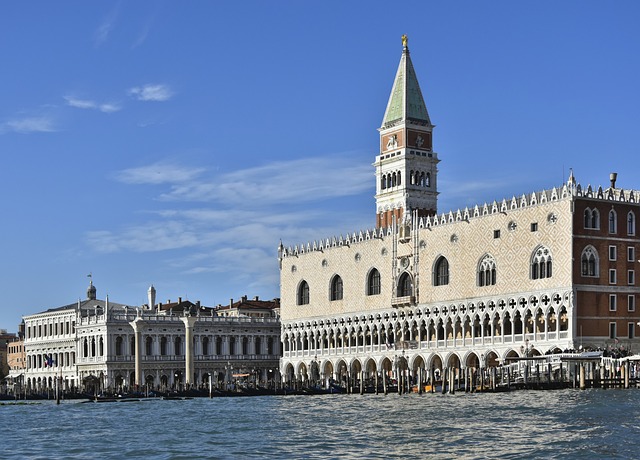
Doge's Palace
The Doge's Palace, located next to St. Mark's Basilica, is a magnificent Gothic masterpiece that served as the residence of the Doge , the ruler of Venice. This grand palace is a symbol of Venetian power and political history. Visitors can explore the opulent rooms adorned with stunning frescoes , intricate woodwork, and elaborate tapestries. The Hall of the Great Council is particularly awe-inspiring, showcasing Tintoretto's massive painting, 'Paradise.' The palace also houses the Bridge of Sighs , connecting it to the prisons, which offers a glimpse into Venice's judicial past. Guided tours reveal the fascinating stories of intrigue and governance that shaped the Venetian Republic. The Doge's Palace is a must-visit for anyone interested in history, art, and architecture. A little-known fact: hidden within the palace is a 'secret' chamber called the Chamber of the Tormento where interrogations were conducted. The palace also contains a narrow escape route used by Doge Faliero when he fled a mob during a 14th-century uprising.
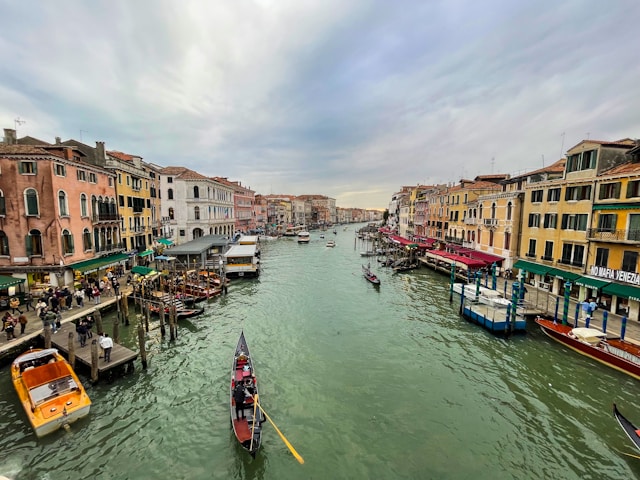
Grand Canal
The Grand Canal is the lifeline of Venice, winding its way through the city and offering a unique perspective on its beauty and history. Lined with stunning palaces , churches, and historic buildings, the canal is a testament to Venice's architectural and cultural richness. Visitors can experience the Grand Canal by taking a gondola ride or boarding a vaporetto , the city's water bus. Along the way, iconic landmarks such as the Rialto Bridge, Ca' d'Oro , and Santa Maria della Salute come into view. The Grand Canal is particularly enchanting at sunset, when the golden light reflects off the water and illuminates the city. A journey along the Grand Canal is a quintessential Venetian experience that leaves lasting memories. An obscure fact: the canal's distinctive S-shape follows the course of an ancient river that flowed here before Venice existed. During special events, temporary floating islands are created in the canal using submerged boats as foundations.
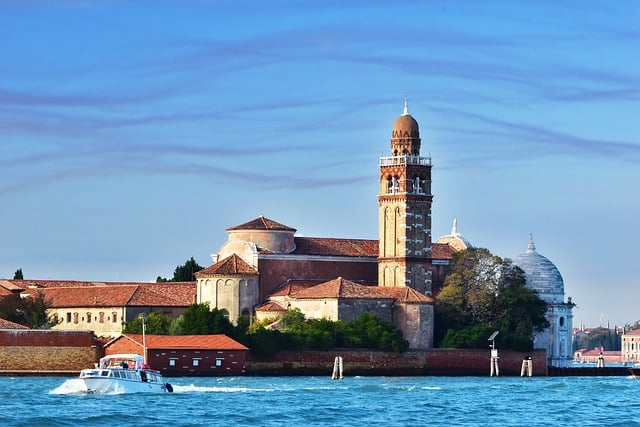
Murano Island
Murano Island, located a short boat ride from Venice, is renowned worldwide for its centuries-old tradition of glassmaking . This charming island is home to numerous glass workshops and boutiques where visitors can watch skilled artisans craft intricate glass pieces. The Museo del Vetro , or Glass Museum, showcases the history and artistry of Murano glass, featuring exquisite examples of glasswork from various eras. The island also boasts picturesque canals, colorful houses, and beautiful churches like Santa Maria e San Donato , known for its stunning mosaics. Murano offers a delightful mix of culture, craftsmanship, and scenic beauty, making it a perfect day trip destination from Venice. A little-known fact: glassmakers were essentially prisoners of the state until the 18th century - leaving Murano without permission was punishable by death. The church of San Donato contains bones of a dragon slain by the saint, according to local legend.
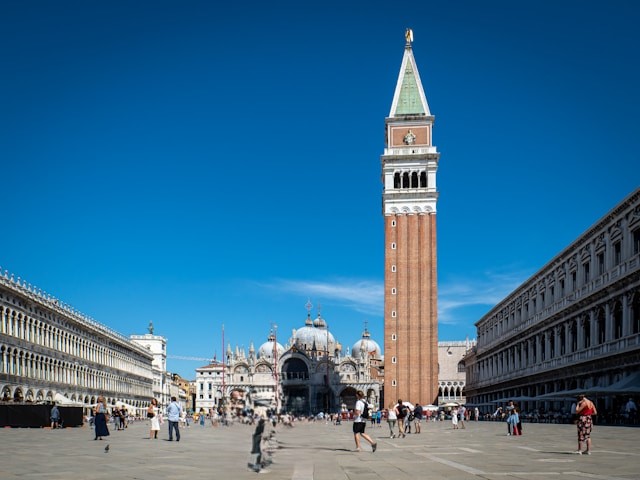
Piazza San Marco
Piazza San Marco, often referred to as St. Mark's Square, is the beating heart of Venice and one of the most iconic public squares in the world. Surrounded by grand architectural masterpieces such as St. Mark's Basilica , the Doge's Palace , and the Campanile , the square offers visitors a feast for the eyes. Its expansive open space is a hub of activity, with cafes, street performers, and the ever-present flocks of pigeons adding to its charm. Known as 'the drawing room of Europe,' this historic square has been a place of gathering and celebration for centuries. At sunrise, the light dances on the square's stone tiles, and at high tide, it transforms into a magical reflecting pool. Whether you're sipping a coffee at Caffè Florian or simply soaking in the ambiance, Piazza San Marco is an unforgettable experience that encapsulates the essence of Venice. Few visitors notice the square's slight slope - designed to help drain acqua alta floodwaters. The pavement pattern includes alignment marks used for ceremonial processions dating back to the 12th century.
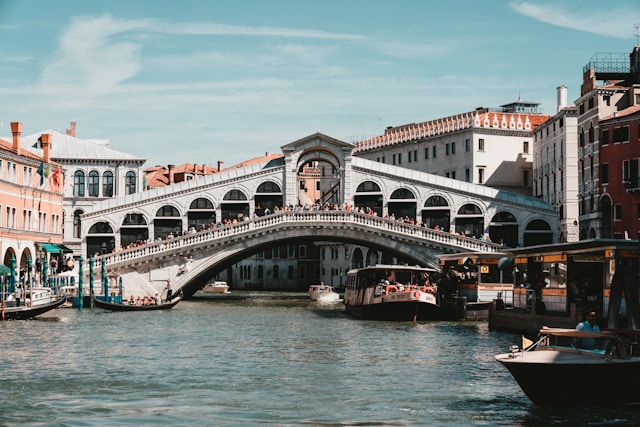
Rialto Bridge
The Rialto Bridge is one of Venice's most famous landmarks and a symbol of the city's rich history and commerce. Spanning the Grand Canal , this elegant stone bridge was completed in the late 16th century and has since been a bustling hub for traders and visitors alike. Its distinctive design features a central portico lined with shops selling jewelry, souvenirs, and local crafts. Walking across the bridge provides breathtaking views of the Grand Canal, with its gondolas and charming buildings. The bridge's history and architectural significance make it a must-see attraction for visitors exploring Venice. Whether you're taking photos, shopping, or simply enjoying the view, the Rialto Bridge offers an unforgettable Venetian experience. Few visitors realize the bridge was originally built of wood and collapsed twice before the current stone version was constructed. The bridge also conceals a clever drainage system - rainwater flows through lion-head spouts that double as measurements for flood levels.
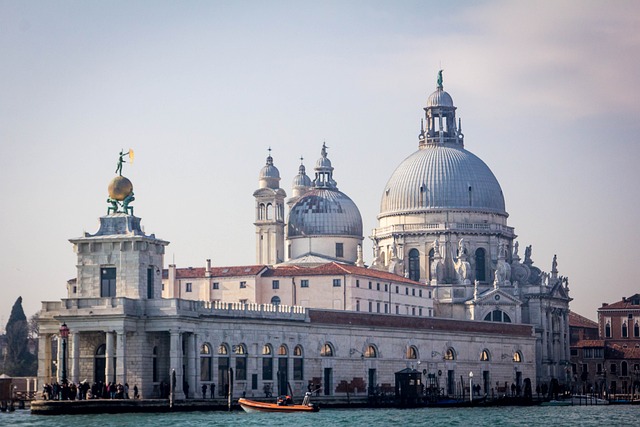
Santa Maria della Salute
Santa Maria della Salute, a magnificent baroque church , stands at the entrance to the Grand Canal, offering an iconic view of Venice. Built in the 17th century as a votive offering to end a plague, the church is an architectural marvel with its grand dome and intricate details. Inside, visitors can admire stunning works of art, including paintings by Titian and Tintoretto . The church's location provides a picturesque backdrop for photographs, especially during the golden hour. Santa Maria della Salute is not only a place of worship but also a symbol of Venice's resilience and artistic heritage. Few know that the church's foundations required over a million wooden piles driven into the mud to support its massive weight. Every November 21st, Venetians build a temporary bridge of boats across the Grand Canal to celebrate the Festa della Salute, continuing a tradition started in 1631.
Scala Contarini del Bovolo
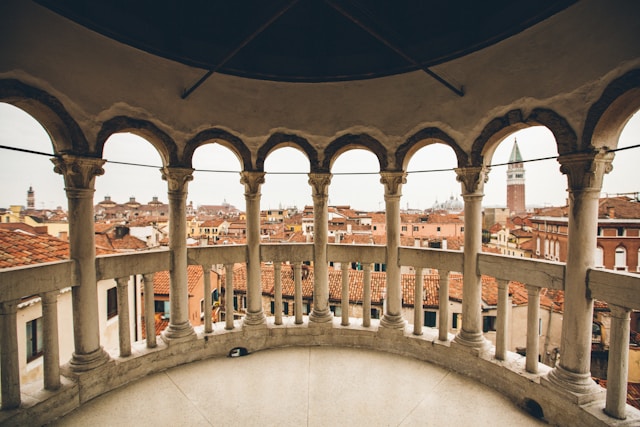
The Scala Contarini del Bovolo is a hidden gem of Venetian architecture, located in a quiet corner of Venice. This spiral staircase , part of the Palazzo Contarini del Bovolo, is a stunning example of Renaissance design with its elegant arches and intricate stonework. Climbing the staircase rewards visitors with panoramic views of Venice's rooftops and canals. The name 'Bovolo,' meaning 'snail,' aptly describes the winding staircase. This lesser-known attraction offers a unique perspective on the city's beauty and a peaceful retreat from the busy tourist spots. It's a must-visit for architecture enthusiasts and those seeking a quieter experience. Few know the staircase was nearly demolished in the 19th century but saved by a last-minute intervention. The palace once housed Venice's first 'cabinet of curiosities' - a Renaissance-era museum of oddities collected by the Contarini family.
Teatro La Fenice
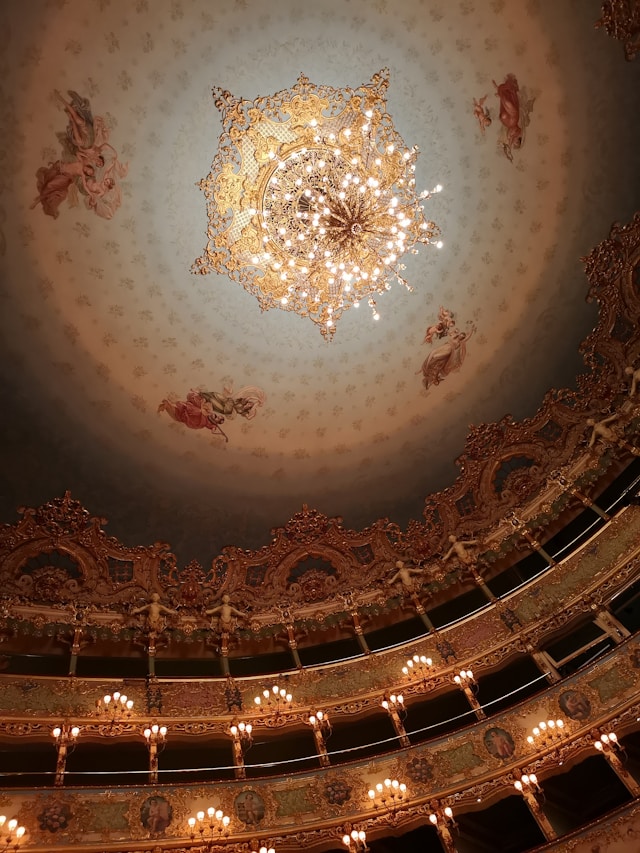
Teatro La Fenice, one of the most prestigious opera houses in the world, is a beacon of Venetian culture and artistry. Despite being rebuilt multiple times after devastating fires, the theater retains its historic charm and grandeur. Its opulent interiors, with gilded details and exquisite frescoes, provide a breathtaking setting for opera, ballet, and concert performances. Guided tours offer insights into the theater's fascinating history and its role in shaping Venice's artistic legacy. Attending a performance at Teatro La Fenice is an unforgettable experience, immersing visitors in the magic of Venetian culture and music. The theater's name means 'The Phoenix,' symbolizing its rebirth from ashes. A curious fact: the theater once had a secret passage connecting to a nearby convent, allowing noblewomen to attend performances discreetly. The current building contains fragments of the original 1792 structure, including some of the ornate plasterwork that survived the 1996 fire.