
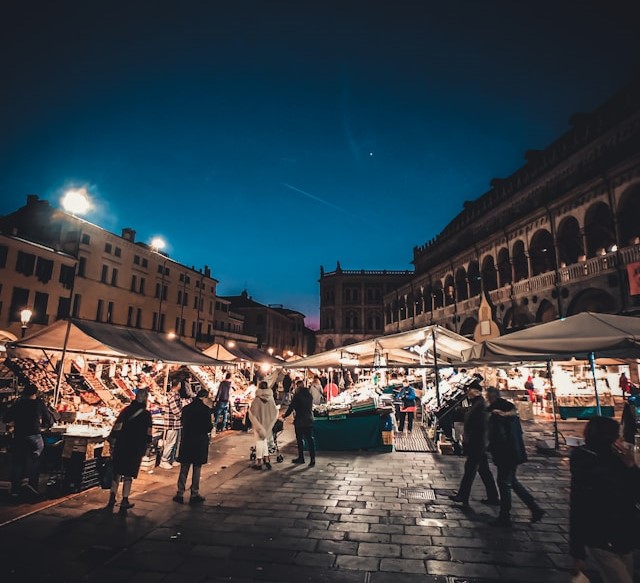
Piazza delle Erbe
In Verona, Italy .
More places to visit in Verona
Discover more attractions and things to do in Verona.
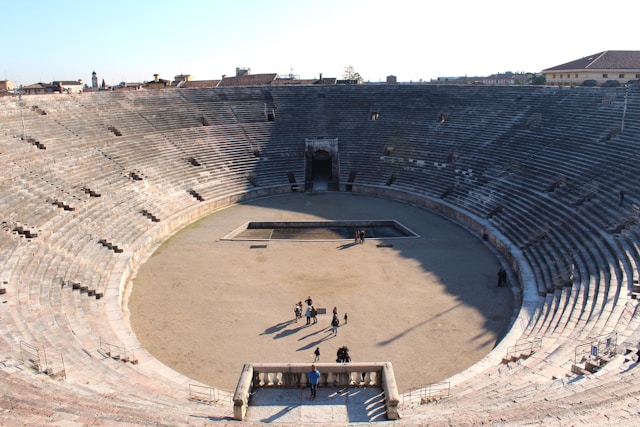
Arena di Verona
The Arena di Verona is one of the most impressive Roman amphitheaters in the world and a hallmark of the city's rich history. Built in the 1st century AD , this ancient arena has stood the test of time and continues to captivate visitors with its grandeur. Originally used for gladiatorial games and large-scale public events, it now serves as a venue for opera performances and concerts, drawing thousands of culture enthusiasts from across the globe. Its elliptical shape provides extraordinary acoustics, enhancing every performance held here. Walking through its arches, you can imagine the vibrant scenes of ancient Roman spectacles. The arena is particularly stunning at night when it is illuminated, offering a magical glimpse into Verona's timeless allure. Few know that the outer ring was partially destroyed in a 12th-century earthquake, and its stones were reused to build Verona's churches. The arena also hosted the first modern opera festival in 1913, featuring Verdi's Aida – a tradition that continues today.
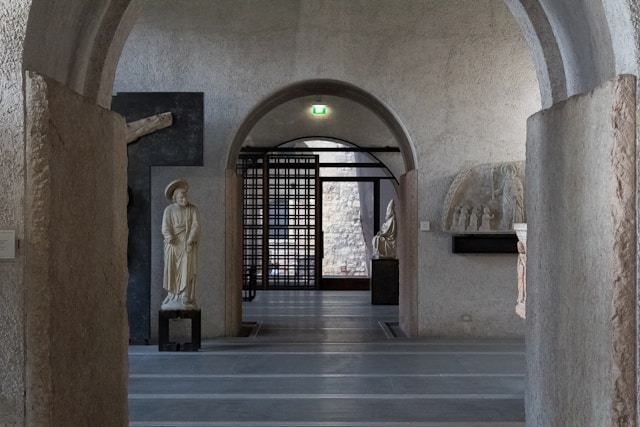
Castelvecchio Museum
The Castelvecchio Museum, housed in a medieval castle on the banks of the Adige River , is a must-visit for history and art enthusiasts. Built in the 14th century by the powerful della Scala family, this fortress is an architectural masterpiece, featuring imposing walls, a moat, and a striking bridge. The museum showcases an extensive collection of art, including paintings, sculptures, and medieval artifacts, from the Romanesque to the Renaissance periods. Highlights include works by Pisanello and Bellini , as well as intricately crafted weapons and jewelry. The castle's restored interiors and courtyards offer a glimpse into Verona's medieval past, making it an enriching experience for visitors. The castle's bridge was blown up by retreating Nazis in WWII but meticulously rebuilt using original materials salvaged from the river. A secret passage in the castle walls once allowed rulers to escape during sieges.
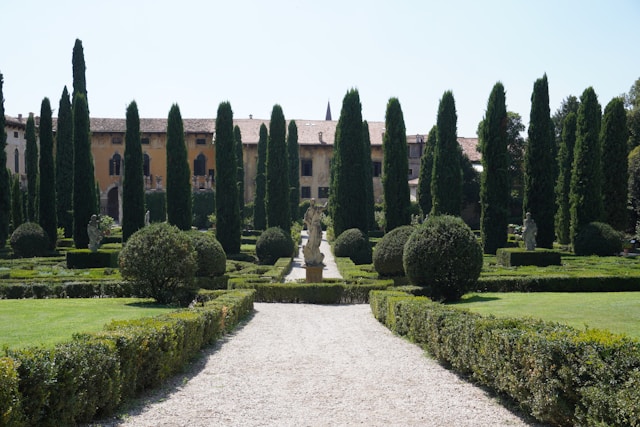
Giardino Giusti
Giardino Giusti, or the Giusti Garden, is a tranquil haven located just outside Verona's city center. This Renaissance garden is celebrated for its symmetrical design, statues, fountains, and carefully curated plant life. Visitors can wander through hedge mazes and terraces while admiring panoramic views of Verona. It has inspired poets, artists, and travelers for centuries, making it a peaceful retreat steeped in history and beauty. The garden's charm lies in its combination of meticulous landscaping and serene atmosphere. Mozart visited the garden in 1770 and composed music inspired by its beauty. The garden's cypress-lined paths form a hidden Masonic symbol, reflecting the Giusti family's esoteric interests.
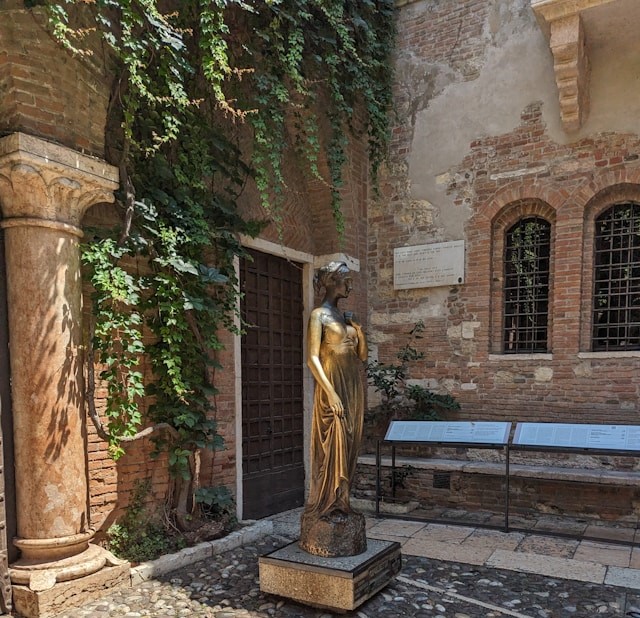
Juliet's House
Juliet's House, or Casa di Giulietta, is one of Verona's most iconic landmarks, steeped in romance and legend. This 14th-century house , complete with a charming courtyard and the famed balcony, is said to be the inspiration for Shakespeare's tragic love story, Romeo and Juliet . While the connection to Juliet is more myth than fact, the house has become a pilgrimage site for lovers from around the world. Visitors can stand on the balcony, reenact scenes from the play, and even leave love notes on the courtyard walls. The interior features a museum with exhibits on the period's history and Shakespearean themes. The bronze statue of Juliet in the courtyard is also a popular spot, believed to bring luck in love to those who touch her right breast. The balcony was added in the 1930s for a film adaptation, as the original house never had one. Over 10,000 letters to Juliet arrive here annually, answered by volunteers known as the "Juliet Club."
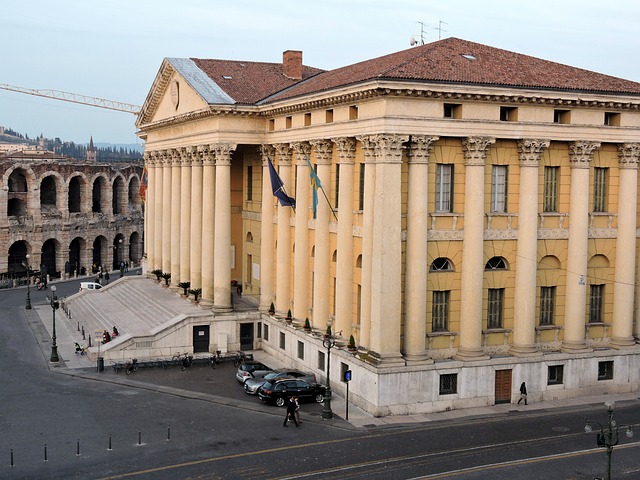
Palazzo Barbieri
Palazzo Barbieri is a majestic neoclassical building located in the heart of Verona, Italy, just steps away from the iconic Arena di Verona. Constructed in the mid-19th century , the palazzo was originally designed to serve as a military barracks. Its impressive façade, characterized by grand columns and symmetrical lines, reflects the classical architectural influences of its time. The building was named after Giuseppe Barbieri, the Veronese architect responsible for its design. Today, Palazzo Barbieri is home to the Verona City Hall, playing a central role in the administrative and cultural life of the city. Visitors are often struck by the palazzo's grandeur and its central location within Piazza Bra, Verona's largest square. The building is surrounded by a picturesque setting that includes charming cafés, historic landmarks, and a lush garden area. While the exterior captures attention with its monumental proportions, the interior is equally impressive, featuring elegant halls and rooms that host civic events, exhibitions, and official meetings. The building's foundation contains a time capsule with 19th-century coins and documents. During WWII, a bomb pierced the roof but failed to explode – it's now displayed as a memorial.
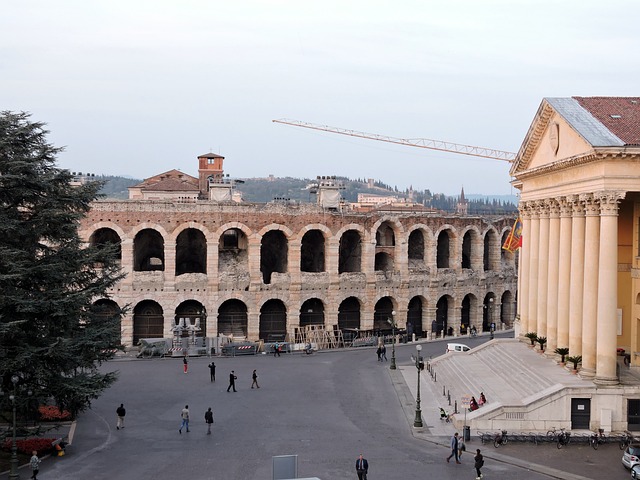
Piazza Bra
Piazza Bra is the largest square in Verona and serves as a welcoming gateway to the city's historic core. Encircled by colorful buildings, the square is lined with cafes, restaurants, and shops. At its center, visitors can admire a beautiful garden featuring the Fontana delle Alpi , symbolizing unity among Alpine nations. The square is dominated by the impressive Verona Arena , an ancient Roman amphitheater that hosts performances and operas to this day. Whether for a meal, a leisurely stroll, or simply to soak in the vibrant atmosphere, Piazza Bra is a must-visit destination. The square's name derives from "braida," a Lombard term for open space. Beneath the pavement lies a section of the original Roman city walls , discovered during 19th-century excavations. The Austrian army once used the arena as a military depot in the 1800s.
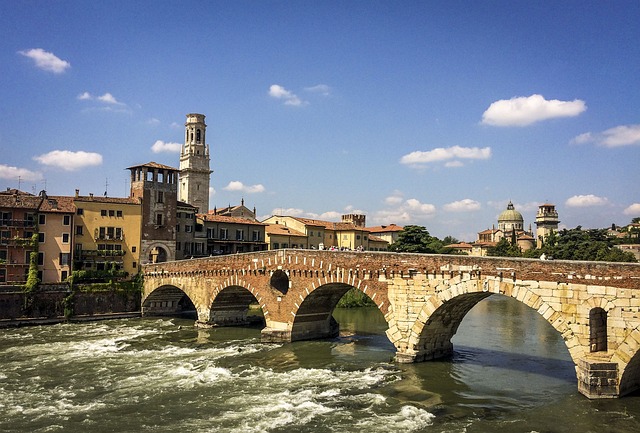
Ponte Pietra
Ponte Pietra, or the Stone Bridge, is a historic landmark in Verona that dates back to Roman times . Spanning the Adige River, this picturesque bridge has been a vital crossing point for centuries. Its striking design, with alternating stone and brick arches, showcases the architectural ingenuity of ancient Rome. The bridge has undergone several restorations over the years, including after World War II, when parts of it were destroyed. Today, it offers breathtaking views of the river and the surrounding cityscape, making it a favorite spot for photographers and romantics. A walk across Ponte Pietra is like stepping back in time, offering a unique connection to Verona's storied past. Roman engineers inscribed the bridge's foundation stones with symbols to track construction progress – some are still visible. The bridge originally had a twin, Ponte Postumio, which collapsed in the 16th century.
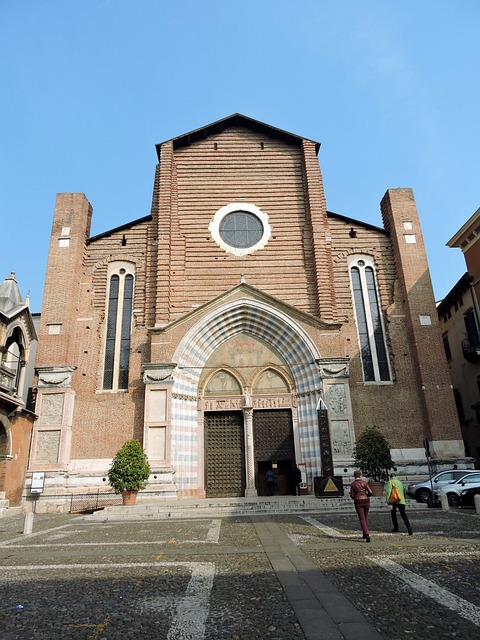
The Basilica of Saint Anastasia
The Basilica of Saint Anastasia is one of Verona's most majestic and significant churches, renowned for its Gothic architecture and artistic treasures. Built between the 13th and 15th centuries , the basilica stands as a symbol of the city's rich spiritual and cultural heritage. Its façade, although unfinished, is striking, and the interior is adorned with breathtaking frescoes, intricate marble works, and awe-inspiring sculptures. One of the highlights is the Pisanello fresco depicting Saint George and the Princess, a masterpiece that captures the grandeur of medieval art. The basilica's soaring columns, vaulted ceilings, and tranquil atmosphere provide visitors with a sense of reverence and wonder. It is a place where art, history, and spirituality converge, making it an essential stop for those exploring Verona. Whether you are an art lover or a casual traveler, the Basilica of Saint Anastasia offers an unforgettable experience steeped in beauty and serenity. The church's "hunchback" statue near the entrance was designed to collect alms for the poor. The original frescoes in the apse were painted over during the Counter-Reformation and remain hidden beneath layers of plaster.
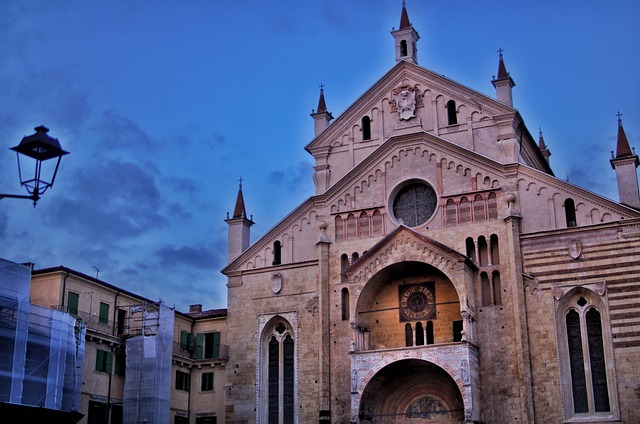
Verona Cathedral
The Verona Cathedral, or Cattedrale di Santa Maria Matricolare, is a stunning example of Romanesque-Gothic architecture . The cathedral features intricate frescoes, majestic columns, and an impressive rose window . Its interior houses masterpieces like Titian's ‘Assumption of the Virgin.' The serene cloisters and tranquil gardens surrounding the cathedral add to its charm. As both a place of worship and a cultural monument, Verona Cathedral offers visitors a spiritual and artistic experience. The cathedral's crypt contains a 4th-century pagan altar repurposed for Christian rites. A rare 12th-century labyrinth carved into a wall symbolizes the spiritual journey to salvation.