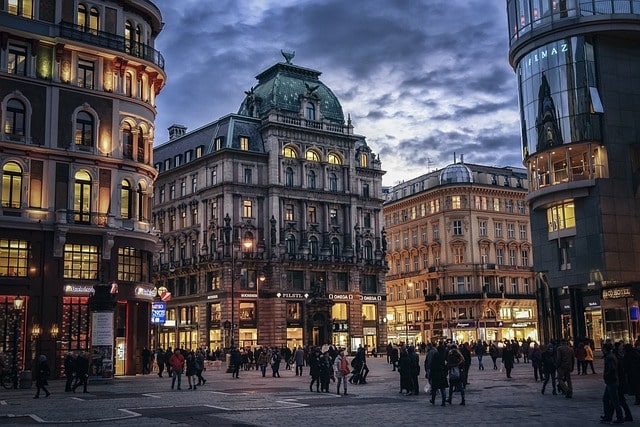
City view of Vienna, Austria

Vienna

Vienna, Austria's capital and largest city, is a captivating blend of imperial grandeur, artistic innovation, and modern sophistication. Its historic city center, a UNESCO World Heritage Site, is a treasure trove of architectural marvels, including the majestic Schönbrunn Palace, the iconic St. Stephen's Cathedral, and the opulent Hofburg Palace. Vienna is synonymous with classical music, having been home to musical giants like Mozart, Beethoven, and Strauss, and it continues to host world-class concerts and opera performances in venues like the Vienna State Opera House.

Top attractions & things to do in Vienna

If you’re searching for the best things to do in Vienna, this guide brings together the top attractions and must-see places to visit in Vienna. The top picks below highlight the most visited sights for first-time visitors, plus a few local favorites worth adding.

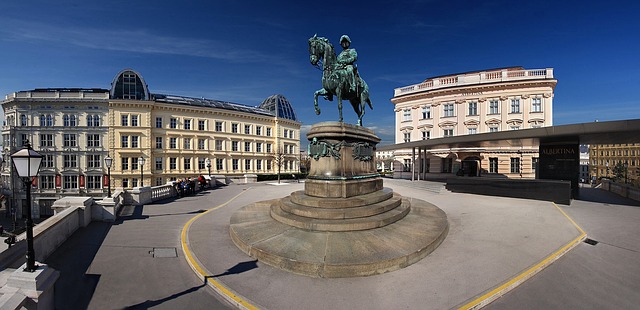
Albertina in Vienna, Austria

Albertina

The Albertina, located in the heart of Vienna, Austria, is one of the most important art museums in the world. Housed in the former imperial palace of the Habsburg dynasty, the Albertina boasts a rich history and an extensive collection of art spanning several centuries. The museum was founded in 1776 by Duke Albert of Saxe-Teschen and is named in his honor. The Albertina is renowned for its vast collection of graphic art, comprising over one million prints and 60,000 drawings. This collection includes works by some of the greatest artists in history, such as Leonardo da Vinci, Michelangelo, Raphael, Rembrandt, and Albrecht Dürer. Dürer's famous "Young Hare" is one of the highlights of the collection. In addition to its graphic art, the Albertina also features an impressive array of modern and contemporary art. The Batliner Collection, a prominent part of the museum, includes masterpieces by Monet, Picasso, Degas, Cézanne, and many other luminaries of modern art. The Albertina Modern, an extension of the museum, showcases contemporary works and houses the Essl Collection, one of the most significant collections of post-1945 art in Austria. The museum's opulent State Rooms, once used by the Habsburgs, offer visitors a glimpse into imperial luxury with their lavish interiors and historical significance. These rooms provide a striking contrast to the museum's modern galleries, creating a unique blend of old and new.
Ads place
Ads place
Ads place
Ads place
Ads place
Belvedere Palace in Vienna, Austria

Belvedere Palace

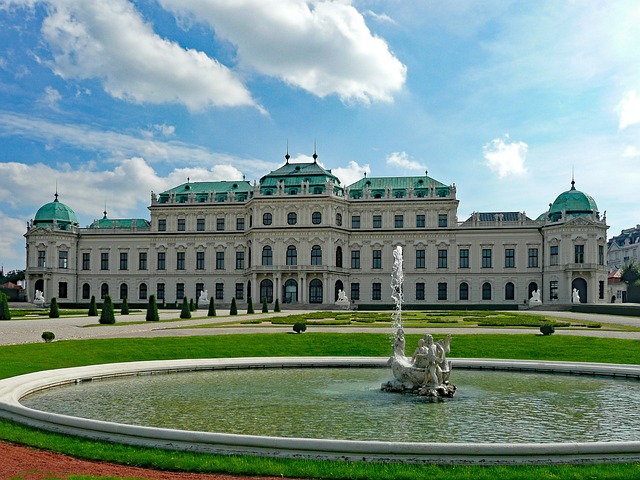
Belvedere Palace in Vienna, Austria, is a stunning example of Baroque architecture and one of the city's most cherished landmarks. Comprising two main palaces, the Upper and Lower Belvedere, it was constructed in the early 18th century as the summer residence for Prince Eugene of Savoy, a prominent military leader and art connoisseur. Designed by renowned architect Johann Lukas von Hildebrandt, the palace complex is set amidst beautifully landscaped gardens and fountains, reflecting the opulence and grandeur of the Baroque era. The Upper Belvedere is particularly famous for its extensive art collection, showcasing masterpieces from the Middle Ages to the present day. It houses the world's largest collection of works by Gustav Klimt, including his iconic painting "The Kiss." The gallery also features significant works by Egon Schiele, Oskar Kokoschka, and other renowned Austrian artists, making it a cultural treasure trove for art enthusiasts. The Lower Belvedere, originally serving as Prince Eugene's residential palace, now hosts temporary exhibitions and offers insight into the lavish lifestyle of its original owner. Its Marble Hall and Marble Gallery are notable for their exquisite interiors and grandiose design. The palace grounds, known as the Belvedere Gardens, are a masterpiece of formal French garden design, with ornate fountains, tiered terraces, and meticulously manicured lawns. These gardens offer a picturesque setting and provide stunning views of Vienna's skyline. Belvedere Palace is more than just an architectural marvel, it is a symbol of Vienna's artistic heritage and historical grandeur.
Ads place
Ads place
Ads place
Ads place
Ads place
Hofburg Palace in Vienna, Austria

Hofburg Palace

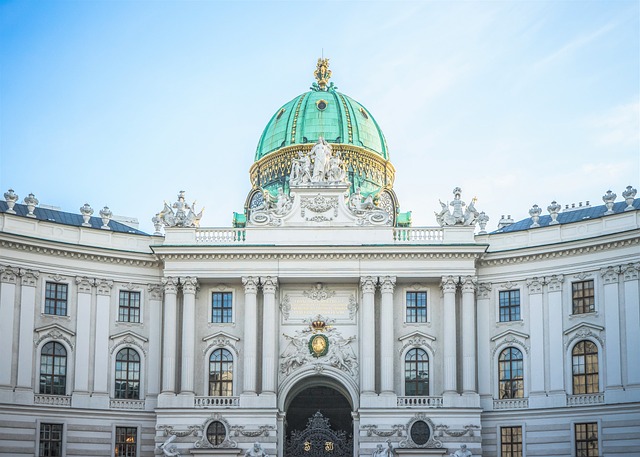
Hofburg Palace, located in the heart of Vienna, Austria, is a vast and historically significant complex that has served as the residence of the Habsburg dynasty for over 600 years. This architectural marvel, with its blend of Gothic, Renaissance, Baroque, Rococo, and Classicism styles, showcases the evolution of European architecture and the grandeur of imperial Austria. The palace complex encompasses a variety of structures, including the Imperial Apartments, the Sisi Museum, the Imperial Chapel, and the Austrian National Library. The Imperial Apartments offer a glimpse into the opulent lifestyle of Emperor Franz Joseph and Empress Elisabeth, known as Sisi. The Sisi Museum is dedicated to the life and legacy of Empress Elisabeth, displaying personal artifacts, portraits, and her famous beauty regimens. One of the most notable sections of Hofburg is the Spanish Riding School, where the world-renowned Lipizzaner stallions perform classical dressage in the Winter Riding School, a Baroque masterpiece in its own right. The Silver Collection showcases the lavish tableware and dining traditions of the Habsburg court. The Neue Burg wing houses several important museums, including the Museum of Ethnology and the Ephesus Museum, reflecting the Habsburgs' extensive cultural and historical reach. The Treasury holds the imperial regalia and crown jewels, further emphasizing the wealth and power of the Habsburgs.
Ads place
Ads place
Ads place
Ads place
Ads place
Kunsthistorisches Museum in Vienna, Austria

Kunsthistorisches Museum

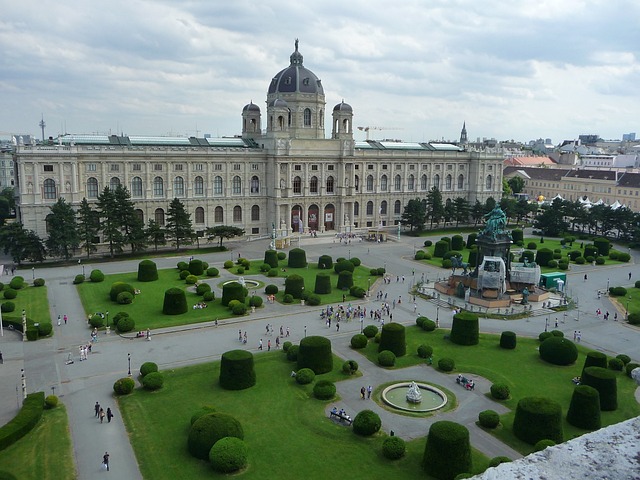
The Kunsthistorisches Museum, situated in the heart of Vienna, Austria, stands as a testament to the city's rich cultural and artistic heritage. Commissioned by Emperor Franz Joseph I, the museum opened its doors in 1891 to display the extensive and diverse art collections of the Habsburg dynasty. The building, designed by the celebrated architects Gottfried Semper and Karl von Hasenauer, is a marvel of historicist architecture. Its grand exterior, adorned with a domed roof and intricate details, leads to an equally magnificent interior featuring opulent marble staircases and ornate decorations. The museum's collections span a wide range of periods and regions, offering visitors a comprehensive journey through art history. It houses an exceptional collection of ancient Egyptian, Greek, and Roman artifacts, providing a glimpse into the ancient world's rich cultural tapestry. The Picture Gallery is a highlight, showcasing masterpieces by renowned European artists such as Pieter Bruegel the Elder, Peter Paul Rubens, Caravaggio, Titian, and Vermeer. This collection is celebrated for its breadth and quality, featuring works that represent the pinnacle of Renaissance and Baroque art. Another fascinating section is the Kunstkammer, a cabinet of curiosities that includes exquisite works of art, intricate mechanical devices, scientific instruments, and exotic objects. This collection reflects the Habsburgs' eclectic tastes and their passion for the arts and sciences. Additionally, the museum boasts an impressive array of coins, weapons, and musical instruments, further enriching its diverse offerings.
Ads place
Ads place
Ads place
Ads place
Ads place
MuseumsQuartier in Vienna, Austria

MuseumsQuartier

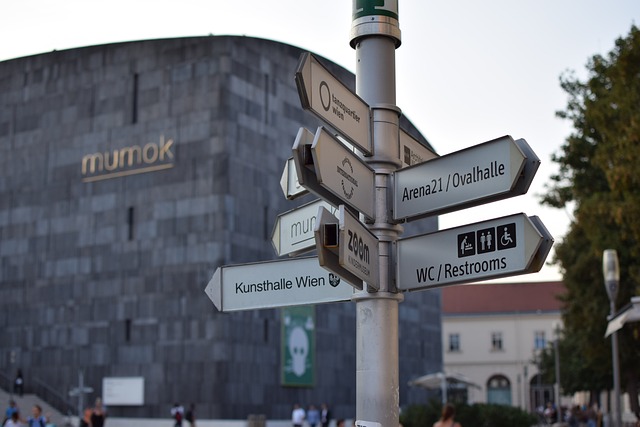
The MuseumsQuartier (MQ) in Vienna is one of the largest cultural complexes in the world, blending historic and contemporary architecture to create a vibrant space for art and culture. Located in the heart of the city, the 60,000 square meter area was transformed from the former imperial stables into a cultural district that opened in 2001. The MQ hosts a diverse range of museums, galleries, and cultural institutions. Key attractions include the Leopold Museum, which houses an extensive collection of Austrian modern art, featuring masterpieces by Egon Schiele and Gustav Klimt. The Museum of Modern Art (MUMOK) showcases an impressive array of 20th and 21st-century works, including pieces by Andy Warhol and Pablo Picasso. Additionally, the Kunsthalle Wien is renowned for its temporary exhibitions of contemporary art. The complex also includes the Architekturzentrum Wien, dedicated to architectural exhibitions and discourse, and the ZOOM Children's Museum, which offers interactive exhibits for younger audiences. The quartier21 area supports creative industries with studios and project spaces for artists, designers, and cultural initiatives. Beyond its museums and galleries, the MQ is a lively social hub. Its courtyards and open spaces are filled with cafes, restaurants, and shops, providing a relaxed atmosphere for visitors to unwind and socialize. Throughout the year, the MQ hosts a variety of events, including film screenings, concerts, and festivals, making it a dynamic and ever-evolving cultural hotspot.
Ads place
Ads place
Ads place
Ads place
Ads place
Prater in Vienna, Austria

Prater

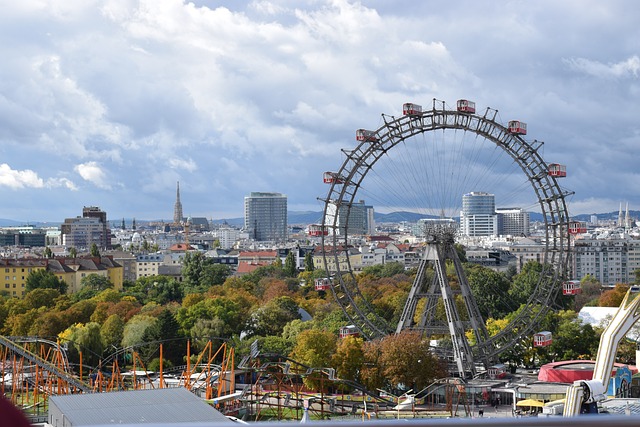
Prater Vienna is one of Vienna's most beloved public parks and entertainment districts, offering a rich blend of natural beauty, recreational activities, and historical charm. Spanning approximately 6 square kilometers, the Prater is located in the 2nd district of Vienna, along the banks of the Danube River, and serves as a green oasis in the heart of the city. The Prater's most iconic attraction is the Giant Ferris Wheel (Wiener Riesenrad), a historic landmark that has been offering panoramic views of Vienna since 1897. Standing at 65 meters tall, the Ferris wheel provides breathtaking vistas of the cityscape and is a must-see for visitors. The surrounding area features a variety of amusement rides, from classic carousels to modern thrill rides, making it a vibrant hub for family fun and entertainment. In addition to the amusement park, the Prater is renowned for its expansive green spaces, including beautiful walking and cycling paths, serene meadows, and shady woodlands. The Prater Hauptallee, a grand avenue lined with trees, is perfect for leisurely strolls or bike rides. The park's serene atmosphere is ideal for picnicking, jogging, or simply relaxing. The Prater also offers a diverse range of dining options, from traditional Viennese beer gardens and outdoor cafés to international eateries. The Wurstelprater, the amusement park section, is home to food stalls serving everything from classic Austrian sausages to sweet pastries. Historical landmarks within the park include the Prater Museum, which explores the history of the Prater and its attractions, and the Planetarium, which offers educational and entertaining shows about the universe.
Ads place
Ads place
Ads place
Ads place
Ads place
Schönbrunn Palace in Vienna, Austria

Schönbrunn Palace

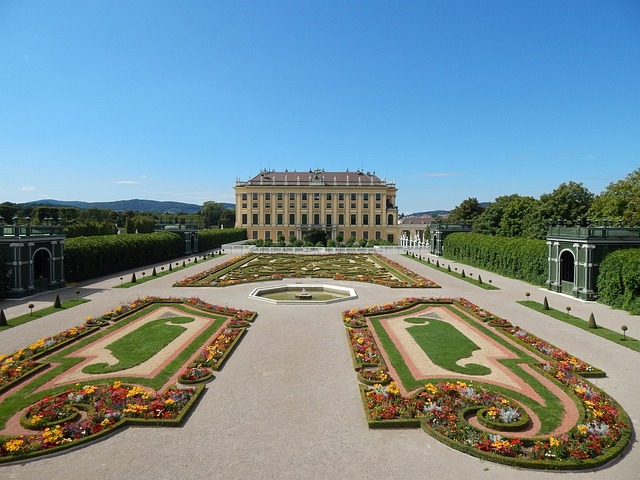
Schönbrunn Palace, located in Vienna, Austria, is one of Europe's most magnificent Baroque complexes and a UNESCO World Heritage Site. Built in the late 17th century as a summer residence for the Habsburg monarchs, the palace boasts 1,441 rooms, each adorned with exquisite Rococo decor. The Great Gallery, with its intricate ceiling frescoes, and the Hall of Mirrors, where Mozart performed as a child, highlight its opulent interiors. The palace grounds are equally impressive, featuring meticulously landscaped gardens, fountains, statues, and the iconic Gloriette, offering panoramic views of Vienna. The Tiergarten Schönbrunn, the world's oldest zoo, established in 1752, and the Palm House, a splendid greenhouse housing exotic plants, add to the estate's allure. Schönbrunn's historical significance is profound. It served as a political and cultural hub, hosting events and dignitaries, including Napoleon. Empress Maria Theresa, the only female ruler of the Habsburg dominions, made extensive renovations, contributing to its grandeur. The palace's historical and architectural heritage reflects the Habsburgs' wealth and influence, providing insight into imperial life over centuries.
Ads place
Ads place
Ads place
Ads place
Ads place
St. Stephen's Cathedral (Stephansdom) in Vienna, Austria

St. Stephen's Cathedral (Stephansdom)

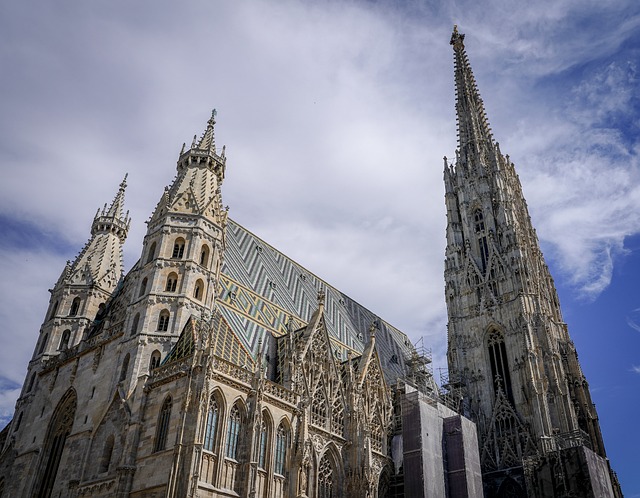
Located in the heart of Vienna, this Gothic cathedral is a masterpiece of medieval architecture. It features a striking tiled roof and a towering south spire offering panoramic city views. The interior is equally impressive, with intricate altars and the catacombs below. St. Stephen's is also a cultural hub, hosting concerts and events throughout the year. It is an iconic symbol of Vienna.Stephansdom, or St. Stephen's Cathedral, is an iconic Gothic masterpiece located in the heart of Vienna, Austria. As the mother church of the Roman Catholic Archdiocese of Vienna, it holds immense religious and historical significance. Originally built in the 12th century, the cathedral has undergone numerous expansions and renovations, reflecting a blend of Romanesque and Gothic architectural styles. The cathedral's most striking feature is its multi-colored tiled roof, adorned with intricate patterns and the Austrian eagle emblem. Standing at 136 meters (446 feet) tall, the South Tower, known as "Steffl," dominates Vienna's skyline, offering breathtaking views of the city to those who climb its 343 steps. The North Tower, although unfinished, houses the Pummerin, one of the largest church bells in Europe, cast from the cannons of the Ottoman Turks. Inside, Stephansdom's grandeur continues with its soaring vaulted ceilings, ornate altars, and exquisite stained glass windows. The cathedral houses numerous chapels, the most famous being the Chapel of the Cross, containing a revered crucifix dating back to the 14th century. The catacombs beneath the cathedral serve as the final resting place for numerous bishops, cardinals, and members of the Habsburg family.
Ads place
Ads place
Ads place
Ads place
Ads place
Vienna City Hall (Rathaus) in Vienna, Austria

Vienna City Hall (Rathaus)

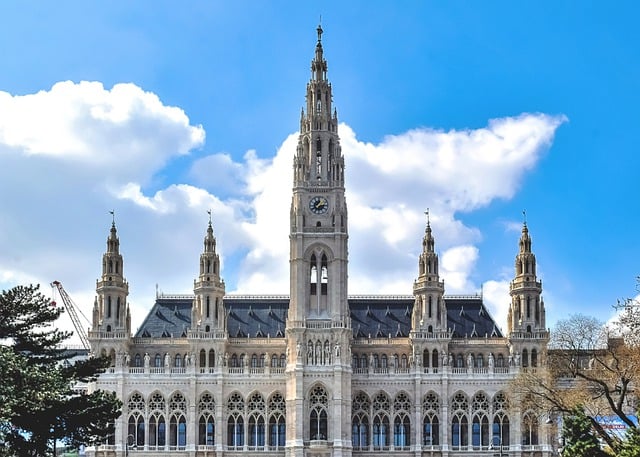
Vienna City Hall, known as the Rathaus, is a striking example of Neo-Gothic architecture and serves as the administrative center for the city of Vienna, Austria. Located on Rathausplatz in the Innere Stadt district, the building was constructed between 1872 and 1883 based on the designs of architect Friedrich von Schmidt. The Rathaus is distinguished by its imposing façade, adorned with intricate stonework, pointed arches, and a series of statues representing historical figures. The central tower, crowned by the iconic Rathausmann statue, stands at 98 meters (322 feet), making it a prominent feature of Vienna's skyline. The Rathausmann, a knight in armor holding a banner, is a beloved symbol of the city. Inside, the building is equally impressive, featuring grand halls, elegant chambers, and a richly decorated interior. The Festsaal (Festival Hall), one of the largest rooms, is often used for official functions, concerts, and cultural events. The Rathaus also houses the offices of the mayor and city council, playing a vital role in the governance of Vienna. The surrounding Rathausplatz is a vibrant public space that hosts numerous events throughout the year, including the famous Vienna Christmas Market, ice skating in winter, and the open-air film festival in summer. The square and its adjacent park are popular spots for both locals and tourists to relax and enjoy the city's lively atmosphere.
Ads place
Ads place
Ads place
Ads place
Ads place
Vienna State Opera (Wiener Staatsoper) in Vienna, Austria

Vienna State Opera (Wiener Staatsoper)

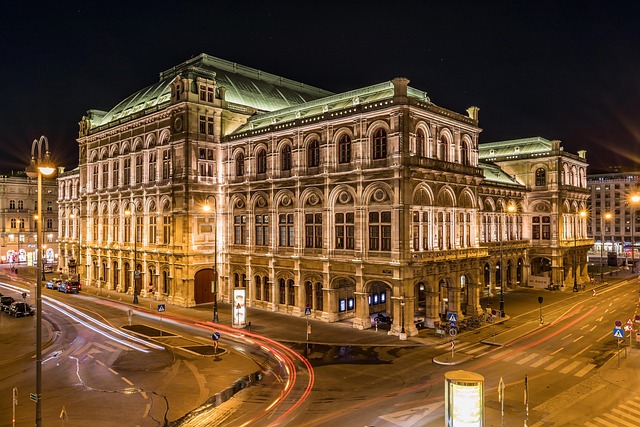
The Vienna State Opera, known as Wiener Staatsoper, is one of the most renowned opera houses in the world, located in the heart of Vienna, Austria. Opened in 1869 with a performance of Mozart's "Don Giovanni," the opera house is an architectural and cultural landmark that epitomizes the city's rich musical heritage. Designed by architects August Sicard von Sicardsburg and Eduard van der Nüll, the building showcases a blend of Neo-Renaissance and Renaissance Revival styles. Its grand facade, adorned with arches, statues, and frescoes, reflects the opulence of the era. Inside, the auditorium is equally impressive, featuring plush red velvet seats, golden accents, and a majestic chandelier, creating an atmosphere of timeless elegance. The Vienna State Opera is celebrated for its exceptional acoustics and world-class productions. It hosts an extensive repertoire, with over 50 different operas and ballets performed each season by leading international artists. The institution is home to the Vienna Philharmonic Orchestra, further enhancing its reputation for musical excellence. One of the most anticipated annual events is the Vienna Opera Ball, a glamorous affair that transforms the opera house into a grand ballroom, attracting dignitaries and celebrities from around the globe. During World War II, the opera house suffered significant damage, but it was meticulously restored and reopened in 1955 with a performance of Beethoven's "Fidelio." This resilience underscores its importance as a cultural beacon.
Ads place
Ads place
Ads place
Ads place
Ads place