
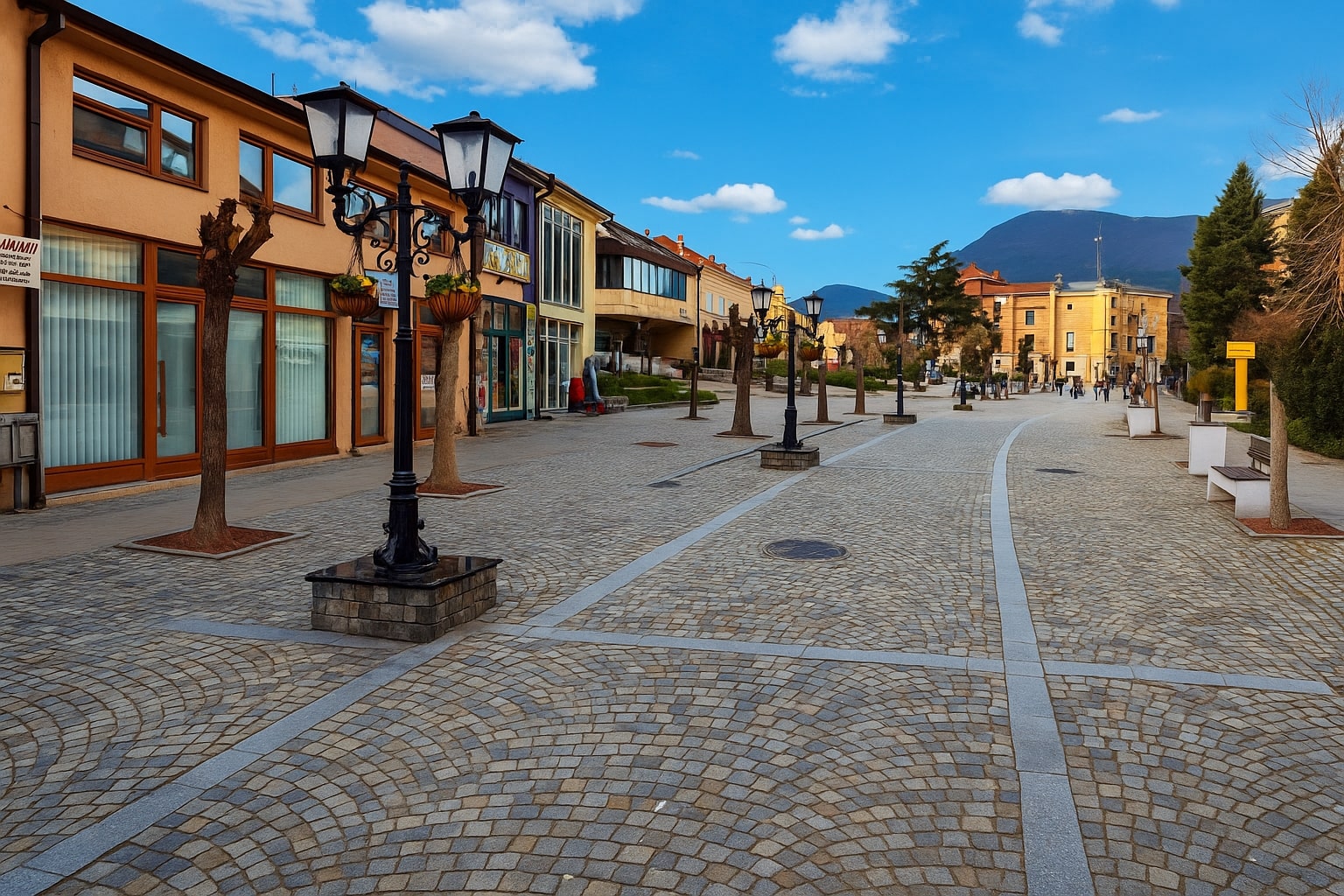
City view of Vranje, Serbia

Vranje

Vranje speaks in music and perfume. Urban romances float from courtyards, and a museum to writer Bora Stankovic drapes lace over memory with respectful gloom. Ottoman-era houses keep low sofas and the choreography of coffee service precise enough to qualify as dance. Grills send up pepper smoke, souvlaki cousins arrive with onions, and winter stews persuade even restless travelers to sit longer. The local dialect sings its vowels, and shopkeepers can negotiate three sales and two jokes simultaneously. South of town, Prohor Pcinski monastery sits in green calm, a place where bells adjust your posture. A small surprise waits at the flea market: antique accordions that still breathe well if you do. Vranje offers less spectacle than mood, and it is generous with both. Walk slowly at dusk and the streets give you a melody to carry home like a folded handkerchief.

Top attractions & things to do in Vranje

If you’re searching for the best things to do in Vranje, this guide brings together the top attractions and must-see places to visit in Vranje. The top picks below highlight the most visited sights for first-time visitors, plus a few local favorites worth adding.

Bora Stankovic House in Vranje, Serbia

Bora Stankovic House

A low doorway opens to creaking floors and a desk set near the window where a novelist watched the town perform itself. The house preserves the world that shaped Bora Stankovic whose books fixed Vranje in national literature with tenderness and argument. Panels follow a life from 1876 to 1927 and underline how scenes from Necista krv and Kostana grew from street voices and courtyard rituals. Photographs show actors rehearsing early productions while letters negotiate publishers and bills which makes the craft feel practical more than mystical. Traditional rooms hold woven covers and copper trays and the smell of wood reminds you that writing often happens near everyday chores. Outside the lane still carries markets and gossip so the museum feels properly plugged into its subject. You leave with sentences in your ear and a sense that literature can be both home and mirror when a city insists on telling the truth about itself.
Ads place
Ads place
Ads place
Ads place
Ads place
Holy Trinity Church in Vranje, Serbia

Holy Trinity Church

Stone cools the square around a church that gathers sunlight into calm and turns footsteps into a slower meter. Built in the mid 19th century when permits were hard won under the Ottoman Empire the cathedral asserts presence through balance rather than size. Inside a carved iconostasis carries saints with firm features and careful gilding while wall painting continues the Byzantine conversation in a local accent. Craftsmen from nearby workshops left discreet signatures and a few boards still show marks from hand planes which gives the place a practical intimacy. On feast days choirs braid voices with bells and the neighborhood fills with incense and bread and the sense that time has been edited kindly. Parish records preserve baptisms from the late 19th century and photographs track repairs through difficult decades. Walk back outside and the square resumes errands but keeps the church's cadence for a while longer.
Ads place
Ads place
Ads place
Ads place
Ads place
Museum of Vranje Pashas Konak in Vranje, Serbia

Museum of Vranje Pashas Konak

A wooden gallery wraps the upper floor and the courtyard holds its breath as if waiting for a visitor from another century. Inside the rooms you read how an urban household worked when Vranje sat on a lively frontier between markets and armies. The residence dates to 1847 and carries the vocabulary of the Ottoman town house with sofas set along windows and a guest salon meant to negotiate rank politely. Displays lean into ethnography with embroidered towels and brass coffee sets yet the ledgers and seals point to trade as the real engine. Carved ceilings and painted niches speak in the language of the 19th century artisan while the cool stone ground floor remembers winters that lasted longer than stories. Guides connect the house to similar konak architecture across the Balkans so the building becomes a map as well as a museum. You step out thankful for the shade and for a city that keeps its memory in livable rooms.
Ads place
Ads place
Ads place
Ads place
Ads place
Vranjska Banja Spa in Vranje, Serbia

Vranjska Banja Spa

Steam unwinds from pools in cool weather and the valley answers with a gentler voice as if it knows you have come to rest. Springs here run among the hottest on the continent with measurements near 96 C and traces of Roman use point to antique bathing habits that never quite stopped. The town later added an Ottoman hamam and a wave of 20th century clinics that taught balneology alongside practical hospitality. Paths thread between plane trees and pavilions and the mineral scent hangs lightly over benches where patients trade notes about doctors and walking routes. Old postcards show long verandas and serious hats while today you see tracksuits and books and the same unhurried routines. Day trips from Vranje keep the place sociable without noise and evenings settle into chess and tea. The spa proves that health can be a civic culture and that water sometimes edits a week better than any calendar.
Ads place
Ads place
Ads place
Ads place
Ads place
White Bridge in Vranje, Serbia

White Bridge

At the edge of the old town a pale arch crosses the river with an elegance that seems to quiet traffic and conversation. Local memory insists the bridge rose in 1844 and ties its stones to the love story of Ajsa and Stojan a legend where family duty collided with feeling and the town chose compassion as the final word. The structure belongs to the last century of the Ottoman era and its proportions suit foot travelers who once measured time by markets and church bells. Masonry shows tidy joints and a parapet just high enough for safety not so high as to block the view of willows and roofs. Weddings and school excursions pause here because the site translates history into a single readable gesture. The bridge works as folklore and infrastructure at once and proves that a city sometimes writes its best chapter across a few meters of water and stone.
Ads place
Ads place
Ads place
Ads place
Ads place