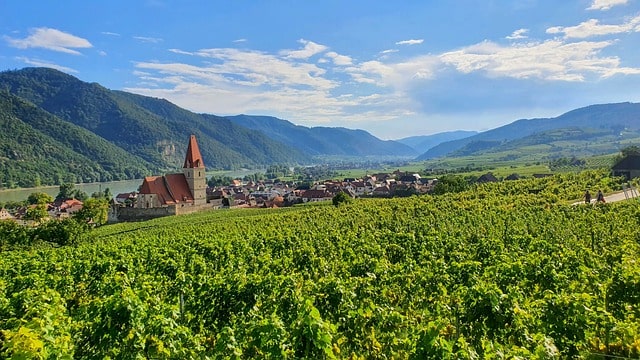
City view of Wachau, Austria

Wachau

The Wachau is a stunning 36-kilometer stretch of the Danube Valley in Lower Austria, recognized as a UNESCO World Heritage site. Located between the historic towns of Melk and Krems, it is renowned for its harmonious blend of natural beauty and centuries-old architecture. The landscape is defined by steep, stone-walled terraces producing world-class Riesling and Grüner Veltliner wines. Beyond viticulture, the region is famous for its Wachau apricots, which transform the valley into a sea of blossoms each spring. Cultural highlights include the magnificent baroque Melk Abbey, the blue tower of Dürnstein, and medieval castle ruins like Aggstein.

Top attractions & things to do in Wachau

If you’re searching for the best things to do in Wachau, this guide brings together the top attractions and must-see places to visit in Wachau. The top picks below highlight the most visited sights for first-time visitors, plus a few local favorites worth adding.

Aggstein Castle in Wachau, Austria

Aggstein Castle

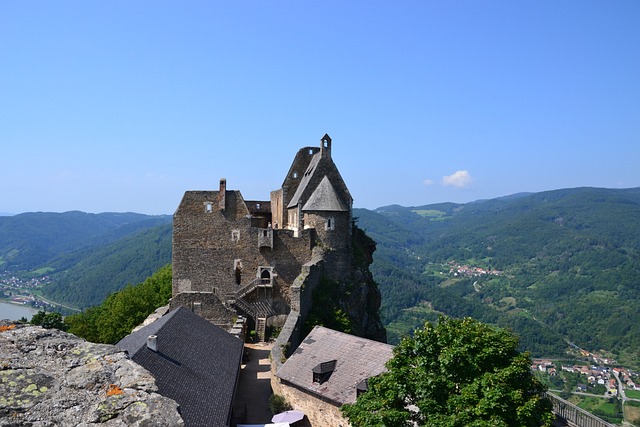
Aggstein Castle, perched on a rocky outcrop high above the Danube River, is one of the most dramatic and well-preserved castle ruins in Austria. Built in the 12th century, the castle has a storied past filled with tales of knights, sieges, and legendary robber barons. Its strategic location offers commanding views over the river and the surrounding valley, making it a formidable stronghold in its time. Today, visitors can explore the castle's extensive ruins, including its towers, walls, and the notorious "Rose Garden," a cliffside prison where captives were supposedly left to starve. The castle's interior features exhibits on medieval life, including weaponry, armor, and daily artifacts. Special events, such as medieval festivals and reenactments, bring the history of Aggstein Castle to life, offering a vivid glimpse into its storied past. The combination of stunning vistas, rich history, and the castle's evocative atmosphere make Aggstein Castle a captivating destination for history buffs and adventurers exploring the Wachau Region.
Ads place
Ads place
Ads place
Ads place
Ads place
Dürnstein Castle in Wachau, Austria

Dürnstein Castle

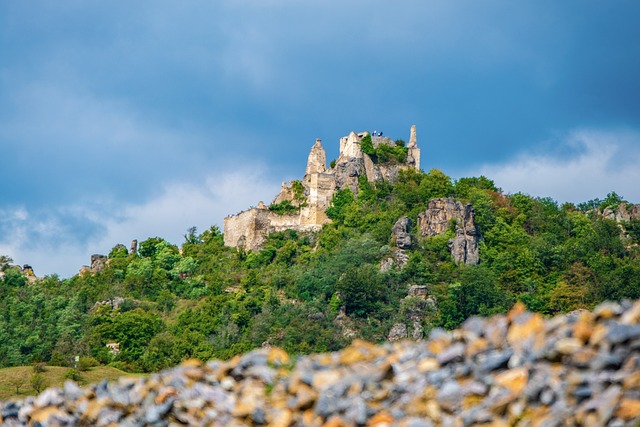
Dürnstein Castle, perched high above the town of Dürnstein, is a legendary ruin with a dramatic history. It is best known as the prison of King Richard the Lionheart, who was captured and held here in 1192 during his return from the Third Crusade. The castle, dating back to the early 12th century, now lies in ruins, but its historical significance and the stunning panoramic views it offers over the Danube River and the Wachau Valley make it a must-visit site. The hike to the castle is steep but rewarding, leading visitors through scenic vineyards and rugged landscapes. At the summit, the ruins themselves tell tales of medieval fortifications and historical intrigue. The surrounding town of Dürnstein, with its charming streets and the striking blue tower of the Stiftskirche, complements the castle visit, offering a blend of history, culture, and natural beauty that captures the essence of the Wachau Region.Dürnstein Castle, perched high above the town of Dürnstein, is a legendary ruin with a dramatic history. It is best known as the prison of King Richard the Lionheart, who was captured and held here in 1192 during his return from the Third Crusade. The castle, dating back to the early 12th century, now lies in ruins, but its historical significance and the stunning panoramic views it offers over the Danube River and the Wachau Valley make it a must-visit site. The hike to the castle is steep but rewarding, leading visitors through scenic vineyards and rugged landscapes.
Ads place
Ads place
Ads place
Ads place
Ads place
Göttweig Abbey (Göttweig Stift) in Wachau, Austria

Göttweig Abbey (Göttweig Stift)

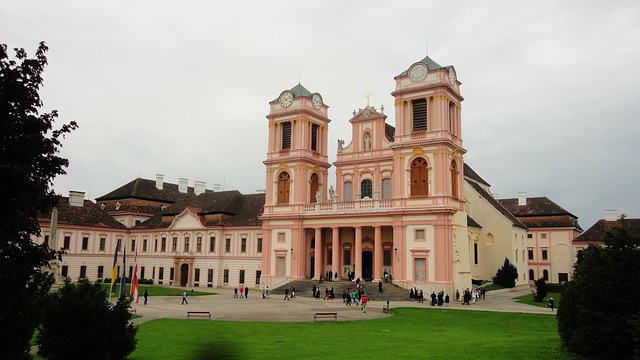
Göttweig Abbey, majestically perched on a hill overlooking the Wachau Valley, is a stunning Baroque Benedictine monastery with a rich history dating back to its founding in 1083. Known as the "Austrian Monte Cassino," the abbey is a UNESCO World Heritage site and a significant spiritual and cultural center. Its current Baroque appearance is the result of extensive rebuilding in the early 18th century after a devastating fire. The abbey church features grand frescoes by Paul Troger, while the imperial staircase, adorned with Troger's magnificent ceiling fresco, is considered one of the masterpieces of Baroque art. The abbey's museum houses an impressive collection of religious art, manuscripts, and artifacts, offering insights into the monastic life and the abbey's history. The surrounding gardens and the terrace provide breathtaking views of the Wachau Valley and the Danube River. Göttweig Abbey's serene atmosphere, combined with its architectural splendor and historical significance, makes it a captivating destination for visitors interested in art, history, and spirituality.
Ads place
Ads place
Ads place
Ads place
Ads place
Melk Abbey (Stift Melk) in Wachau, Austria

Melk Abbey (Stift Melk)

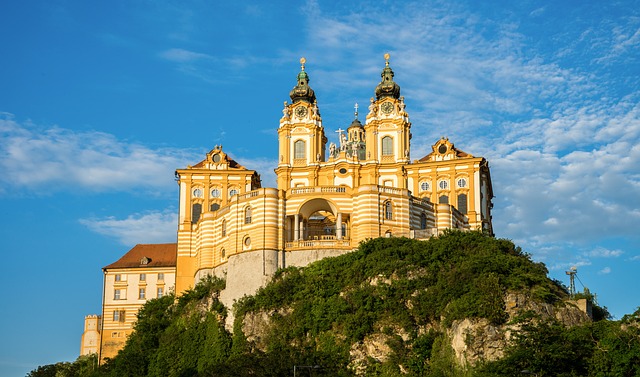
Melk Abbey is a magnificent Baroque monastery situated high above the town of Melk on the Danube River. Founded in 1089 and reconstructed in the early 18th century, it stands as one of the most splendid examples of Baroque architecture in Europe. The abbey's church, adorned with ornate frescoes by Johann Michael Rottmayr and intricate stuccoes by Lorenzo Mattielli, dazzles visitors with its opulence. The grand library is equally impressive, containing around 100,000 volumes, including medieval manuscripts and precious incunabula. The marble hall, with its grand ceiling fresco, showcases the artistic and architectural brilliance of the era. Outside, the abbey offers stunning views over the Danube and the surrounding Wachau Valley, while its beautifully landscaped gardens provide a peaceful retreat. A UNESCO World Heritage site, Melk Abbey is not only a religious and cultural landmark but also a symbol of Austrian heritage, attracting visitors from around the world who come to marvel at its beauty and historical significance.
Ads place
Ads place
Ads place
Ads place
Ads place
Schönbühel Castle in Wachau, Austria

Schönbühel Castle

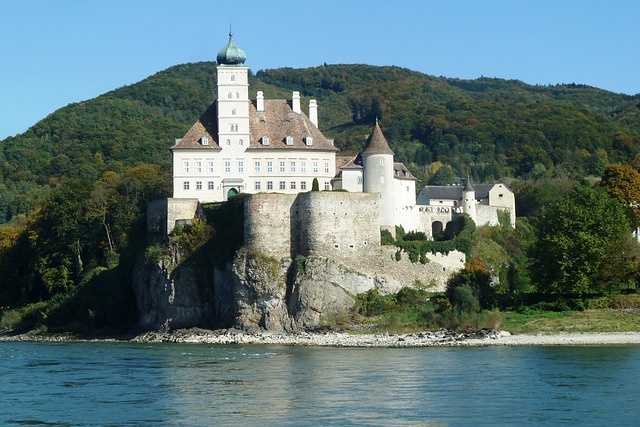
Schönbühel Castle, a fairy-tale fortress situated on a rocky outcrop above the Danube River, dates back to the early 12th century. Its picturesque setting and well-preserved medieval architecture make it a striking landmark in the Wachau Region. The castle has been restored and renovated over the centuries, maintaining its historic charm while adapting to modern times. Visitors can explore the castle's towers, courtyards, and chambers, which offer a glimpse into the life of the nobility during the medieval period. The panoramic views from the castle grounds are spectacular, providing sweeping vistas of the Danube and the surrounding valley. The castle's chapel, dedicated to St. George, is notable for its beautiful frescoes and historic significance. Schönbühel Castle's romantic and dramatic presence, combined with its rich history, makes it a fascinating destination for history enthusiasts and those seeking to experience the enchanting atmosphere of the Wachau Region.
Ads place
Ads place
Ads place
Ads place
Ads place
Wachau Apricot (Wachauer Marille) in Wachau, Austria

Wachau Apricot (Wachauer Marille)

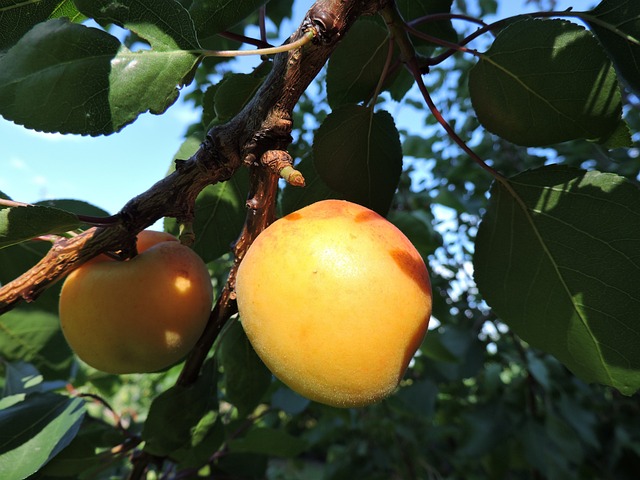
The Wachau Apricot, also known as the "Wachauer Marille," is a renowned fruit variety cultivated in the Wachau Valley, a UNESCO World Heritage site in Austria. This apricot is celebrated for its exceptional flavor, aromatic intensity, and juiciness, making it a sought-after delicacy both locally and internationally. The unique microclimate of the Wachau Valley, characterized by warm days and cool nights, along with its mineral-rich soil, creates the perfect conditions for growing these premium apricots. Harvested between late June and early August, the Wachau Apricot is a central element of the region's culinary identity. It is used in a variety of traditional dishes and products, including apricot jams, brandies, liqueurs, and the famous Wachauer Marillenknödel, a delicious dumpling filled with apricot. The annual Wachau Apricot Festival celebrates this cherished fruit, attracting visitors with its vibrant markets, culinary demonstrations, and cultural events. The cultivation of Wachau Apricots is a tradition passed down through generations, reflecting the region's commitment to quality and heritage. This dedication ensures that the Wachau Apricot remains a symbol of the valley's rich agricultural legacy, delighting food lovers with its exquisite taste and versatility in the kitchen.
Ads place
Ads place
Ads place
Ads place
Ads place
Wine Terraces in Wachau, Austria

Wine Terraces

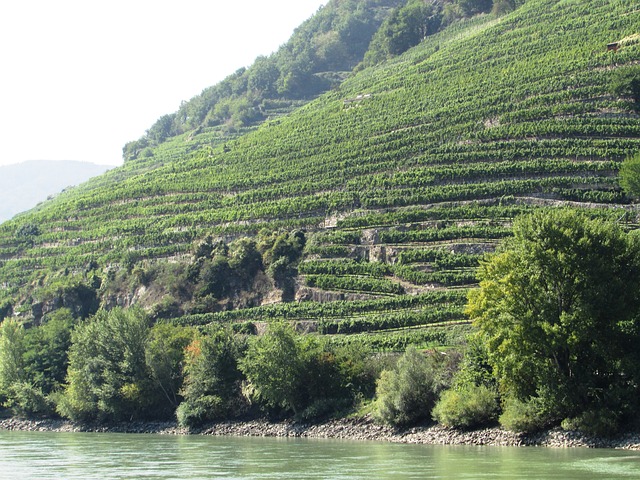
The Wine Terraces of the Wachau Region are renowned for producing some of Austria's finest white wines, particularly Riesling and Grüner Veltliner. These steep, terraced vineyards, which have been cultivated for centuries, are a hallmark of the region's landscape and a UNESCO World Heritage site. The unique microclimate and the mineral-rich soil of the terraces contribute to the distinctive quality of the Wachau wines, known for their crispness, complexity, and aromatic profiles. Visitors can explore the vineyards through a variety of wine tours and tastings, often hosted by local winemakers who share their passion and knowledge about viticulture. The scenic beauty of the terraces, with rows of vines cascading down towards the Danube, provides a picturesque backdrop for wine enthusiasts. Seasonal wine festivals and events celebrate the region's rich winemaking heritage, offering a chance to experience the local culture, cuisine, and hospitality. The Wachau's wine terraces are not just a destination for wine lovers but also for anyone seeking to experience the harmony between nature, tradition, and craftsmanship.The Wine Terraces of the Wachau Region are renowned for producing some of Austria's finest white wines, particularly Riesling and Grüner Veltliner.
Ads place
Ads place
Ads place
Ads place
Ads place