
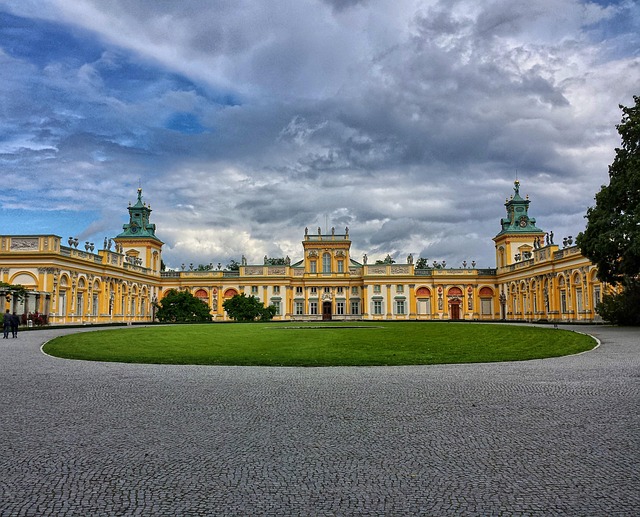
Wilanow Palace
In Warsaw, Poland .
More places to visit in Warsaw
Discover more attractions and things to do in Warsaw.
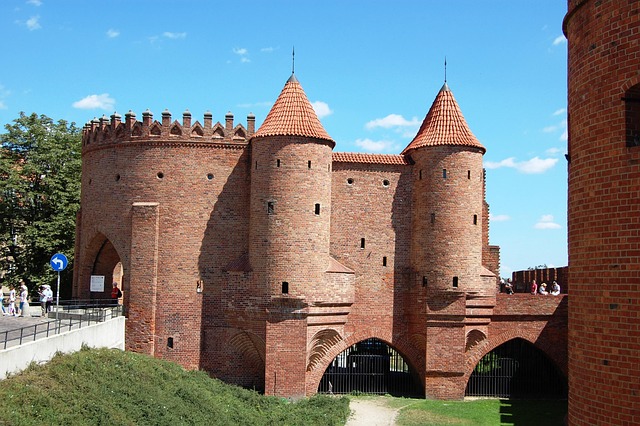
Barbakan
The Barbakan in Warsaw is a striking 16th-century red-brick fortress guarding the entrance to the Old Town. Built by architect Jan Baptist the Venetian , this semicircular stronghold was part of the city’s medieval defenses. During World War II , the Barbakan suffered severe damage but was meticulously rebuilt, now standing as a symbol of Warsaw’s enduring strength. The fortress hosts seasonal artisans’ markets , folk music events, and interactive exhibitions on the city’s military past. Inside, exhibits tell the story of Warsaw’s fortifications and their role in defending the city against invaders. A lesser-known highlight is the view from the upper walkway, offering a unique perspective on the Old Town’s rooftops. Sometimes, medieval reenactors stage mock battles here, thrilling children and history buffs alike. Beneath the Barbakan, archaeologists have uncovered layers of earlier fortifications, revealing secrets about Warsaw’s evolving defenses through the centuries. Today, the Barbakan bridges history and daily life, captivating both history buffs and families exploring Warsaw’s timeless walls.
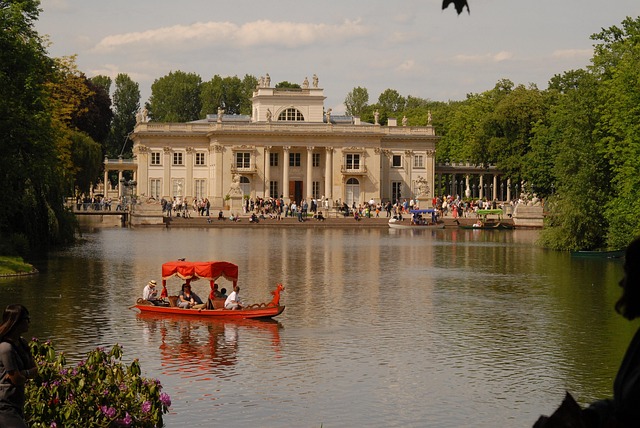
Lazienki Park
Lazienki Park is Warsaw's most enchanting green oasis, famed for its serene landscapes and regal monuments. At its heart is the Palace on the Isle , a splendid neoclassical residence surrounded by tranquil waters. The park features Chopin Monument , where summer concerts attract music lovers from around the world, and the elegant Amphitheatre inspired by ancient ruins. Home to free-roaming peacocks and red squirrels, the park's winding paths reveal hidden treasures like the Old Orangery and Royal Baths. In autumn, fiery foliage transforms the grounds into a painterly spectacle. Not many visitors know the park’s origins as a royal bath complex, or that it houses one of Europe’s oldest planetariums within the White Pavilion . On summer evenings, lantern-lit boat rides glide along the lakes, echoing the elegance of past royal parties. The park also hosts the magical Royal Light Garden, a winter illumination show that draws thousands each year. Lazienki's blend of art, history, and natural beauty makes it the perfect retreat for reflection, recreation, and connecting with Warsaw’s royal legacy.
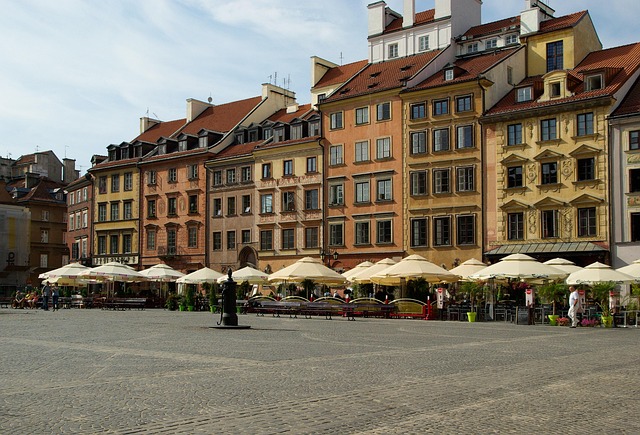
Old Town Market Square
The Old Town Market Square is the beating heart of Warsaw's historic district, surrounded by pastel merchant houses, lively cafes, and street artists. Painstakingly reconstructed after World War II devastation, it is now a UNESCO World Heritage Site and a testament to Polish determination. At its center stands the iconic Mermaid of Warsaw statue, the city’s beloved symbol. The square bustles year-round with markets, festivals, and the renowned Christmas Fair . Visitors can admire the Barbican and city walls, or explore the Historical Museum of Warsaw in the restored townhouses. Less known is the network of cellars and medieval tunnels beneath the square, once used for storage and secret gatherings. In the summer, open-air jazz concerts echo through the cobblestone streets, reviving the spirit of pre-war Warsaw nightlife. Some of the facades are decorated with whimsical sgraffito, revealing centuries-old stories through playful art. By evening, lantern light reveals the square’s timeless charm. This is the perfect place to savor Warsaw’s rich past, vibrant present, and enduring spirit.
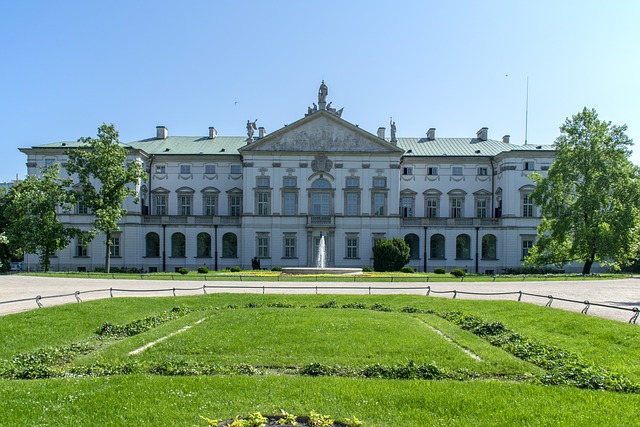
Palac Rzeczypospolitej
Palac Rzeczypospolitej is a refined baroque palace in Warsaw’s city center, celebrated for its elegant façade and ornate interior halls . Originally built in the 18th century for the powerful Krasinski family, the palace was later home to the Rzeczpospolita Library , containing priceless Polish manuscripts and rare books. The library’s reading room was a favorite haunt of scholars and poets, including Adam Mickiewicz. Today, visitors admire the ballroom's crystal chandeliers , frescoes, and antique woodwork. The palace is surrounded by tranquil gardens, and occasional classical concerts echo through its marbled corridors. Few realize that hidden below the palace are ancient cellars once used as war shelters, now restored for art installations. The Palace is a monument to both the city’s literary history and its ongoing commitment to culture and knowledge.
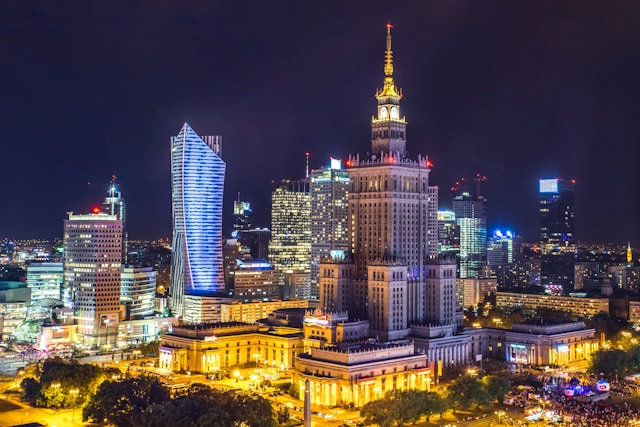
Palace of Culture and Science
The Palace of Culture and Science, a gift from the Soviet Union in 1955 , is Warsaw's tallest building and a striking example of socialist realism . Its imposing façade and spire dominate the skyline, while inside are theaters, museums, a swimming pool, and Poland’s oldest multiplex cinema. The 30th-floor observation deck offers panoramic views over the city, especially beautiful at sunset. Each year, the building hosts the Warsaw Film Festival and New Year’s Eve celebrations. Legends swirl about secret tunnels and mysterious cats said to inhabit the upper levels. A little-known feature is the Golden Hall , used for high-profile government events. In recent years, the building has become an icon of Warsaw’s transformation, surrounded by modern skyscrapers and buzzing nightlife. It’s both a symbol of resilience and a living part of the city’s creative energy.
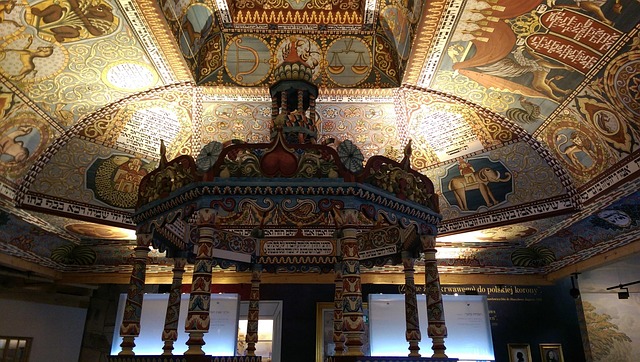
Polin Museum
The Polin Museum of the History of Polish Jews stands on the site of the former Warsaw Ghetto, tracing a millennium of Jewish life in Poland. Its award-winning architecture , designed by Rainer Mahlamaki , features a luminous glass façade symbolizing hope and openness. The Core Exhibition uses immersive multimedia, interactive displays, and authentic artifacts to tell stories from the Middle Ages to contemporary times. Highlights include the reconstruction of a 17th-century wooden synagogue and galleries devoted to Jewish festivals, traditions, and resistance. The museum also hosts temporary art installations, concerts, and public debates. Outside, the Monument to the Ghetto Heroes stands as a poignant tribute to resilience. Few know the building’s main hall is inspired by the biblical crossing of the Red Sea, symbolizing survival and new beginnings. The Polin Museum is not just a repository of history, but a living cultural center connecting past and present, memory and renewal.
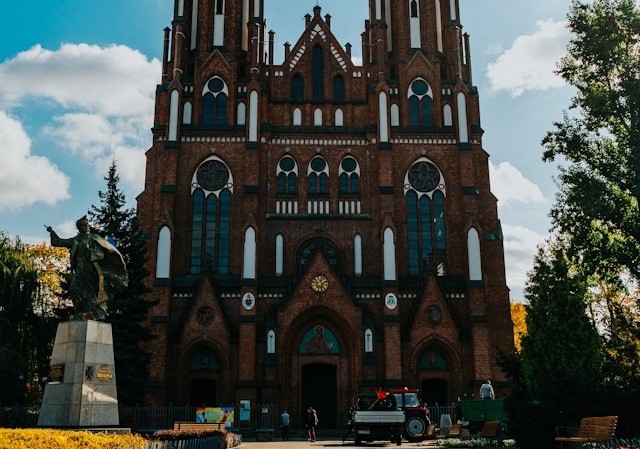
Praga District
The Praga District, located on the right bank of the Vistula River , is Warsaw's trendiest area, famed for its authentic pre-war architecture and vibrant arts scene. Formerly industrial, Praga has transformed into a creative hub filled with street art , quirky cafes, and music clubs. The Soho Factory complex hosts art galleries, theaters, and the Neon Museum, while the historic St. Florian's Cathedral towers over cobbled streets. Visitors are often surprised by the district's mix of old factories and modern lofts, or the Vodka Museum housed in a former distillery. A little-known gem is the bazaar at Targowa Street, a treasure trove of antiques and vintage finds. Local legend has it that Praga’s courtyards hide mysterious shrines and murals commemorating community stories. Today, Praga District pulses with youthful energy, drawing in locals and travelers looking for Warsaw’s creative soul.
Royal Castle
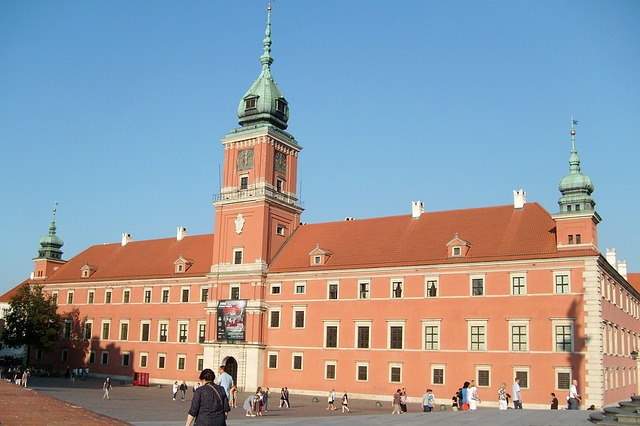
The Royal Castle in Warsaw rises majestically at the entrance to the Old Town, once serving as the official residence of Polish monarchs . Painstakingly rebuilt after World War II destruction, its opulent Great Assembly Hall and the Throne Room have hosted centuries of state ceremonies. The castle's interiors gleam with original tapestries, period furnishings, and priceless artworks. The famed Canaletto Room displays cityscapes that aided postwar reconstruction. Underneath, remnants of medieval fortifications remind visitors of Warsaw's turbulent past. The castle museum offers rotating exhibitions, while the gardens provide panoramic views of the Vistula River. A lesser-known secret is the hidden Chapel of the Relics , containing rare royal artifacts. Evening illuminations cast a golden glow on the façade, making it a magnet for photographers. Today, the Royal Castle stands as a symbol of resilience and a living testament to Poland's royal heritage and cultural pride.
Warsaw University Library Gardens
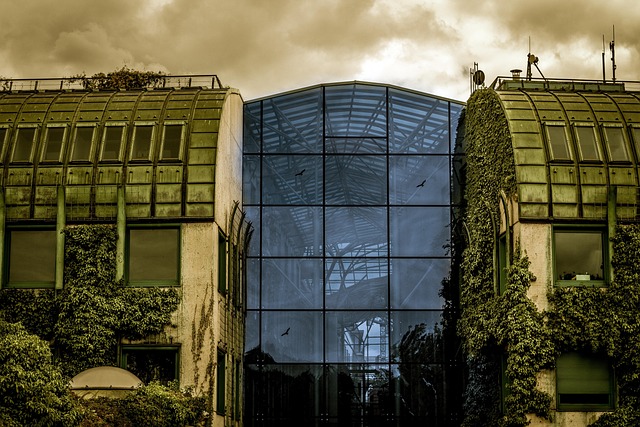
The Warsaw University Library Gardens offer a unique blend of contemporary design and urban nature. Built atop the university library, the gardens are divided into four thematic zones: golden, silver, crimson, and green . Visitors wander among lush lawns, flowering vines, and geometric water features, all with sweeping views of the Vistula River and Warsaw's skyline. The rooftop bridges science and art, and is a favorite with students, botanists, and photographers. In spring and summer, the gardens bloom with rare alpine plants and butterflies. The glass-walled reading rooms below create a fusion of intellect and landscape. Local beekeepers manage urban hives in the garden, producing unique city honey. Nighttime illumination transforms the gardens into a magical city oasis. Few know that the structure was one of Europe’s earliest large-scale green roofs, inspiring similar projects worldwide.