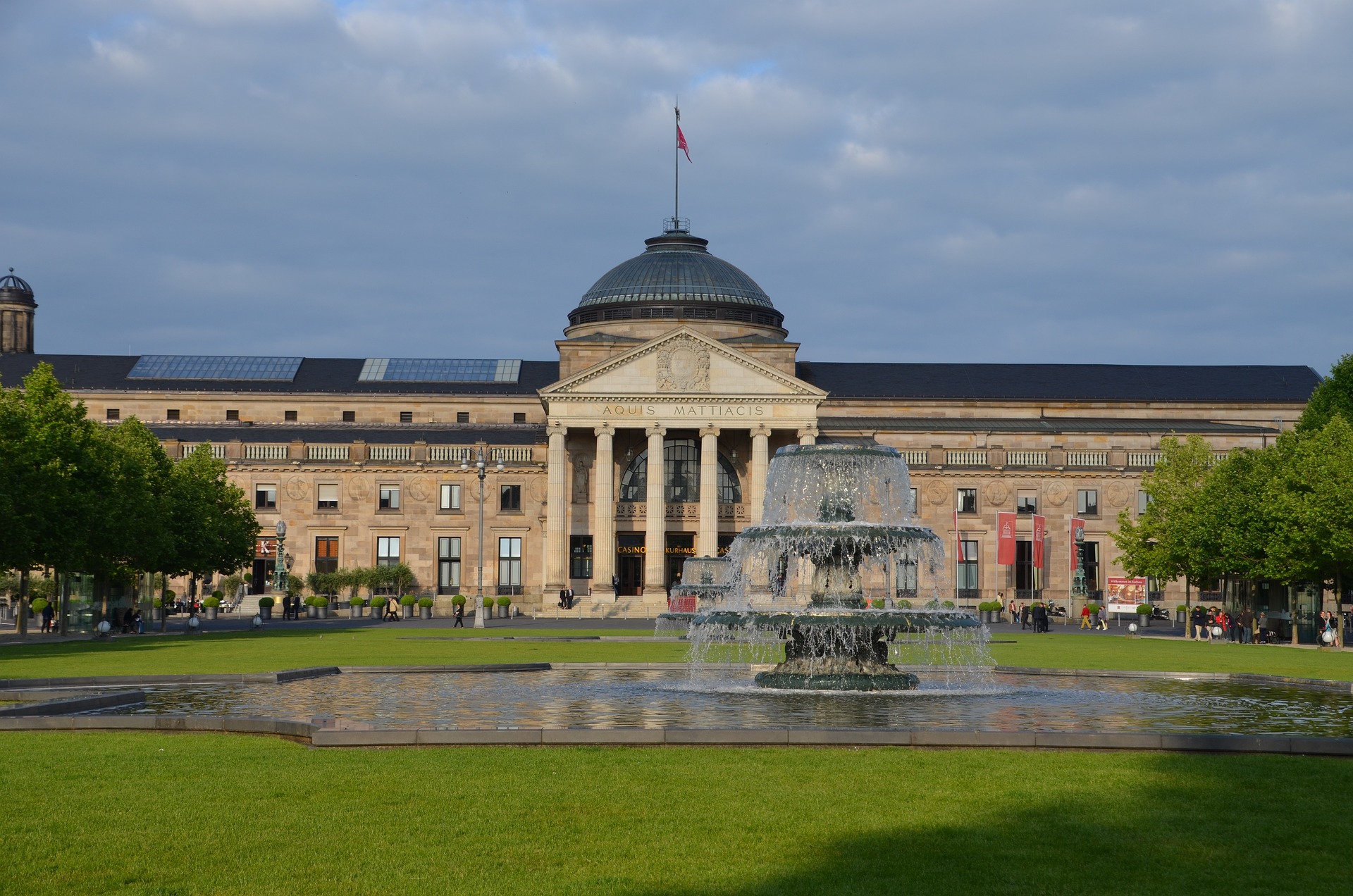

City view of Wiesbaden, Germany

Wiesbaden

Wiesbaden, the capital of Hesse, is known for its elegant architecture and status as a spa town. The city boasts numerous thermal baths and luxurious resorts, reflecting its history as a destination for wellness. The Kurhaus, a grand neoclassical building, serves as the city's cultural center and casino. Wiesbaden's scenic parks and gardens provide tranquil settings for relaxation. The Nerobergbahn, a funicular railway, offers views over the city from Neroberg Hill. Wiesbaden's old town features boutique shops and traditional cafes. The blend of wellness, culture, and natural beauty makes Wiesbaden a sought-after destination.

Top attractions & things to do in Wiesbaden

If you’re searching for the best things to do in Wiesbaden, this guide brings together the top attractions and must-see places to visit in Wiesbaden. The top picks below highlight the most visited sights for first-time visitors, plus a few local favorites worth adding.

Biebrich Palace in Wiesbaden, Germany

Biebrich Palace

Biebrich Palace is a stunning baroque-style palace located on the banks of the Rhine River in Wiesbaden. Built in the early 18th century, this grand building was once the residence of the Dukes of Nassau and later the Grand Dukes of Hesse. The palace features beautifully manicured gardens, ornate facades, and impressive interiors, with rooms that reflect the opulence of the era. The surrounding parkland, which stretches down to the river, provides visitors with a peaceful place to walk and enjoy the view of the Rhine. The palace is also home to the Hessian State Archives, and while the interior is not always open to the public, visitors can still admire the architecture and explore the expansive grounds. Biebrich Palace is a must-see attraction for history and architecture enthusiasts, offering a glimpse into the royal past of Wiesbaden.
Ads place
Ads place
Ads place
Ads place
Ads place
Kochbrunnen in Wiesbaden, Germany

Kochbrunnen

The Kochbrunnen is one of Wiesbaden's most famous natural springs and a prominent landmark in the city. The spring, which has been known for its therapeutic properties since Roman times, is located in the heart of Wiesbaden's spa district. The water, rich in minerals, flows from a historic fountain that has been beautifully designed with baroque-style architecture. Visitors can taste the warm, sulfur-rich water, which is said to have healing properties for a variety of ailments. The area surrounding the Kochbrunnen is home to several elegant spa hotels and wellness centers, offering a relaxing atmosphere for those seeking a rejuvenating experience. The Kochbrunnen remains a symbol of Wiesbaden's long history as a spa town and is a must-see for visitors interested in the city's thermal heritage.
Ads place
Ads place
Ads place
Ads place
Ads place
Kurhaus Wiesbaden in Wiesbaden, Germany

Kurhaus Wiesbaden

The Kurhaus Wiesbaden is one of the most iconic buildings in the city, known for its grandiose neoclassical architecture and historical significance. Built in the 19th century, the Kurhaus served as a luxurious spa resort for aristocrats and has remained a symbol of elegance and wealth in Wiesbaden. The building features a large ballroom, ornate interiors, and a beautiful colonnade that overlooks the Kurpark, a vast green space with fountains and tranquil gardens. Visitors to the Kurhaus can explore its stunning architecture, attend cultural events in its concert hall, or relax in the adjoining casino, which is one of the oldest in Germany. The Kurhaus remains a popular venue for cultural events, concerts, and performances, making it a must-see destination for those visiting Wiesbaden.
Ads place
Ads place
Ads place
Ads place
Ads place
Nerobergbahn in Wiesbaden, Germany

Nerobergbahn

The Nerobergbahn is a funicular railway in Wiesbaden, offering one of the most picturesque rides in the city. Built in 1888, this historic funicular ascends the Neroberg, a hill that offers panoramic views of Wiesbaden and the surrounding area. The journey to the top is an unforgettable experience, as passengers are treated to scenic views of the city, the nearby forests, and the beautiful Rhine River. At the summit, visitors can explore the Neroberg Temple, a small Greek-style temple that stands as a symbol of Wiesbaden's cultural heritage. The hilltop also features lush green spaces, walking trails, and a monument dedicated to the Russian soldiers who died during World War II. The Nerobergbahn offers a perfect blend of history, nature, and breathtaking views, making it a must-see attraction in Wiesbaden.
Ads place
Ads place
Ads place
Ads place
Ads place
Wilhelmstrasse in Wiesbaden, Germany

Wilhelmstrasse

Wilhelmstrasse is one of Wiesbaden's most famous streets, lined with historic buildings, luxury boutiques, cafes, and theaters. Known for its grand architecture and elegant atmosphere, Wilhelmstrasse has been a central part of Wiesbaden's social and cultural life since the 19th century. The street is home to some of the city's most prestigious establishments, including the Hessian State Theater and several historic hotels. Visitors can stroll along the boulevard, enjoy the vibrant atmosphere, or stop for a coffee at one of the charming cafes. In addition to its cultural attractions, Wilhelmstrasse is also known for its annual Christmas markets and other seasonal events that bring both locals and tourists to the area. The street offers a perfect blend of history, culture, and modern-day leisure, making it a prime destination in Wiesbaden.
Ads place
Ads place
Ads place
Ads place
Ads place