
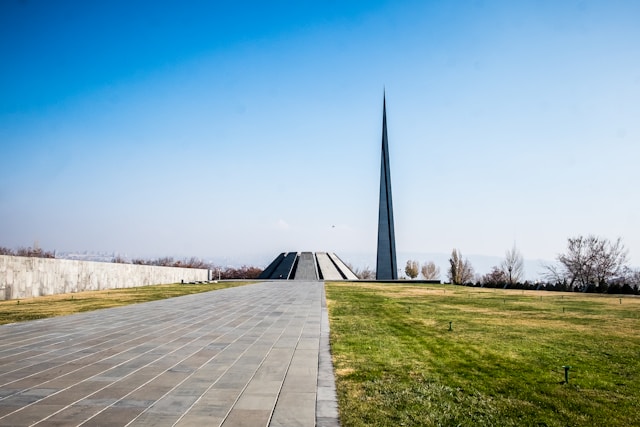
Tsitsernakaberd (Armenian Genocide Memorial Complex)
In Yerevan, Armenia .
More places to visit in Yerevan
Discover more attractions and things to do in Yerevan.
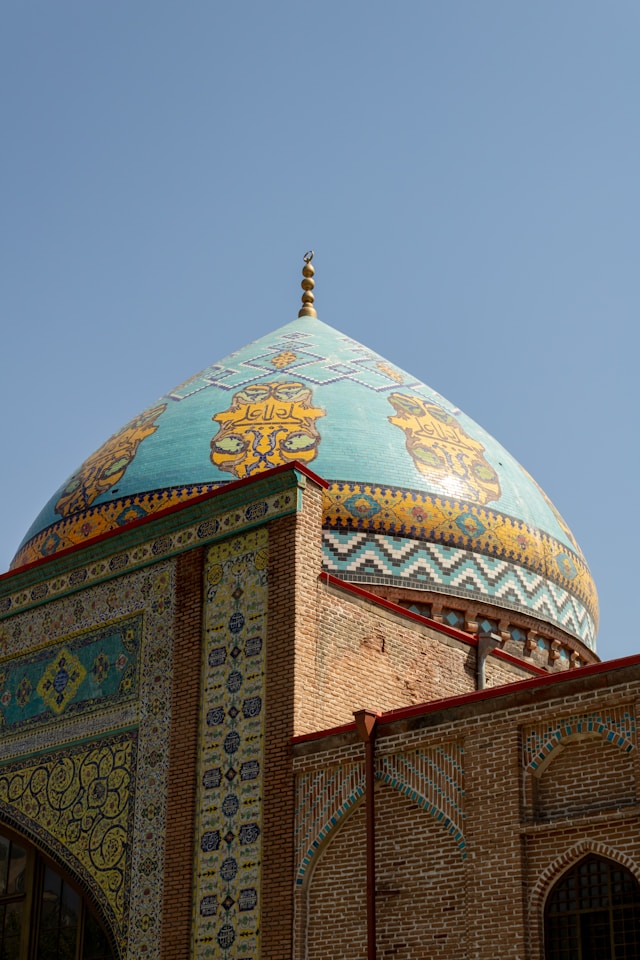
Blue Mosque (Gök Jami)
The Blue Mosque is Yerevan's only active mosque and one of the few remnants of the city's Persian past. Built in the 18th century under the reign of Persian ruler Hussein Ali Khan , the mosque is a stunning example of Islamic architecture , with its striking blue-tiled dome and intricate calligraphy. Located on Mashtots Avenue, the mosque sits within a tranquil garden and features a library and a central prayer hall. Though it was closed during the Soviet period , it was reopened and restored in the 1990s. Today, it serves not only as a place of worship for Yerevan's Muslim population but also as a cultural bridge, symbolizing the city's historical connections with its Persian heritage. The mosque's minaret leans slightly due to a 19th-century earthquake, earning it the nickname " Yerevan's Pisa ." Restoration workers recently discovered a hidden chamber beneath the courtyard containing 18th-century Qurans and Persian poetry manuscripts.
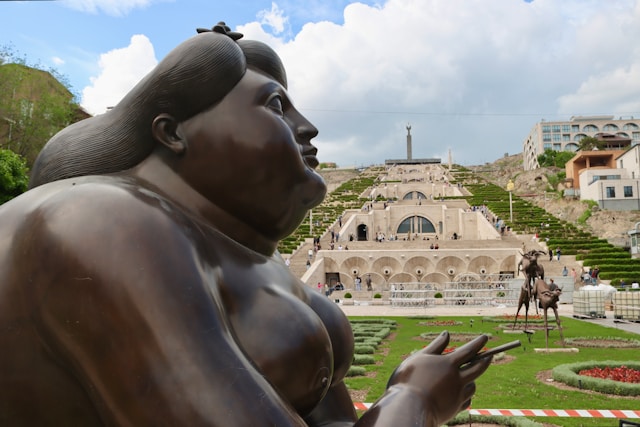
Cascades Complex
The Cascades is one of Yerevan's most iconic landmarks, a massive stairway structure connecting downtown Yerevan to the Monument neighborhood. Built in the 1970s and 80s , this modernist structure is both a park and an open-air museum, adorned with fountains, sculptures, and landscaped gardens. As visitors ascend the steps, they are treated to incredible views of Yerevan and Mount Ararat in the distance. The Cascades also houses the Cafesjian Center for the Arts , a museum featuring contemporary art exhibitions. Whether for a leisurely walk, art exploration, or a workout, the Cascades offer a unique blend of culture, nature, and stunning views. The complex contains a hidden Fernando Botero sculpture of a cat, gifted by the Colombian artist during his 2015 Yerevan exhibition. During winter, the upper terraces transform into an ice sculpture gallery, illuminated by LED lights synchronized to traditional Armenian music.
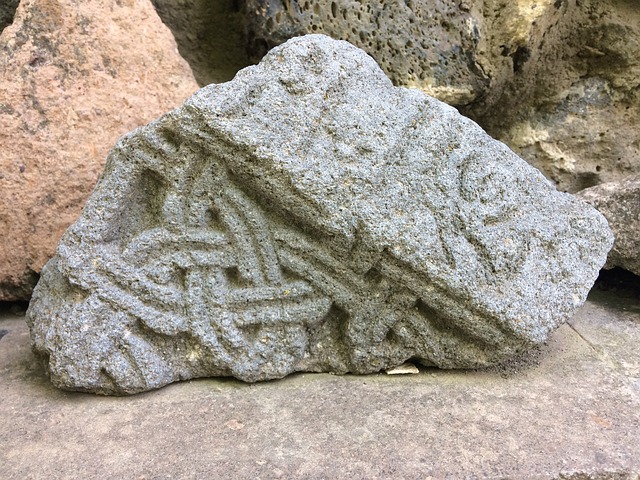
Erebuni Fortress
Erebuni Fortress is the archaeological site of an ancient Urartian city , founded in 782 BC by King Argishti I . Located on Arin Berd hill on the outskirts of Yerevan, the fortress is considered the birthplace of the city, with Yerevan deriving its name from Erebuni. The site features the ruins of palace walls, temples, and fortifications, as well as intricate frescoes and inscriptions in cuneiform . The Erebuni Museum , located at the base of the hill, displays artifacts unearthed from the site, offering insight into the daily life, religion, and military strategies of the Urartians. A visit to Erebuni provides a fascinating journey into Yerevan's ancient origins. Archaeologists found a wine cellar with 2,800-year-old grape seeds , evidence of the world's earliest known large-scale wine production. The fortress's main gate still bears Argishti's inscription: " By the greatness of Khaldi, I built this mighty fortress ," referencing the Urartian supreme god.
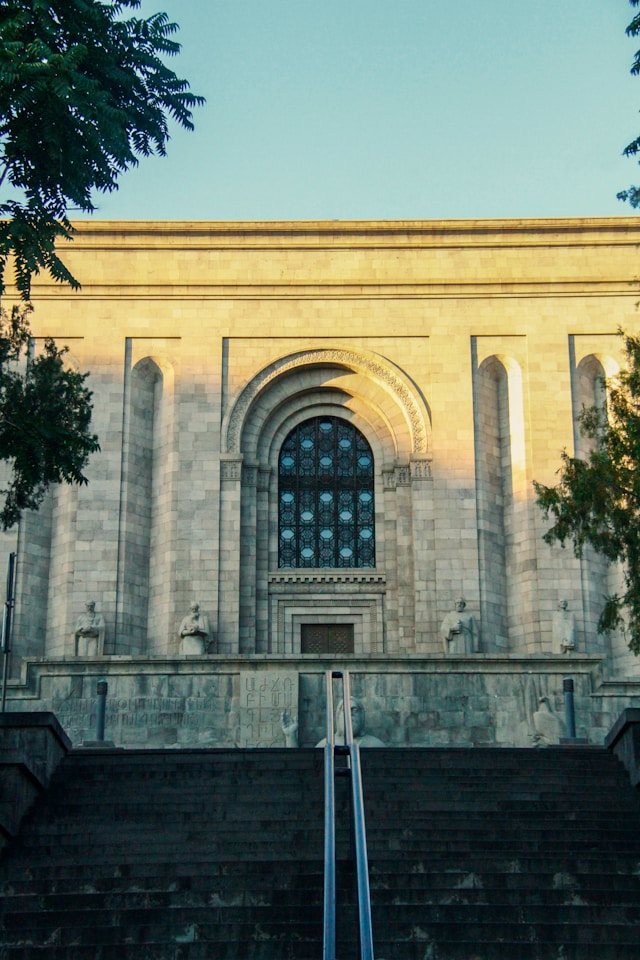
Matenadaran (Mesrop Mashtots Institute of Ancient Manuscripts)
The Matenadaran is one of the world's richest depositories of ancient manuscripts and a symbol of Armenia's deep literary and scholarly traditions. Established in 1959, this institute houses over 17,000 manuscripts covering a wide range of subjects, from history and philosophy to medicine and astronomy. Many of these manuscripts date back to the 5th century and are written in Armenian, Greek, Arabic, and other ancient languages. The Matenadaran's grandiose stone building, located at the top of Mesrop Mashtots Avenue, features statues of key Armenian scholars, including Mesrop Mashtots , the inventor of the Armenian alphabet . Inside, visitors can explore exhibits detailing the history of Armenian script, illuminated manuscripts, and the preservation of knowledge through centuries of turmoil. One manuscript, the Mush Homiliary , weighs 27.5 kg and was carried on the backs of two priests during the Armenian Genocide to save it from destruction. The building's ventilation system mimics ancient monastic storage techniques, maintaining a constant 18°C to preserve delicate parchment.
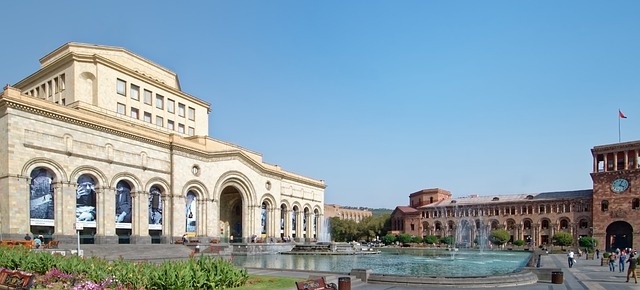
Republic Square
Republic Square is the central landmark of Yerevan and a focal point of the city's cultural and political life. Designed by architect Alexander Tamanian in the 1920s , the square is surrounded by grand, neoclassical buildings made of pink and yellow tuff stone , creating a stunning architectural ensemble. The square is home to the History Museum of Armenia , the National Gallery, and several government buildings. The centerpiece of Republic Square is its musical fountain , which comes alive with colorful lights and choreographed water displays in the evenings. Republic Square is a vibrant spot where locals and tourists gather for public events, concerts, and celebrations, especially on Armenian Independence Day and New Year's Eve. Beneath the square lies a network of Soviet-era bunkers , once intended for government use during the Cold War. The tuff stone used in the buildings contains fossilized remains of prehistoric plants, visible upon close inspection of the facades.
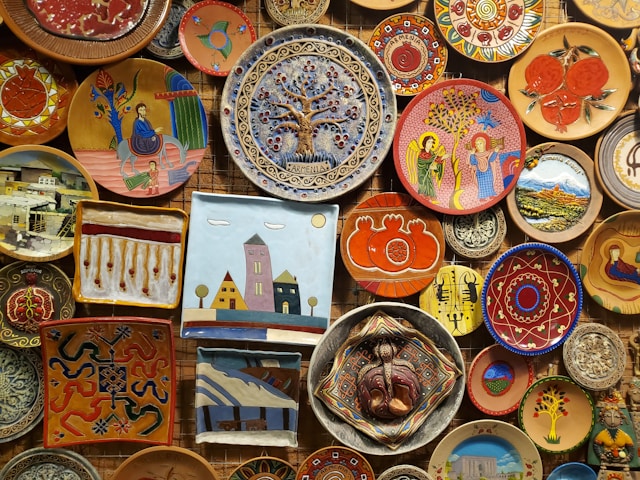
Vernissage Market
Vernissage Market is Yerevan's largest outdoor art and craft market, located near Republic Square. Open on weekends, the market is a vibrant space where local artisans, craftsmen, and vendors sell a wide array of traditional Armenian goods, including handmade carpets , jewelry, wood carvings, ceramics, and paintings. Visitors can find everything from antiques and Soviet-era memorabilia to contemporary art. Vernissage is the perfect place to buy authentic Armenian souvenirs, while also engaging with local culture and artisanship. The market's lively atmosphere and the diversity of goods on offer make it a highlight for tourists seeking a piece of Armenia to take home. A hidden stall near the northern end sells miniature Armenian khachkars (cross-stones) carved from obsidian mined near Mount Aragats. In 2019, a rare 17th-century Armenian illuminated gospel was discovered among stacks of Soviet posters, later authenticated and donated to the Matenadaran.
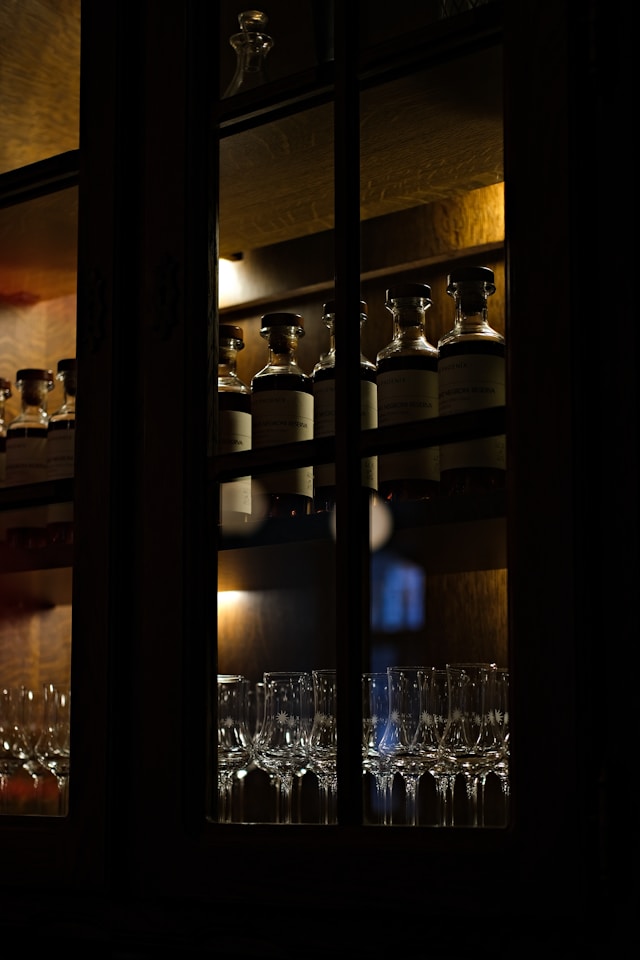
Yerevan Brandy Company (Ararat Brandy Factory)
Yerevan Brandy Company , often referred to as the Ararat Brandy Factory , is a must-visit for lovers of fine spirits. Established in 1887 , it is world-famous for producing Ararat brandy, a beverage that has become synonymous with Armenian craftsmanship. The factory offers guided tours that take visitors through the history of Armenian brandy production, showcasing the aging process in oak barrels and ending with a tasting session of some of the finest Armenian brandies. The factory's beautiful location overlooking the Hrazdan River gorge , combined with the rich flavors and history of the brandy, make this a unique cultural and culinary experience. Winston Churchill famously ordered 400 bottles annually of their Dvin brandy during WWII, calling it "the only liquid that makes the Cold War bearable." The oldest barrel in the cellar dates to 1887 and is tapped only once a decade to blend with new reserves for limited-edition batches.
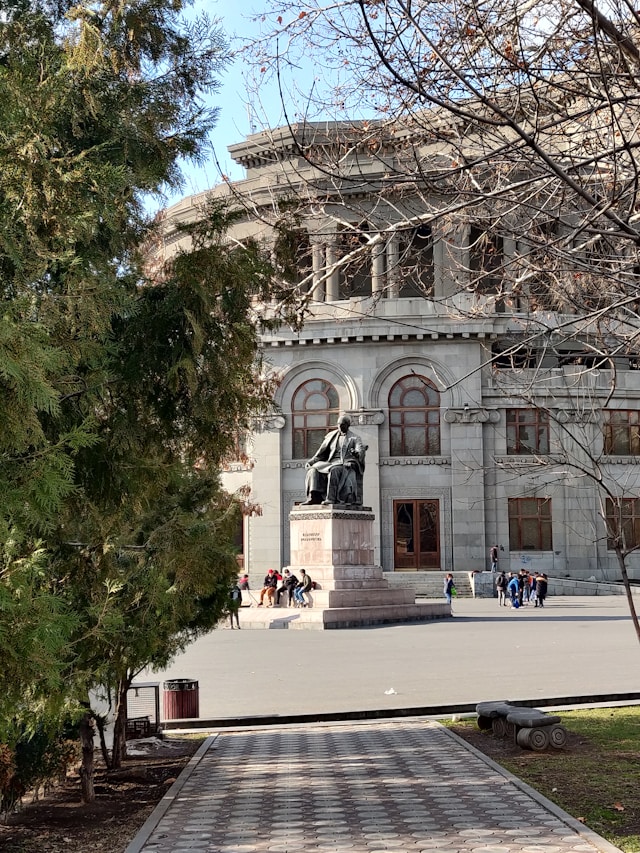
Yerevan Opera Theatre
The Yerevan Opera Theatre is one of the most prestigious cultural institutions in Armenia. Designed by renowned architect Alexander Tamanian and completed in 1933 , the building is an architectural masterpiece that combines classical and Soviet elements. The Opera Theatre is home to the Armenian National Opera and Ballet Theatre and regularly hosts performances of both classical and contemporary works. The building's large circular form is complemented by a spacious park area where locals often gather. Whether you attend a performance or simply admire the building from outside, the Yerevan Opera Theatre is a cultural jewel in the heart of the city. The theater's chandelier, weighing over 1.5 tons, was smuggled out of Nazi Germany in 1941 by Armenian diplomats. Beneath the stage lies a secret underground lake , once used to create realistic water effects during Soviet-era productions of "Swan Lake."

Zvartnots Cathedral (Zvartnots Temple)
Located just outside Yerevan, the ruins of Zvartnots Cathedral are one of the most significant archaeological sites in Armenia. Built in the 7th century , Zvartnots was an architectural marvel of its time, with its circular, multi-tiered structure symbolizing the divine order. The cathedral was destroyed in the 10th century, likely by an earthquake, but its remains continue to inspire awe with their intricate stone carvings and grand scale. The site is now part of a UNESCO World Heritage listing, along with the nearby Etchmiadzin Cathedral. Visitors can explore the ruins, which offer a breathtaking backdrop with Mount Ararat visible in the distance, making it a perfect day trip from Yerevan. The cathedral's unique design influenced medieval Armenian architecture, including the circular plan of the Church of St. Hripsime . Recent laser scans revealed hidden underground chambers believed to have stored relics of St. Gregory the Illuminator , Armenia's patron saint.