
City view of Zabljak, Montenegro

Zabljak

Zabljak is Montenegro’s wild heart and high-altitude playground, perched on the edge of the awe-inspiring Durmitor National Park. Here, pine forests march up rugged peaks, and crystal-clear lakes reflect a sky so blue it almost doesn’t look real. Zabljak’s air is brisk, the cheese is homemade, and the hiking trails range from family-friendly strolls to adrenaline-charged mountain adventures. In summer, wildflowers and berries carpet the meadows, while winter transforms the landscape into a powdery wonderland for skiers and snowboarders. The legendary Black Lake is just a short stroll from town, where locals gather to picnic, paddle, or swap stories about Durmitor’s mythical wolves and hidden caves. Rustic restaurants serve up hearty mountain fare—think slow-cooked lamb and wild mushroom stew—with a glass of rakija to warm the soul. Whether you crave silence among ancient spruce trees or the thrill of whitewater rafting, Zabljak is nature’s invitation to experience Montenegro at its wildest and most unforgettable.

Top attractions & things to do in Zabljak

If you’re searching for the best things to do in Zabljak, this guide brings together the top attractions and must-see places to visit in Zabljak. The top picks below highlight the most visited sights for first-time visitors, plus a few local favorites worth adding.

Black Lake (Crno Jezero) in Zabljak, Montenegro

Black Lake (Crno Jezero)

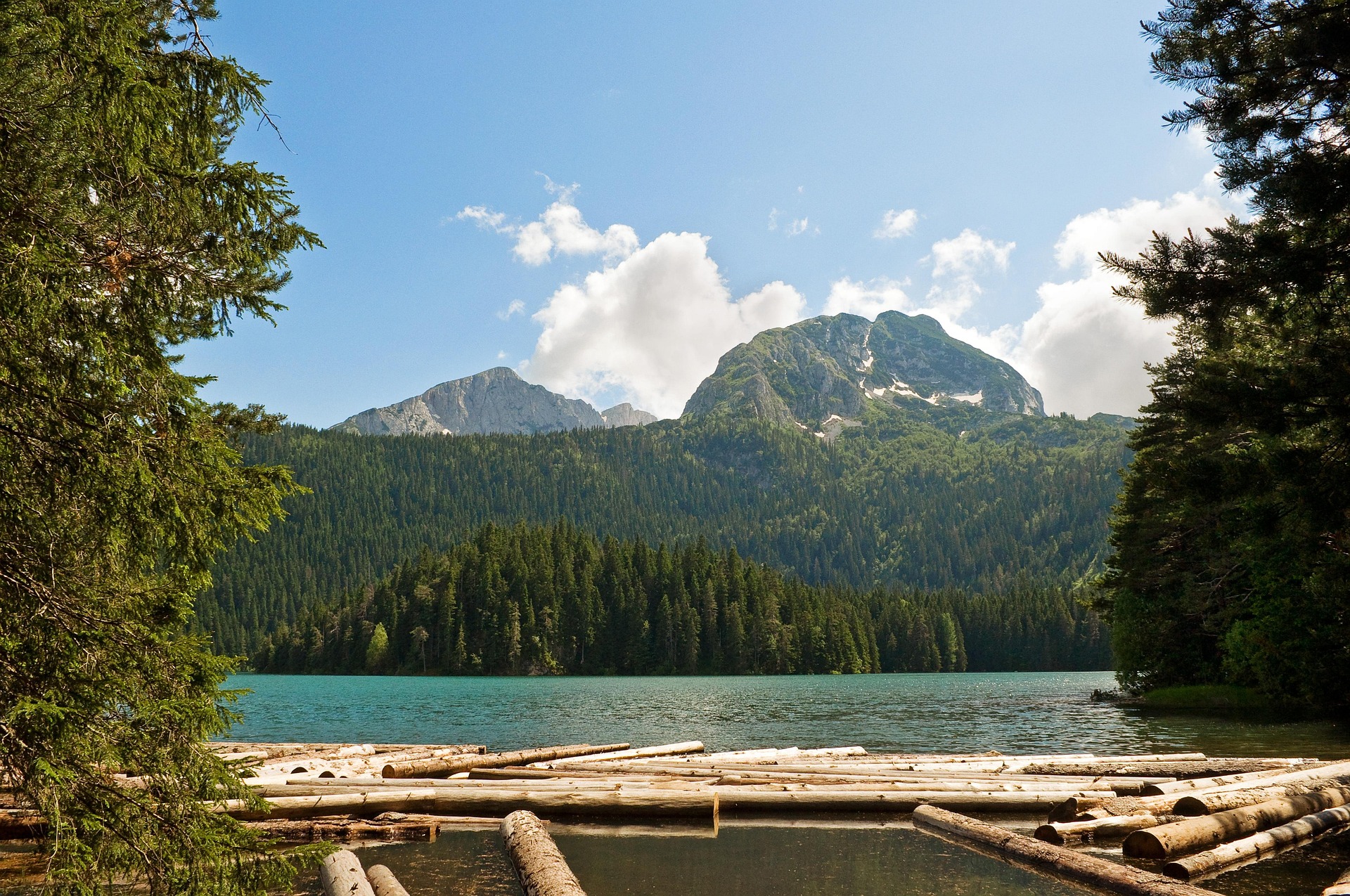
Black Lake, known locally as Crno Jezero, is a shimmering alpine jewel nestled beneath the towering slopes of Durmitor. Formed by melting glaciers thousands of years ago, the lake is famous for its dramatic color shifts—from emerald green to deep midnight blue—depending on the light and season. Surrounded by dense pine forests and wild blueberry bushes, Black Lake is the starting point for most hiking adventures in the park. It sits at an altitude of 1,416 meters, often shrouded in early morning mist, and was once believed by locals to be home to ancient spirits. In summer, visitors rent rowboats and picnic on its tranquil shores, while winter brings magical scenes of ice and snow. The nearby eco-trails reveal hidden springs and panoramic vistas. Black Lake is beloved not just for its haunting beauty but also as a symbol of Montenegro’s wild mountain heart. Each visit reveals a new side, whether the surface is glass-calm or alive with ripples from a passing breeze.
Ads place
Ads place
Ads place
Ads place
Ads place
Djurdjevica Tara Bridge in Zabljak, Montenegro

Djurdjevica Tara Bridge

Djurdjevica Tara Bridge arches dramatically over the turquoise Tara River, connecting two forested ridges at an impressive height of 172 meters. Completed in 1940, it was once the highest concrete arch bridge in Europe and played a pivotal role during World War II when partisans destroyed one arch to halt advancing armies. Today, the bridge is a magnet for daredevils and romantics alike: bungee jumpers leap from its railings, while couples stroll across to admire views of the Tara Canyon below. Its five elegant arches have become a symbol of engineering and resilience, featured in films and countless photographs. Local guides regale visitors with stories of its dramatic wartime sabotage and secret escapes. The bridge’s viewing platforms offer breathtaking perspectives in every season, from snow-dusted peaks to riotous autumn forests. Nearby zipline adventures let you soar beside the structure, experiencing the canyon’s scale firsthand.
Ads place
Ads place
Ads place
Ads place
Ads place
Durmitor National Park in Zabljak, Montenegro

Durmitor National Park

High in the Montenegrin mountains, Durmitor National Park captivates adventurers and nature lovers with its jagged peaks, glacial lakes, and sprawling forests. Established as a protected area in 1952, Durmitor is now a UNESCO World Heritage Site thanks to its unique biodiversity and striking geology. The park’s centerpiece is Bobotov Kuk, rising to 2,523 meters, offering panoramas that stretch all the way to Albania. The mysterious Black Lake (Crno Jezero) is famed for its color-changing waters and local legends of ancient dragons. In winter, these slopes transform into Montenegro’s top ski destination, while summer invites hikers to explore over 48 peaks above 2,000 meters. Each trail feels steeped in myth—shepherds once believed fairies dwelled among the wildflowers. Wolves, bears, and eagles still roam freely here, making every visit a true alpine adventure. Evenings by the lake are a tradition for stargazers, as the thin mountain air makes the Milky Way seem almost within reach.
Ads place
Ads place
Ads place
Ads place
Ads place
Savin Kuk Ski Resort in Zabljak, Montenegro

Savin Kuk Ski Resort

Savin Kuk Ski Resort is Zabljak’s winter wonderland, perched at an altitude of 2,313 meters and offering some of the Balkans’ best alpine thrills. Its slopes are framed by the rugged peaks of Durmitor, and the longest run stretches for over 3,500 meters. The resort is famous for its deep powder snow and panoramic vistas, making it a favorite for both seasoned skiers and beginners since its establishment in 1982. In summer, the lifts whisk hikers and paragliders up to scenic trails and wildflower meadows. Old tales claim that Savin Kuk was named for a hermit monk who once lived in a nearby cave, blessing travelers on their journeys. Cafés at the base serve hot mulled wine, while mountain lodges offer traditional Montenegrin dishes. Every turn here promises both adrenaline and the serenity of endless sky, as the sun sets behind snowy summits.
Ads place
Ads place
Ads place
Ads place
Ads place
Tara River Canyon in Zabljak, Montenegro

Tara River Canyon

Carved over millennia, the Tara River Canyon is Europe’s deepest, plunging to over 1,300 meters and running for a wild 82 kilometers through rugged limestone and pine forests. The mighty Tara River is nicknamed the 'Tear of Europe' for its pristine, drinkable waters and is a UNESCO-protected site since 1977. Adventure seekers flock here for world-class whitewater rafting, navigating rapids beneath the dramatic Djurdjevica Tara Bridge, an engineering marvel completed in 1940. Local lore speaks of hidden caves used by outlaws and monks alike, while eagles soar above and otters play along the banks. The canyon’s remote villages maintain ancient traditions, and in summer, wildflowers color the meadows with a painter’s palette. Each twist in the river unveils new panoramas, thrilling explorers and photographers. Evenings echo with the calls of owls, reminding you that this is true wilderness—untamed, exhilarating, and unforgettable.
Ads place
Ads place
Ads place
Ads place
Ads place