
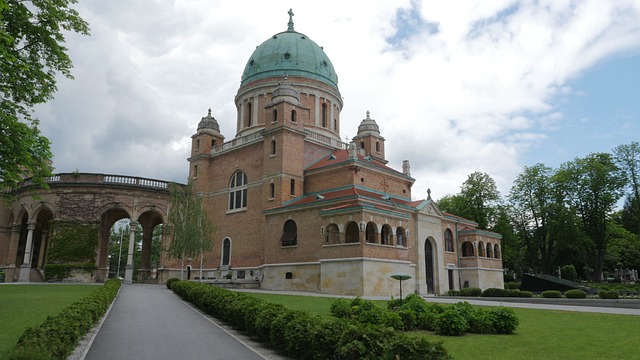
Mirogoj Cemetery
In Zagreb, Croatia .
More places to visit in Zagreb
Discover more attractions and things to do in Zagreb.
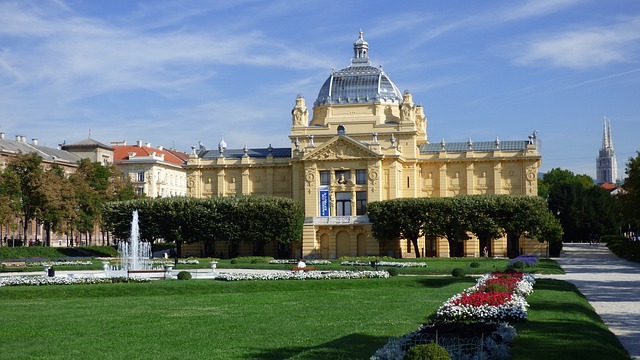
Art Pavilion
The Art Pavilion in Zagreb is a stunning building that hosts temporary art exhibitions and cultural events . Located in King Tomislav Square , the pavilion was built in 1898 and is one of the oldest exhibition spaces in Southeast Europe . The building itself is a masterpiece of Art Nouveau architecture , with a beautiful glass roof that allows natural light to flood the interior. The pavilion hosts a variety of exhibitions, from classical paintings to contemporary art, making it a hub for cultural and artistic activities in the city. The surrounding square and gardens create a tranquil setting, perfect for a leisurely stroll. The pavilion's dome features a fresco by Vlaho Bukovac, a pioneer of Croatian modernism. Nighttime projections illuminate the facade with rotating digital art displays. A hidden basement gallery showcases avant-garde installations by emerging Balkan artists.
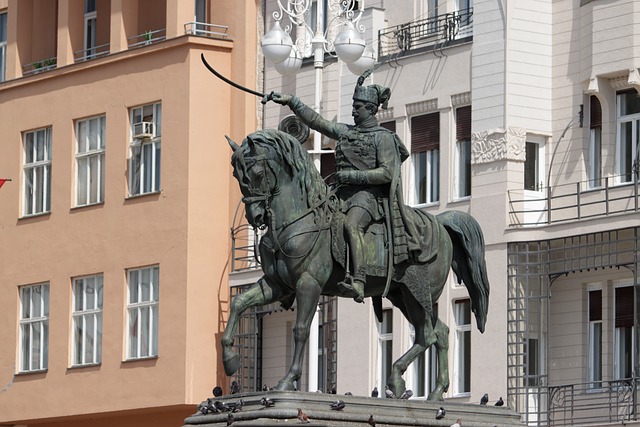
Ban Jelacic Square
Ban Jelacic Square, located in the center of Zagreb, is the city's main hub and a popular meeting point for both locals and tourists. Named after the 19th-century governor , Josip Jelacic, the square features his statue mounted on a horse, a symbol of Croatian independence and unity . The square is surrounded by historic buildings with beautiful facades, and it hosts numerous events, markets, and festivals throughout the year. It is a lively area where visitors can experience the city's vibrant atmosphere, with many shops, cafes, and restaurants nearby. Whether it's enjoying a coffee at a terrace or exploring nearby streets, Ban Jelacic Square is the pulse of Zagreb's urban life. The square's underground Roman ruins are visible through glass panels in the pavement. A daily noon cannon fired from Lotršcak Tower commemorates Zagreb's medieval defenses. The square's neoclassical architecture includes the iconic Manduševac Fountain, fed by a natural spring.
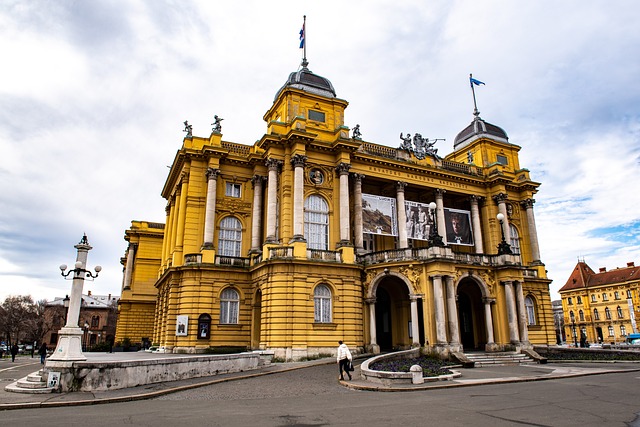
Croatian National Theatre
The Croatian National Theatre in Zagreb is an architectural and cultural gem , known for its stunning Baroque Revival design . Opened in 1895 , the building has hosted countless opera, ballet, and theatre performances , making it a central institution for the arts in Croatia. Its grand facade, adorned with sculptures and decorative elements , draws visitors interested in both architecture and performing arts. Inside, the theatre boasts a richly decorated interior with a spacious auditorium that creates an elegant setting for its world-class performances . Attending a show or simply visiting the building is a way to experience Zagreb's cultural heritage at its finest. The ceiling fresco, painted by Vienna Secession artist Alexander Demetrius Goltz, depicts allegories of Drama and Music. Backstage tours reveal century-old costumes and props from legendary productions. The theatre's chandelier, weighing 1.2 tons, is lit by 260 hand-blown glass bulbs.
Dolac Market
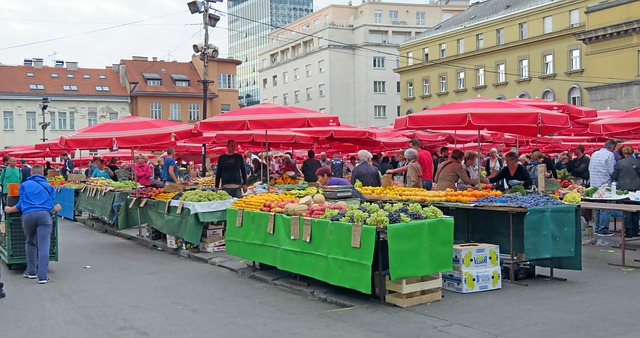
Dolac Market is Zagreb's largest and most famous open-air market , located just steps away from Ban Jelacic Square. Known as the 'belly of Zagreb' , this market has been serving locals with fresh produce, flowers, and artisanal goods for over 80 years. The vibrant stalls are filled with colorful fruits, vegetables, cheeses, and meats, making it a food lover's paradise. Vendors, many of whom have passed down their trade through generations, offer a friendly and authentic experience for visitors. The upper section of the market is dedicated to fresh fruits and vegetables , while the lower, covered section offers dairy products and meats . It's an essential stop to experience the local culture. Early mornings reveal farmers from nearby villages selling organic honey and homemade rakija (fruit brandy). The market's iconic red umbrellas have become a symbol of Zagreb's culinary identity. Cooking workshops teach visitors to prepare traditional dishes like štrukli and zagrebacki odrezak.
Jarun Lake
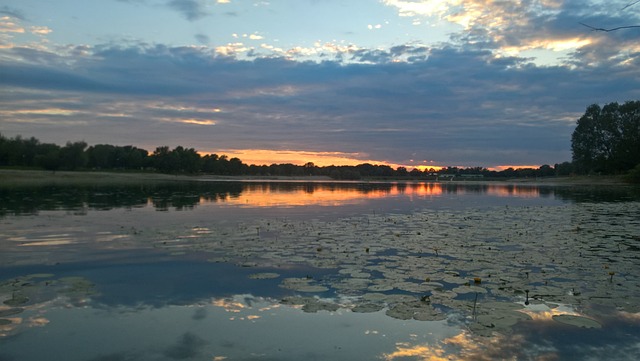
Jarun Lake is a popular recreational area in Zagreb, known for its clear waters and surrounding green spaces. The lake offers a variety of activities, including swimming, rowing, cycling, and jogging , making it a favorite spot for both locals and tourists seeking outdoor fun. Along its shores, there are numerous cafes, bars, and sports facilities , creating a vibrant atmosphere. Jarun also hosts music festivals and events throughout the year, turning the area into a lively entertainment hub. Whether you're looking for relaxation or adventure, Jarun Lake provides a perfect escape with its natural beauty and dynamic environment. The lake's Blue Flag certification guarantees high water quality and environmental standards. A floating stage on the lake hosts summer opera performances. Sunset kayak tours offer views of the city skyline reflected in the water.
Maksimir Park
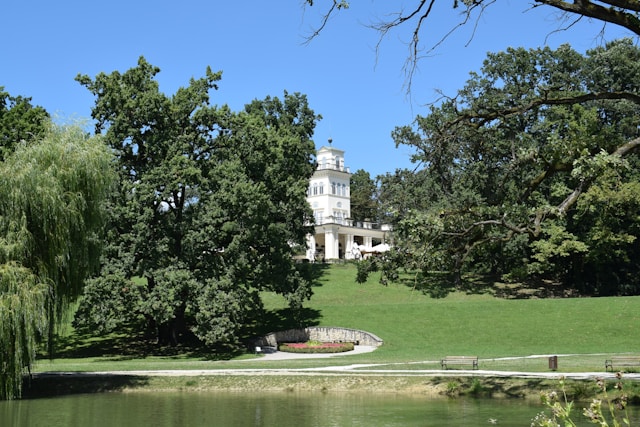
Maksimir Park is Zagreb's oldest and largest public park , providing a green oasis for relaxation and recreation. Established in the 18th century , the park is designed in the English landscape style , featuring lush gardens, wooded areas, lakes, and meandering paths. It is home to the Zagreb Zoo , which attracts families and nature lovers. The park offers various amenities including cafes, playgrounds, and picnic spots, making it a popular destination for both locals and tourists. Visitors can enjoy long walks through its scenic trails or relax by the lakes. Maksimir Park is a perfect escape from the city's busy streets, offering peace and tranquility. The park's Five Lakes are interconnected by cascading streams, creating habitats for herons and otters. A replica of a 19th-century Swiss chalet serves as a visitor center. Autumn transforms the park into a mosaic of gold and crimson foliage.
St. Mark's Church
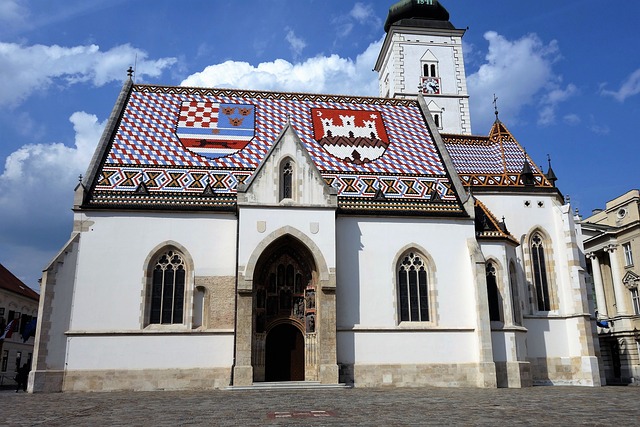
St. Mark's Church is one of Zagreb's most iconic landmarks, recognized for its colorful tiled roof that features the coats of arms of Zagreb and Croatia . Located in the heart of the Upper Town , the church dates back to the 13th century and has undergone various renovations over the centuries. Its Romanesque and Gothic architectural features make it a fascinating site for architecture enthusiasts. The interior is equally impressive, showcasing sculptures and artwork by prominent Croatian artists. The church remains active for worship but is also open to tourists who wish to admire its historical and cultural significance . It stands as a symbol of Zagreb's heritage. The roof tiles were meticulously replaced in 2008 using medieval techniques. A hidden crypt beneath the altar holds the remains of 14th-century Croatian nobles. The church bells, cast in 1506, still ring for Sunday Mass.
Zagreb Cathedral
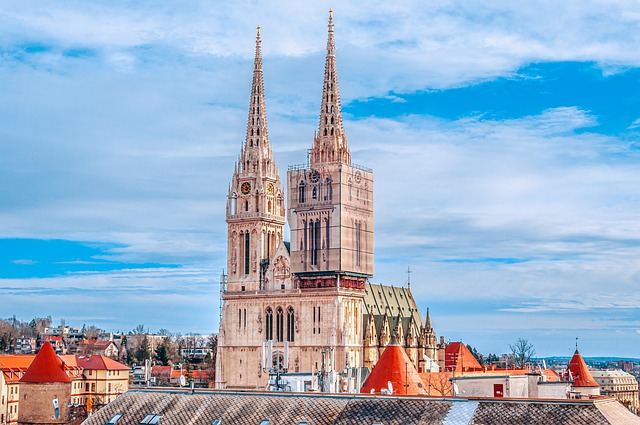
Zagreb Cathedral, officially known as the Cathedral of the Assumption of the Blessed Virgin Mary, is the tallest building in Croatia and a must-visit landmark in the city. Its twin spires dominate the skyline and represent the city's historical and spiritual heart. Built in the Gothic style , the cathedral has undergone several reconstructions, especially after earthquakes and attacks, with its current form dating back to the late 19th century . Inside, visitors are greeted with beautiful stained glass windows , intricate stone carvings , and a tranquil atmosphere perfect for reflection. The cathedral also houses a treasury with historical artifacts and religious relics. The site offers a fascinating glimpse into Zagreb's past and its enduring traditions. A restored 13th-century fresco in the sacristy depicts the coronation of Hungarian-Croatian kings. The cathedral's 108-meter spires are clad in white limestone quarried from nearby Brac Island. Evening choir performances echo through the nave, recreating medieval liturgical music.
Zrinjevac Park
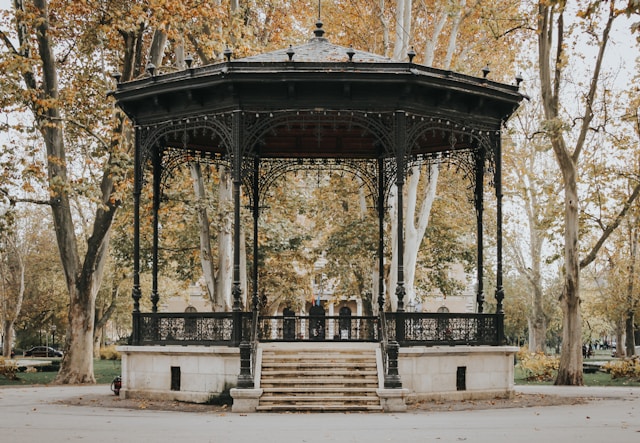
Zrinjevac Park, part of the Lenuci Horseshoe , is a beautiful green space located in the heart of Zagreb. Lined with grand buildings and majestic trees, this park offers a peaceful escape from the city's hustle. It features a central fountain , flower beds, and pathways that are perfect for a leisurely walk or a quiet moment on a bench. Throughout the year, Zrinjevac hosts various cultural events , including concerts, art exhibitions, and open-air markets. In winter, it becomes a magical Christmas market spot. The park's charm and central location make it a favorite for locals and tourists alike. The Meteorological Pillar , installed in 1884, still provides temperature and humidity readings. Summer jazz festivals feature performances under the park's century-old plane trees. The flower beds are replanted seasonally to mimic the colors of the Croatian flag.