
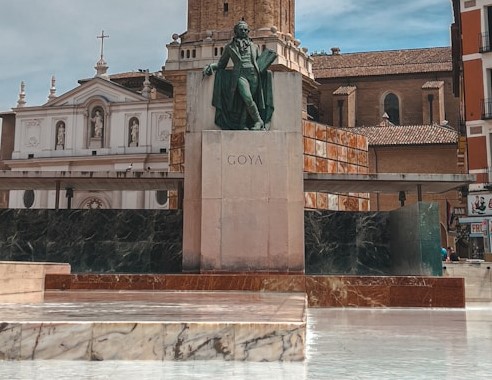
Goya Museum
In Zaragoza, Spain .
More places to visit in Zaragoza
Discover more attractions and things to do in Zaragoza.
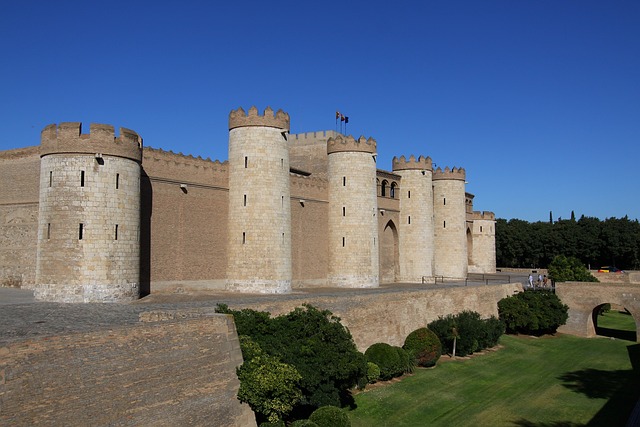
Aljaferia Palace
The Aljafería Palace is a stunning example of Islamic architecture in Spain, originally constructed in the 11th century during the era of the Taifa kings. Unlike the more famous Alhambra in Granada, the Aljafería combines a fortified exterior with an interior that showcases the intricate beauty of Moorish design. Its massive defensive walls hide a world of delicate arches, ornate stucco carvings, and serene courtyards, reflecting the artistic brilliance of Al-Andalus. After the Christian Reconquista, the palace became the residence of the Catholic Monarchs , Ferdinand and Isabella, and today it serves as the headquarters of the regional parliament of Aragón. One of its most intriguing features is the network of hidden underground tunnels , which were used for secret escapes and political intrigue. The palace's Moorish arches are adorned with geometric patterns and floral motifs, offering a glimpse into the sophisticated craftsmanship of the time.
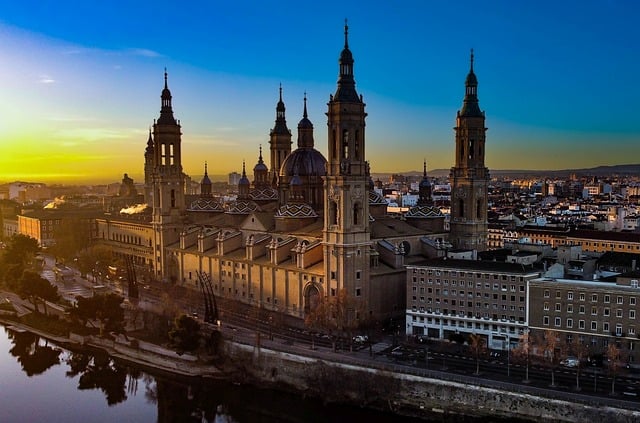
Basilica del Pilar
The Basilica del Pilar is not only the most iconic landmark in Zaragoza but also one of the most significant religious sites in Spain. Situated majestically along the banks of the Ebro River , this basilica is dedicated to the Virgin Mary, who is believed to have appeared to Saint James in 40 AD , making it a cornerstone of Christian pilgrimage. The basilica's vibrant tile-covered domes are a striking feature, visible from almost any point in the city, and its interior is equally breathtaking. Visitors can marvel at the stunning frescoes painted by Francisco de Goya , a native of the region, which adorn the ceilings and walls. A lesser-known yet fascinating detail is that during the Spanish Civil War , two bombs were dropped on the basilica—miraculously, neither exploded. Today, these unexploded bombs are displayed inside as a testament to this extraordinary event. The basilica also offers a unique opportunity to climb its tower, where visitors are rewarded with a panoramic view of Zaragoza, including the Ebro River and the city's historic skyline.
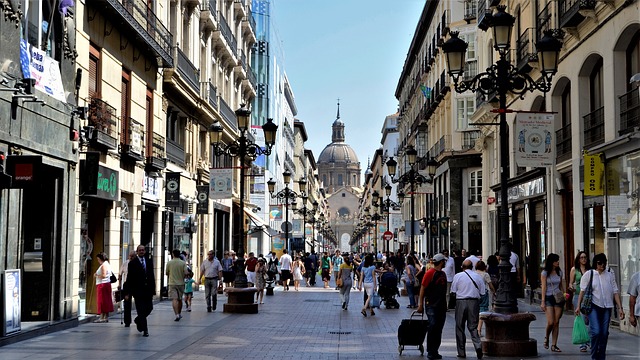
Calle Alfonso I
Calle Alfonso I , Zaragoza's premier pedestrian street, is a blend of history, shopping, and urban charm. While it's known for its 19th-century facades and trendy boutiques, the street has some hidden stories. For example, the Café Levante , one of the oldest cafés on the street, was a meeting place for intellectuals and artists during the early 20th century, including Ramón y Cajal , Spain's Nobel Prize-winning scientist. The street was designed as part of a grand urban reform in the late 1800s, inspired by the wide boulevards of Paris, and its layout was intended to modernize the city. A little-known fact is that beneath the street lies a network of underground tunnels , originally used for utilities but now sealed off. The street is also home to El Corte Inglés , Spain's largest department store.
El Tubo
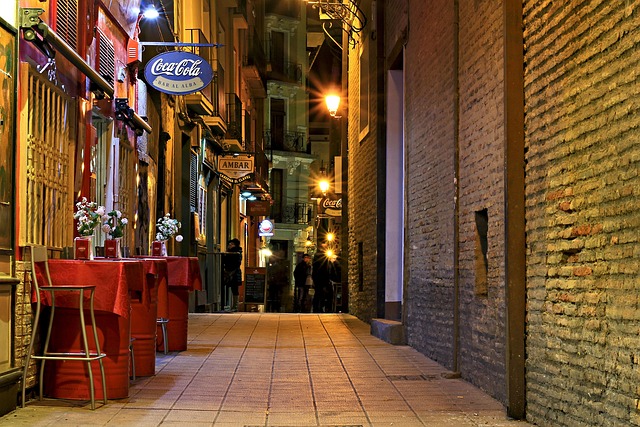
El Tubo , Zaragoza's legendary tapas district , is a maze of narrow, winding streets that come alive with the aromas of traditional Aragonese cuisine. While many visitors flock here for classics like Miguelitos de Calamari (fried squid sandwiches) and Ternasco de Aragón (roast lamb), the area hides some culinary secrets. For example, one of the oldest bars in El Tubo, Casa Lac , has been serving tapas since 1825 and is famous for its anchovies in vinegar , a recipe that has remained unchanged for nearly two centuries. Another hidden gem is Bar Clandestino , a speakeasy-style bar tucked away in a basement, where you can enjoy creative tapas paired with locally brewed craft beers. The name “El Tubo” comes from the tube-like alleys that characterize the area, creating an intimate and lively atmosphere.
Expo 2008 Site
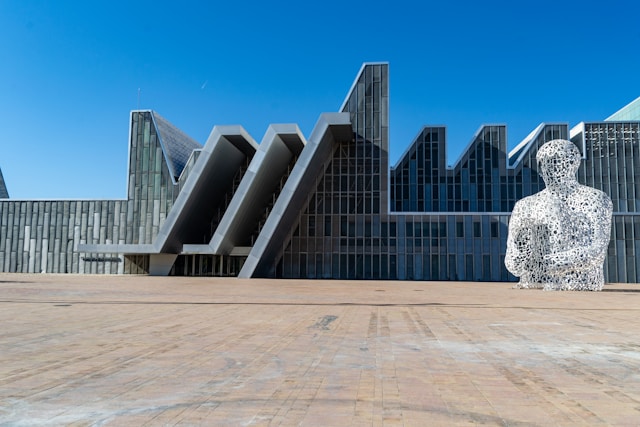
The Expo 2008 Site , located along the Ebro River , is a testament to Zaragoza's modern architectural innovation. While the Water Tower and the Pavilion Bridge , designed by Zaha Hadid, are the most recognizable structures, the site holds many lesser-known surprises. For instance, the Aquarium of Zaragoza , the largest freshwater aquarium in Europe, features ecosystems from some of the world's most famous rivers, including the Nile and the Amazon. A fascinating detail is that the aquarium's design incorporates sustainable practices , such as rainwater harvesting and energy-efficient lighting. The Pavilion Bridge , a marvel of modern engineering, is one of the few bridges in the world that functions as both a pedestrian walkway and an exhibition space.
La Seo Cathedral
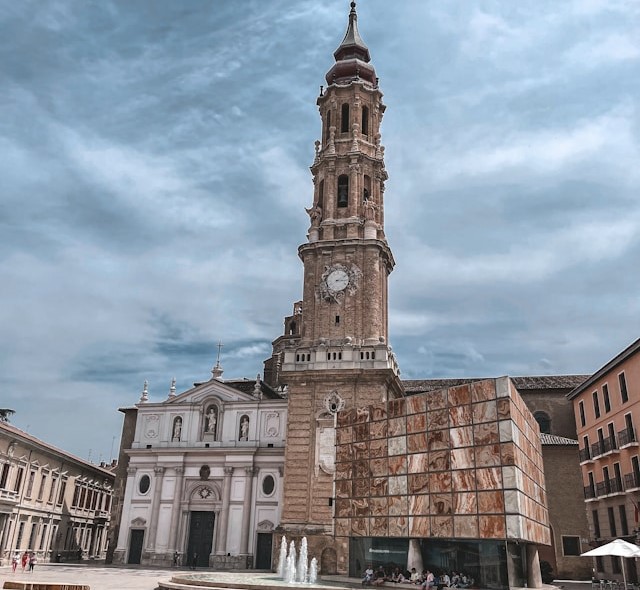
The La Seo Cathedral is a masterpiece of architectural diversity, blending Gothic, Mudejar, Renaissance, and Baroque styles. Located in Plaza de la Seo , this cathedral stands on the site of an ancient Roman temple, which later became a mosque before being transformed into a Christian church. Its Mudejar tower , adorned with intricate ceramic tiles, is a standout feature, showcasing the influence of Islamic art in medieval Spain. Inside, visitors can explore the Tapestry Museum , home to one of Europe's finest collections of medieval tapestries. A lesser-known fact is that the crypt beneath the main altar houses the tomb of Antipope Benedict XIII , also known as Pope Luna, whose controversial legacy adds a layer of intrigue to the cathedral's history. La Seo is not just a place of worship but a living testament to Zaragoza's rich cultural and religious heritage.
Parque Grande José Antonio Labordeta
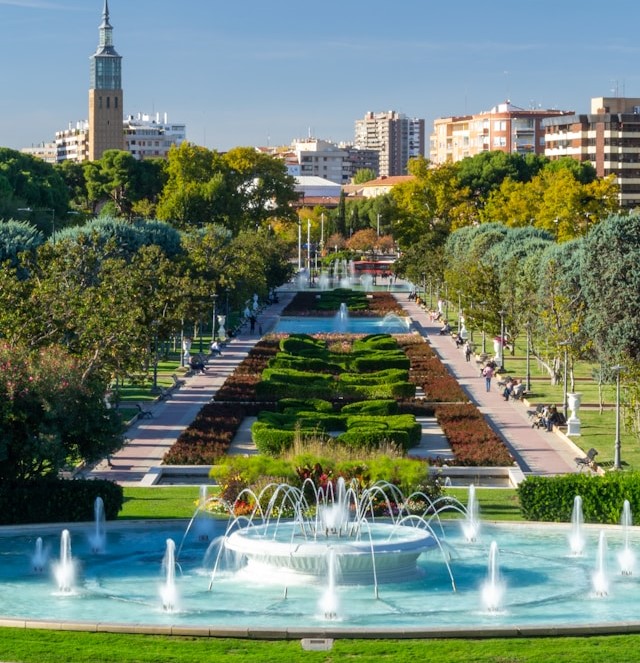
The Parque Grande José Antonio Labordeta is Zaragoza's largest and most beloved park, often compared to Madrid's Retiro Park for its beauty and cultural significance. Spanning over 40 hectares , this green oasis is filled with fountains, gardens, and sculptures , offering a peaceful retreat from the city's hustle and bustle. One of its highlights is the monument to King Alfonso I , which provides panoramic views of Zaragoza. Beneath the park lies an old military bunker from the Spanish Civil War , a hidden relic of the city's past. The park also features a charming botanical garden , perfect for nature enthusiasts.
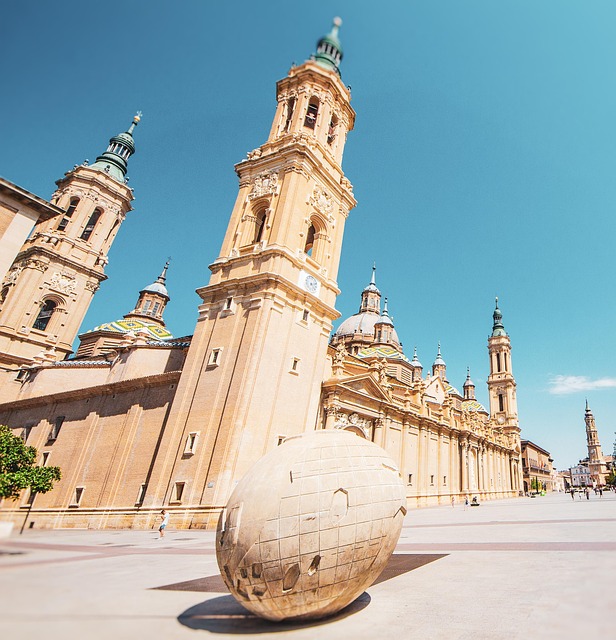
Plaza del Pilar
Plaza del Pilar is the vibrant heart of Zaragoza and one of the largest squares in Europe. Surrounded by iconic landmarks like the Basilica del Pilar , La Seo Cathedral , and the Fuente de la Hispanidad , this square is a hub of activity and history. The Fuente de la Hispanidad , shaped like South America, is a unique centerpiece. The plaza is also marked by a small metal plaque indicating where Pope John Paul II stood during his 1982 visit. By night, the square is beautifully illuminated, creating a magical atmosphere. Whether you're attending a festival, enjoying street performances, or simply soaking in the views, Plaza del Pilar is a must-visit. The square's open space and monumental architecture make it a perfect spot for photography and relaxation.
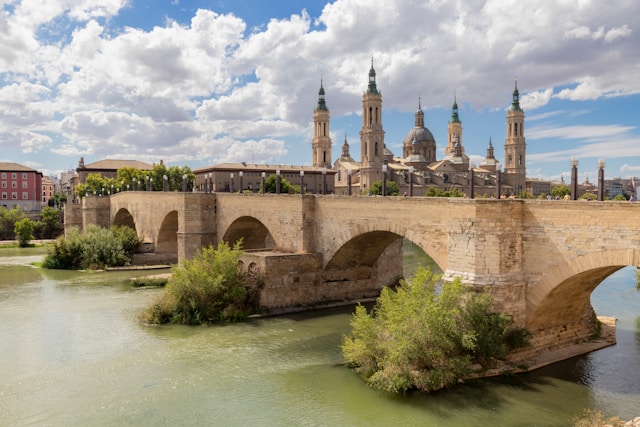
Puente de Piedra
The Puente de Piedra , or Stone Bridge , is Zaragoza's oldest bridge, dating back to the 15th century . Spanning the Ebro River , it connects the city center with the historic Basilica del Pilar , offering some of the best views of the basilica, especially at sunset. This bridge has withstood the test of time, surviving numerous floods and wars, including damage during the Napoleonic invasion . A unique feature of the bridge is the colony of otters that inhabit the riverbanks, a surprising sight in the heart of the city. The bridge is also adorned with four lion statues , added in 1991 as a tribute to Zaragoza's emblem. Locals believe that touching one of these lions before an important event brings good luck.