
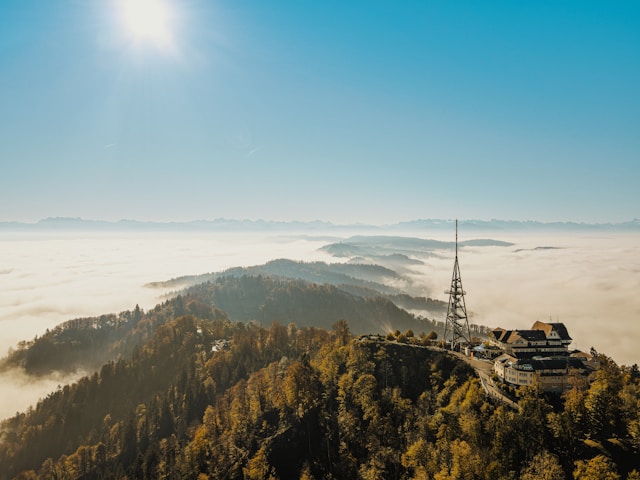
Uetliberg Mountain
In Zürich, Switzerland .
More places to visit in Zürich
Discover more attractions and things to do in Zürich.
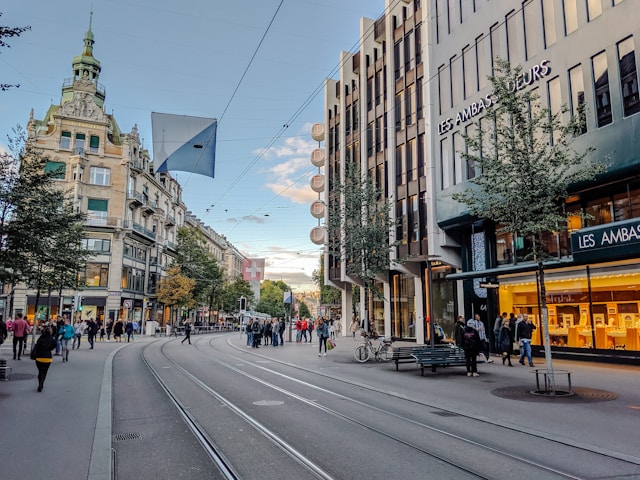
Bahnhofstrasse
Bahnhofstrasse runs from the main station toward the lake and is often described as the polished face of Zurich . Here trams slide past wide pavements lined with department stores, banks and flagship boutiques , while shoppers move between bright windows in an easy, steady flow. Behind the glass you see Swiss watch shops , fashion houses and delicatessens displaying neat rows of pralines and other treats. Side streets lead quickly back to quieter lanes and small squares, so it is easy to mix luxury browsing with more local corners. In December, lights and decorations turn the street into a glowing corridor, while in summer trees provide welcome shade. Even if you are not in the mood to buy, this is a useful spine for orienting yourself in the city centre. Watch how office workers, visitors and residents share the same space, turning this elegant retail avenue into a constantly moving urban stage .
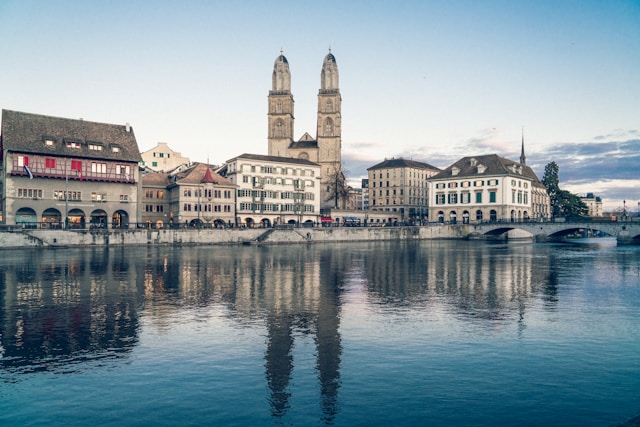
Grossmunster Church
With its two towers rising above the river, Grossmunster anchors the classic skyline of Zurich . The exterior is solid and almost austere, reflecting its role in the Reformation, while inside a Romanesque interior and modern stained glass windows create an unexpectedly harmonious contrast. Climbing the narrow staircase to the viewing platform is a small adventure, rewarded at the top by a wide city panorama of roofs, spires, bridges and the distant lake. From here you understand how compact the centre is and how closely the river ties neighbourhoods together. Back at ground level, you can sit on nearby steps and watch boats move along the water, or cross the bridge for a different angle on the twin towers . Visiting early in the day or late afternoon helps you avoid larger tour groups. This landmark neatly combines architecture, history and riverfront skyline views in a single, memorable stop in the heart of the Swiss city .
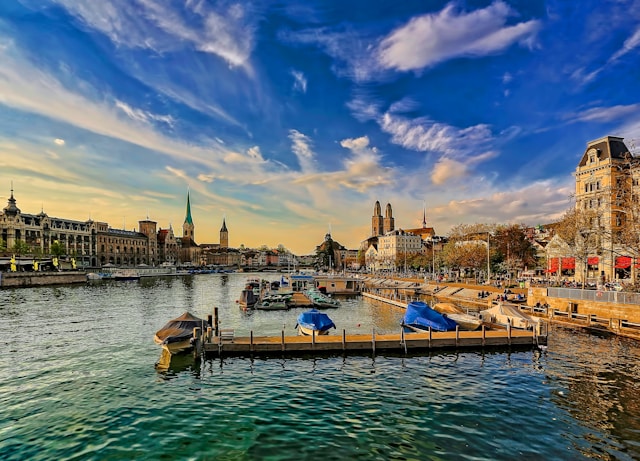
Lake Zurich Promenade
Along the curve of the water, the Lake Zurich Promenade shows Zurich at its most relaxed. Locals jog past families with strollers, cyclists ring bells gently and couples sit on low walls with their feet almost touching the lake. Trees, lawns and flower beds soften the edges of the waterfront walk , while ferries, yachts and paddle steamers keep the surface quietly lively. On clear days the distant Alpine horizon frames the skyline, reminding you how close mountains sit to the financial district. Kiosks, ice cream stands and simple lakeside cafes give you excuses to pause and watch people rather than sights. Benches fill quickly around sunset light , when the surface of the lake reflects pastel colours and city lights begin to glow. Whether you follow the path toward parks and bathing areas or simply wander without a plan, this waterside strip is ideal for absorbing the gentle rhythm of everyday life in this lakeside city .
Lindenhof Hill
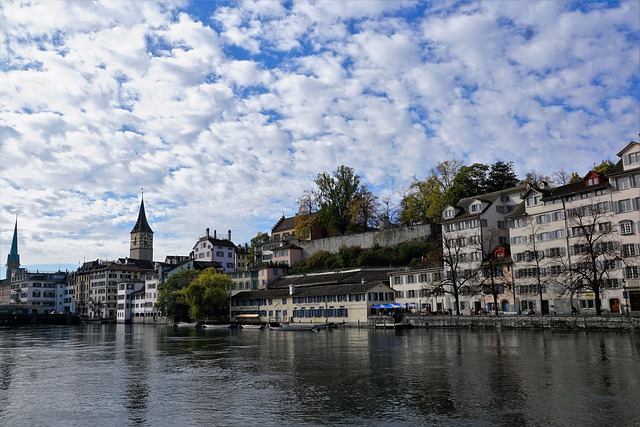
Lindenhof Hill is a small green terrace above the river that offers one of the most quietly satisfying viewpoints in Zurich . Shaded by mature trees, it feels like a neighbourhood park, yet from its edge you look down on the Old Town rooftops , bridges and the slow curve of the Limmat. Chess boards, benches and low walls encourage visitors to linger, talk or simply watch the cityscape change as trams, boats and pedestrians move below. In summer it is a favourite spot for locals taking lunch breaks; in the evening couples and small groups gather as the light softens. The climb up from nearby streets is short but a little steep, rewarding you quickly with this calm, upper level perspective. It is especially attractive for photographers who like framing towers, water and distant hills between branches. Lindenhof connects easily with surrounding alleys, making it a natural pause during a wider loop through the historic heart of this Swiss city .
Rietberg Museum and Park
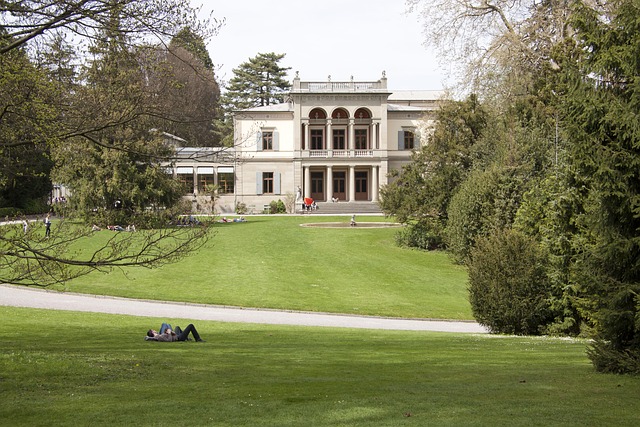
Set in a leafy park above the lake, Rietberg Museum showcases art from Asia, Africa, Oceania and the Americas, offering a global perspective within Zurich . Historic villas and a partially buried modern extension house collections of masks, sculptures, textiles and ritual objects displayed with thoughtful explanations. The architecture and landscaping together create a sense of quiet contemplation , especially in the glass covered entrance area where outside greenery is always visible. After exploring the galleries, many visitors take time to wander through the surrounding museum park , where paths wind between trees, lawns and viewpoints overlooking the city. It feels both cultured and informal, a place where you can move easily between dense visual impressions and simple outdoor space. The mix of permanent and temporary exhibitions rewards repeat visits while remaining accessible for first timers. For those interested in world cultures and how they are presented, this institution offers one of the richest cross cultural experiences in the Swiss city .
Seebad Enge Lakeside Bath
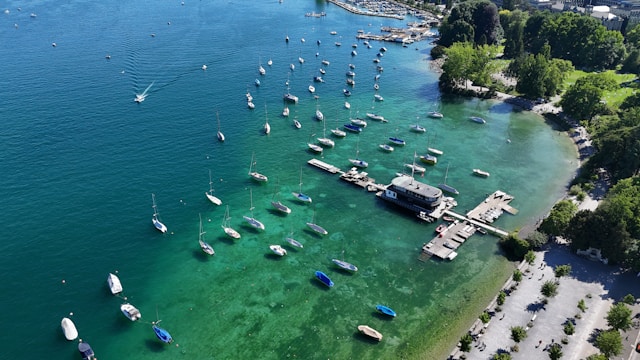
Seebad Enge sits on wooden pontoons extending into the lake, turning a section of shoreline in Zurich into a floating lakeside bath . In warm months, locals arrive with towels and bags, ready to swim in clear water with direct city skyline and mountain views. Separate zones for men, women and mixed bathing provide privacy options, while sun decks and platforms offer space to stretch out, read or simply watch the play of light on the surface. A small sauna and cosy cafe add to the feeling of an urban retreat , especially in cooler seasons when steam rises above the water. The mood is relaxed but respectful, with a mix of students, professionals and families. It is an easy way to experience everyday life beyond museums and shopping streets. After a swim, you can follow the promenade toward parks or back to the centre, feeling pleasantly refreshed and briefly part of this lakeside Swiss city .
Swiss National Museum
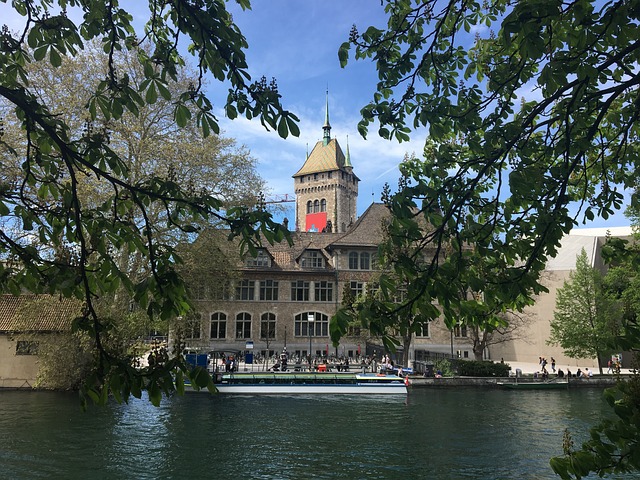
Next to the main station, the Swiss National Museum brings together history, design and storytelling under one dramatic roofline in Zurich . Its mix of castle like older sections and sharp modern extensions mirrors the country's combination of tradition and innovation. Inside, themed galleries explore Swiss cultural history from early settlements to contemporary life, using objects, models and multimedia to keep even complex topics accessible. You might move from medieval armour to regional costumes, from folk art to industrial design, often with well crafted explanations in several languages. Temporary exhibitions add further layers, focusing on specific themes or artists. The museum is large but thoughtfully organised, so you can choose a short highlight route or stay for several hours. A courtyard and riverside promenade outside provide breathing space between sections. For travellers who want context behind mountains, cities and lakes, this institution offers one of the richest introductions to the country within a single museum visit .
Zurich Botanical Garden
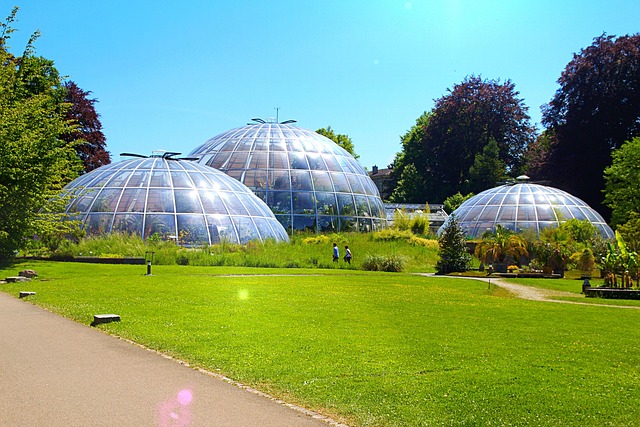
Zurich Botanical Garden, run by the local university, provides a compact but varied green space just outside the core of Zurich . Curving paths lead past beds of alpine plants, herb gardens and stands of unusual trees from around the world, each labelled clearly for curious visitors. Three domed glasshouses create a distinctive skyline and shelter tropical and subtropical species, where humidity, scent and dense foliage build a different kind of plant world . Outside, lawns and benches encourage slow wandering or quiet reading sessions. Birds, insects and gentle water features add a soft soundscape that contrasts with city noise. Seasonal changes keep the garden interesting year round, from spring blossoms to winter silhouettes. Entry is generally free, making this an easy, low pressure stop to combine with nearby neighbourhood walks. For travellers who appreciate urban nature and moments of calm between museums and shopping streets, this garden is a very welcome green refuge within a busy Swiss city .
Zurich Old Town Altstadt
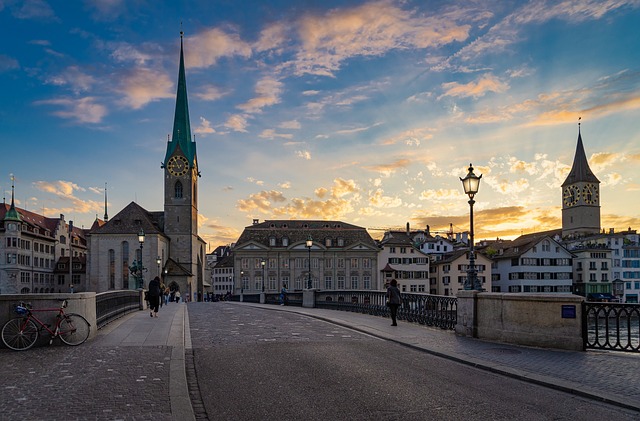
In the historic core of Zurich , the Old Town unfolds as a compact maze of medieval Old Town streets, pastel facades and church towers clustered above the river. As you wander uphill and down, the sound of footsteps on cobbled lanes mixes with quiet conversations from cafe terraces. Small boutiques, antique shops and bookstores fill crooked houses, while stairways reveal sudden Limmat River views between rooftops. You can pause in hidden squares shaded by trees, or duck through archways into hidden courtyards that feel far from traffic. In the evening, warm light from windows and lanterns gives the streets a soft, theatrical mood. It is worth returning at different times of day to see how delivery vans, office workers, students and visitors share the same tight network of alleys. This is the easiest place to sense how commerce, history and everyday life have coexisted for centuries in the largest Swiss city .